WAITE PARK — St. Cloud Area School District 742 has released its 2026–2029 Achievement and Integration Plan, a three‑year roadmap to close academic gaps and increase racial and economic integration. The plan focuses on students who identify as Black (non‑English learner), Hispanic, American Indian, and two or more races, and strengthens collaboration among schools, families, and community partners.
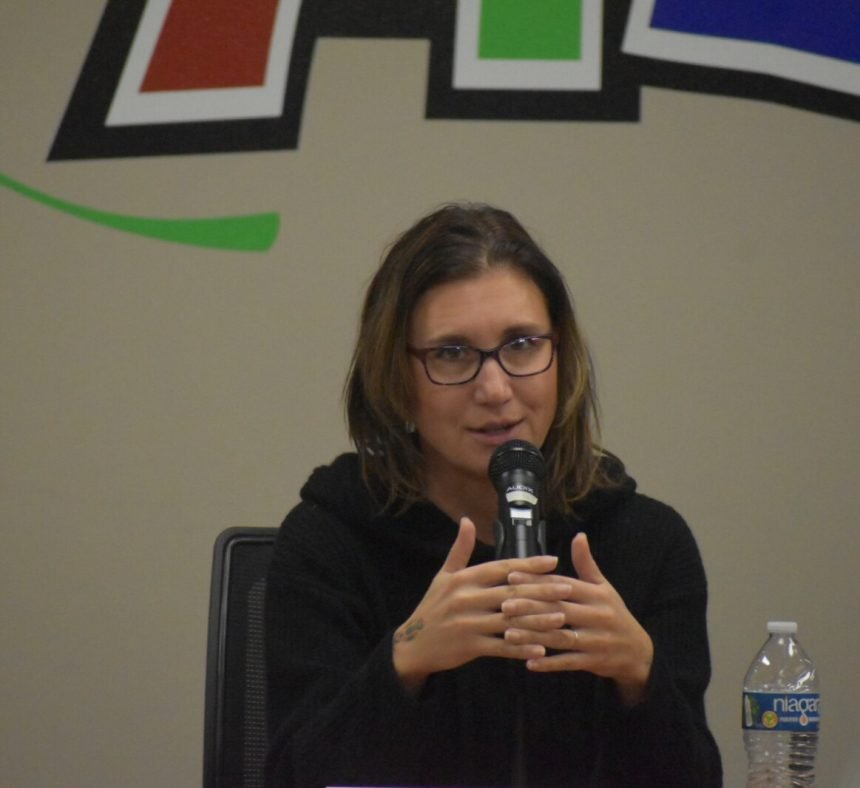
District 742 Equity Services Director Ayan Omar walked the school board through the new plan during its Wednesday, Feb. 18, meeting
“This plan is about making sure every student — no matter their background — has a clear, supported path to graduation and beyond,” Omar said.
Goal 1: graduation
The district aims to increase graduation rates for students who identify as Black, Hispanic, American Indian or as two or more races to at least 85% by 2029.
In 2024, District 742’s overall graduation rate was 66.1%, with 537 students receiving diplomas, according to
Minnesota Department of Education data.
According to
the 2024 graduation rates for the identified groups were:
- Black: 65.4%
- Hispanic: 43.8%
- American Indian: 11.1%
- Two or more races: 56.6%
Contributed / District 742
To improve the graduation rates, Omar said the district will:
- Implement a district-wide Language Access Plan to ensure families receive instruction- and school-related communication in their home language, improving engagement and support for students and caregivers.
- Expand in‑day credit recovery options so students can make up credits during the school day, reducing barriers like after‑school transportation and work/family responsibilities.
- Leverage Adult Educational Equity Outreach Coordinators at the secondary level to:
- Monitor student progress and intervene early
- Connect students and families with academic and community supports
- Collaborate with United Way and other partners to address non‑academic barriers.
- Strengthen family–school partnerships through Family Access and Community Liaisons including:
- College and career pathway field trips (e.g., manufacturing tours)
- Family events that build understanding of graduation requirements and post-secondary options.
- Use BAR (Building Assets, Reducing Risks) at the secondary level to:
- Identify at‑risk students earlier
- Provide targeted mentoring and relationship‑based supports
- Coordinate wraparound interventions that keep students on track to graduate.
Goal 2: proficiency and early literacy
District 742 wants to Increase 3rd grade MCA reading proficiency rates for its Black (non-English Learner), American Indian, Hispanic and two or more races to 50% by 2029.
- 43% of students identified as Black or African American
- 12.1% of students identified as Hispanic or Latino
- 1.1% of students identified as Native American
- 7.2% of students identified as two or more races
To meet this goal, the plan outlines that the district will:
- Strengthen early childhood partnerships with ECFE and preschool to support school readiness and early language/literacy skills.
- Focus on key transition years (PreK → K and 5th → 6th) with intentional supports for students and families.
- Use Educational Outreach Coordinators and family advocates at elementary to:
- Monitor data and flag students off track in reading
- Connect families with school and community literacy supports.
- Expand caregiver/family literacy activities (family groups, home literacy strategies, resources in home languages) to build reading habits at home.
- Align interventions and instruction with district strategic and achievement plans so targeted reading supports reach
Goal 3: integration
Omar said the district aims to increase the representation of students of color in dual enrollment courses (AP, PSEO, college-in-schools) from 11% to 25% by 2029.
To do this, the district will:
- Identify and recruit students of color early (using middle‑level data and staff recommendations).
- Use the middle‑level Family Advocate to explain dual enrollment options and benefits to students and families.
- Provide mentoring and leadership opportunities so students of color feel prepared for advanced coursework.
- Use BAR and other supports to keep students on track academically for dual enrollment.
Goal 4: diverse teacher workforce
Increasing the racial diversity of teachers is also one of the goals. The district wants to increase workforce from 8.5% to 9.5% by May 2029.
- The district plans to meet this goal by:
- Recruiting broadly and intentionally through university partnerships, alternative licensure, and affinity job fairs to attract teachers of color.
- Build grow‑your‑own pipelines (e.g., paras, community members, and high school students moving into teaching roles).
- Retain through support and belonging with strong mentoring, leadership opportunities, and affinity spaces for BIPOC staff.
- The board received its annual updates on the district’s early childhood programs. For the 2025-26 academic year, there are 767 students enrolled in preschool. According to the district, 460 students are attending the PK4 program, which runs four days a week.
- District staff highlighted the work of the district’s
American Indian Education Program,
which
who identify as American Indian/Native American, Native American or Native Hawaiian. During the 2025-26 academic year, the district had 234 students who identified among these groups, with 109 at the elementary level and 125 at the secondary level. Talahi, Lincoln and Madison elementary schools have the highest number of students, so the district hosts weekly lunch groups where they play Ojibwe language games and do other cultural activities. School board members learned the words for the four seasons during the presentation.
- The district’s Native American Parent Advisory Council, a committee of parents that reviews the work of the American Indian Education Program and provides recommendations, voted that St. Cloud Area Schools is not in compliance with state mandates. Treasurer Ian Chinander said the district is not providing enough information to the council, such as test scores, and the program needs at least three, not the current two, to better serve students. Superintendent Laurie Putnam thanked the council members for presenting and said their “suggestions will be considered in full.”
The board next will meet at 6:30 p.m. on Wednesday, March 11, at the
District Administration Office, 1201 S. Second St., Waite Park.