



Episode 4 – The Composting Hospital
How does composting impact human health? Well, it cuts methane emissions — a greenhouse gas — from landfills. And it improves soil health, which improves the health of the food we grow in that soil. Composting also saves water, because using compost in agriculture helps the soil retain more water, meaning farmers use less water to keep their plants growing.
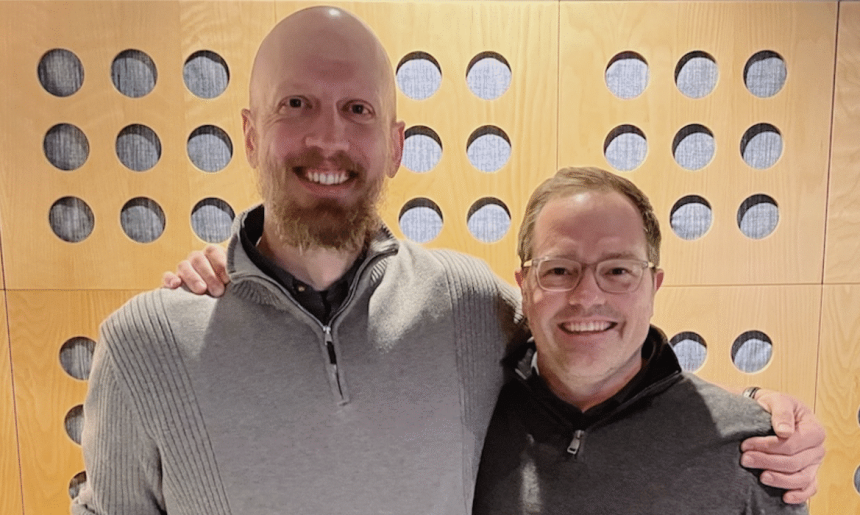
Chicago is increasing access to composting through the city’s Food Scrap Drop-Off Program, where you can drop off food at certain local libraries. Since its launch in October 2023, nearly 8,000 households have diverted more than 1 million pounds of food waste from landfills. And at Rush University Medical Center on Chicago’s West Side, Ian Hughes, director of environmental sustainability, kicked off the medical center’s own composting program.
Guest:
- Ian Hughes, director of environmental sustainability at Rush University Medical Center

Related reading:
Chicago’s new food scrap drop-off locations:
- Avalon Branch – 8148 S. Stony Island Ave.
- Dunning Branch – 7455 W. Cornelia Ave.
- Edgebrook Branch – 5331 W. Devon Ave.
- Hegewisch Branch – 3048 E. 130th St.
- Lincoln Belmont Branch – 1659 W. Melrose St.
- Portage-Cragin Branch – 5108 W. Belmont Ave.
- Scottsdale Branch – 4101 W. 79th St.
- Sherman Park Branch – 5440 S. Racine Ave.
- Toman Branch – 2708 S. Pulaski Rd.
- Uptown Branch – 929 W. Buena Ave.
- Vodak-East Branch – 3710 E. 106th St.
- West Chicago Avenue Branch – 4856 W. Chicago Ave.
- Woodson Regional Library – 9525 S. Halsted St.
Production support from Wolf Point Media | Intro and outro music by Dan Leu
Transcript
Coming soon.