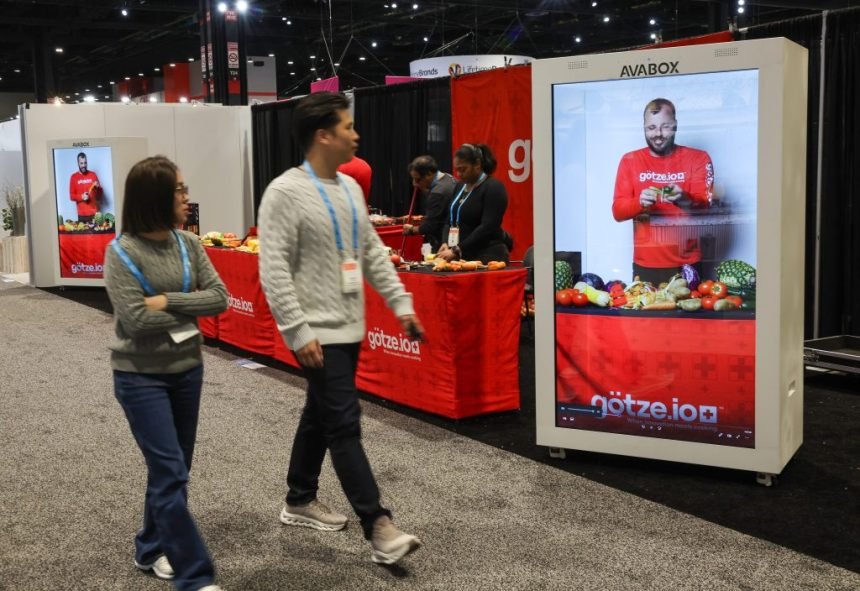
A return to at-home entertaining is fueling a resurgence in the home and housewares industry, with an increasing demand for convenience and human connection among younger consumers serving up much of the momentum.
In a new survey from the Rosemont-based International Housewares Association looking at the at-home entertaining landscape, 47% of Gen Z and 39% of millennial consumers said they planned to host more at-home gatherings in 2026. Across all generations, 28% of respondents anticipated an increase in hosting. A desire to spend more time with friends and family, celebrate occasions and save money in a tightening economy drove the uptick.
As Gen Z and their millennial counterparts break out the serving platter, they are notably breaking away from table traditions. The uniformity that defined fine dinnerware for generations is fading, along with the stuffy, elaborate affairs of the past. Instead, younger hosts are choosing curated items brimming with whimsy and personality to create an authentic, relaxed backdrop for social gatherings.
Consumers also are no longer looking for the right moment or a special occasion to bring together friends or loved ones for the festivities. Whether it’s an impromptu pop-over, a backyard cookout or a game night, every day represents a prime opportunity to reconnect.
“People are inviting people into their homes all over again,” explained Peter Giannetti, vice president of editorial for the International Housewares Association and editor-in-chief of HomePage News, the digital publication behind the nonprofit trade organization. “They’re redoing their homes. They are spending more money on products that represent an expression of the people (living) in the home. They want their products, their dinner parties to reflect their own style.”
The social renaissance seems especially true for Gen Z, a generation that experienced extended periods of isolation during their formative years due to the pandemic. This generation is now entering adulthood and newfound independence for the first time.
“What is traditional to one generation is novel to another,” added Giannetti. “(At-home entertaining) is not necessarily old-fashioned to them — it’s new and exciting.”
Giannetti said stay-at-home measures renewed an appetite for transforming the home into a haven once again. Driven by the rise of social media and a surge of e-commerce stores, the shift has bolstered consumers’ access to home inspiration and shopping options. At the same time, new technologies ushered in a new wave of home conveniences.
But unlike in years past, people aren’t buying housewares to stow away in an old oak hutch and collect dust. They’re buying and replacing housewares as an extension of their personal aesthetic — while seeking convenience and connection.
“You’re coming to see me for connection” said Jane Clauss, a spokesperson for The Inspired Home Show, a large housewares show held at McCormick Place earlier this month. “When you come into my house, you’re seeing real life. There might be dishes in the sink. You can’t be matchy-matchy. We’re seeing whimsical pots, plates with a lot of great color, fluted glasses that look like blooming flowers … What we’re putting on the table is whatever makes you feel the most authentic.”
Roughly half of consumers said they occasionally purchase products to create a certain aesthetic, according to the survey by the housewares association. That doesn’t mean that nostalgia isn’t playing a factor in consumers’ purchasing habits, however.
Younger shoppers are returning to bricks-and-mortar stores, much like they are embracing vinyl records: for the experience.
“Everybody has a connection to housewares,” Clauss added. “If you ask anybody, any age, what is the one thing they remember, they will always have a memory of a family member, a neighbor or a friend. There’s love for the past, but now we’re seeing (that paired) with a lot of personality.”

The Inspired Home Show
While The Inspired Home Show isn’t open to the public, the annual gathering connects more than 2,000 global brands with top retailers such as Amazon, TJ Maxx and Wayfair to preview the emerging products and trends slated for shelves in the upcoming season. The International Housewares Association hosts the event, and released its At-Home Entertaining survey ahead of the show.
Largely considered the “Superbowl” for the housewares industry, The Inspired Home Show is the largest show in North America. Collectively, the group attendees represent more than $70 billion in market value, according to Gianetti. It includes manufacturers, suppliers, brands and retail buyers across roughly 15 home and housewares categories including cookware and dinnerware, small kitchen appliances, home storage, cleaning and organization.
In an industry marked by pandemic realignment and chaotic tariff policies, the increase in at-home entertaining is welcome news. Last year, the International Housewares Association reported that 87% of its members reported significant impacts by tariff policies. This month, the association announced that it is “helping members engage with U.S. Congress to demand refunds of unlawfully collected global tariffs.”
On the show floor, attendees whispered about the ongoing economic and geopolitical turmoil, but much of the focus remained on the industry’s bright spots.
Personal tastes and preferences are changing. For example, older homeowners are downsizing while the younger generations continue to rent or live longer in smaller spaces. Both groups are seeking space-saving, multipurpose appliances and cookware. Other homeowners are looking to reduce spending on dining out in favor of home-based hobbies such as cooking or crafting. Hobby kits, such as “Paint and Sip” sets and puzzles, are making a comeback as more and more people opt to stay in with family and friends.

During a keynote address to retailers on how consumers perceive value in today’s marketplace, Tom Mirabile, a founder and trend analyst at Springboard Futures, shared insights into generational spending.
While millennials and Gen X currently wield the most spending power, making up roughly 60% to 70% of home and housewares category dollars, baby boomers remain the industry’s highest-value purchasers. And despite the wealth held by all the older consumers combined, it’s Gen Z’s influence that ultimately drives most of the trends landing onto today’s store shelves.
Shopping habits are shaped by life stages, Mirabile explained: Gen Z sees the home as a “personal canvas for creativity” and is heavily influenced by social media. Millennials look for flexibility to balance work and family, while Gen X seeks simplicity as they juggle dual caretaking responsibilities in the “sandwich generation.” Boomers, meanwhile, seek comfort and enjoyment in their lives as they strive to age in place, according to Mirabile.
“Housewares in general is one of the most economically resilient industries,” Giannetti said. “We still eat, we still clean, we still drink. There is the natural replacement cycle that drives business, and very rarely does it fall below the growth curve. The tariffs were a challenge … but (brands) and consumers have bounced back a bit. We’re now on the upline.”
Tech in a cooling period
During the first wave of smart home products, trade shows buzzed with gadgets and innovations connected to the Internet of Things. The first robot vacuum. A smart watch. A coffee maker with built-in Wi-Fi.
Today, Gianetti said it’s no longer enough for home and housewares brands to boast smart tech capabilities alone — consumers want to ensure the products they buy benefit their lives. That’s not an industry hot take, he added; as technology permeates every corner of our lives, consumers increasingly expect technology to function seamlessly behind the scenes. If it doesn’t help save time, allow them to multitask or increase their enjoyment, they don’t want it.

On the business side, the advances in AI, such as AI agents being developed to guide online purchases or generating content to support the buyer’s journey, remain top of mind.
Giannetti explains the goal is to balance ongoing consumer skepticism with technology that produces high levels of customer satisfaction.
The same story goes for any products enabled by AI.
“The application of any intelligence of a product cannot come at the expense of a product performing well,” Giannetti said. “At the end of the day, a coffee maker is going to be judged on how well it makes coffee.”
Connection is the new ‘occasion’
Even in an era of uncertainty, people continue to reach for milestones, chase personal wellness and discover fulfilling meaning in their lives. Many of the products on the show floor reflected popular lifestyle trends, like bold color palettes, portion-control cookware to support GLP-1 treatment plans, and nearly everything and anything for beloved pets.
And while consumers still enjoy luxury, rows of displays showcased less formal options to accessorize homes than in years past. While personal tastes may have changed, Giannetti and Clauss are adamant that people still want to fill their homes with good, quality items that reflect their life story, while making space for new memories to flourish.
“Connection is the new occasion,” Clauss said. “I want to inspire people to live creatively in their homes. Everything and everybody has a story. I think it’s a beautiful thing.”
Beecher is a freelance writer.