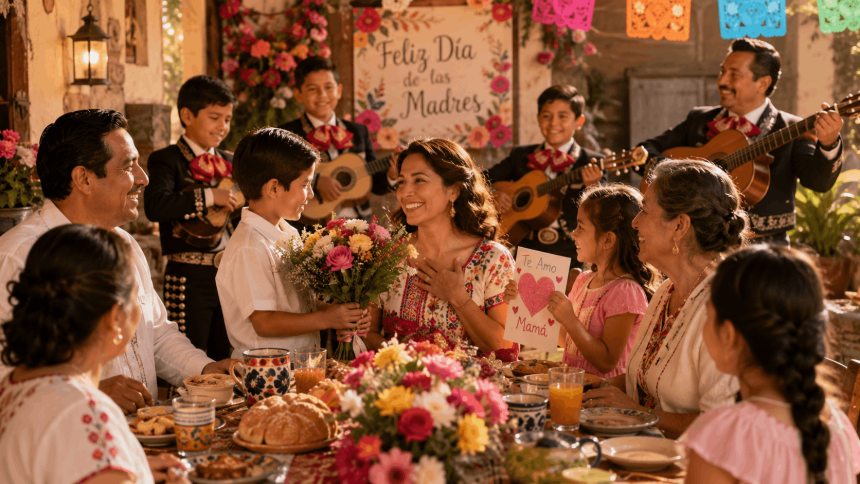


In Mexico, Día de las Madres is not a commercial holiday—it’s an emotional, deeply rooted cultural tradition. Celebrated every year on May 10, this day brings families together in a powerful expression of gratitude, love, and respect for mothers.
Unlike many countries where Mother’s Day shifts dates, Mexico keeps it fixed. That consistency has turned it into one of the most anticipated and heartfelt celebrations nationwide. From sunrise serenades to large family feasts, the day reflects something deeper than tradition—it reflects identity, family values, and emotional connection.
What Is Día de las Madres?
Día de las Madres is Mexico’s official Mother’s Day, celebrated annually on May 10 regardless of the day of the week.
It began in the early 20th century and quickly became a national tradition. Over time, it evolved into a cultural cornerstone where honoring mothers is not optional—it’s expected.
Key characteristics:
- Fixed date (May 10)
- Nationwide participation
- Strong emotional and family focus
- Blend of private and public celebrations
The Emotional Core of the Celebration
This day stands out because of its emotional intensity. It’s common to see:
- Tears of appreciation
- Multi-generational family gatherings
- Public expressions of gratitude
In Mexican culture, mothers are often viewed as the emotional and moral center of the family. So, this day becomes a moment to publicly recognize that role.
The Tradition of Morning Serenades
One of the most iconic elements of Día de las Madres is the early morning serenade.
Families wake up at dawn to sing:
This song is deeply symbolic. It’s traditionally used for birthdays, but on this day, it becomes a tribute to mothers.
In many cases:
- Children sing at home
- Musicians (mariachi bands) are hired
- Schools organize performances
The message is simple but powerful: start the day by honoring mom first.
Family Gatherings and Traditional Meals
Food plays a central role in the celebration.
Families gather for:
- Breakfasts prepared by children or spouses
- Large lunches or dinners at home or restaurants
Common foods include:
- Tamales
- Mole
- Pozole
Restaurants across Mexico often experience one of their busiest days of the year.
Gifts That Matter More Than Money
Unlike highly commercialized holidays, this day focuses on meaningful gestures.
Popular gifts include:
- Flowers (especially roses)
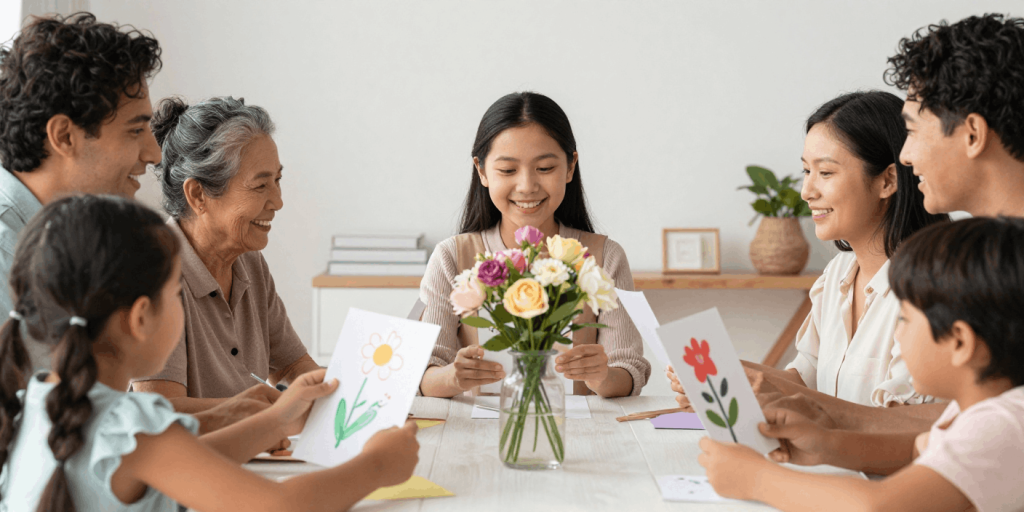
- Handwritten letters
- Handmade crafts from children
- Simple jewelry or clothing
The emphasis is not on price—but on emotional value.
Public Celebrations and Community Events
Many towns and cities organize events such as:
- School performances
- Community concerts
- Public recognition of local mothers
In some areas, local governments host ceremonies honoring:
- Elderly mothers
- Single mothers
- Community leaders
These events reinforce the cultural importance of motherhood beyond the family unit.
How Businesses and Schools Participate
Día de las Madres is also significant for institutions.
Schools:
- Organize performances days before May 10
- Children prepare dances, songs, and speeches
Businesses:
- Offer promotions and special menus
- Create emotional marketing campaigns
However, unlike Western markets, aggressive commercialization is less dominant. Emotional storytelling works better than discounts.
Día de las Madres vs Mother’s Day in Other Countries
Here’s how Mexico’s celebration differs:
Date:
- Mexico: Fixed (May 10)
- U.S. & others: Second Sunday of May
Tone:
- Mexico: Emotional, traditional
- U.S.: More commercial
Activities:
- Mexico: Serenades, family gatherings
- U.S.: Gifts, dining out
This difference makes Día de las Madres one of the most culturally rich versions of Mother’s Day globally.
Why Día de las Madres Still Matters in 2026
Despite modernization and digital lifestyles, the celebration remains strong.
Reasons:
- Deep cultural roots
- Family-centered values
- Emotional significance over materialism
In a fast-changing world, traditions like this continue to anchor identity and relationships.
How to Celebrate Día de las Madres (Practical Guide)
If you want to celebrate authentically:
- Start early – wake your mother with a song
- Write something personal – not just a text
- Spend time together – meals matter
- Keep it simple – sincerity over luxury
- Make it emotional – express gratitude clearly
Final Thoughts
Día de las Madres is more than a celebration—it’s a cultural expression of love, sacrifice, and gratitude.
It’s a day where time slows down, families reconnect, and emotions take center stage. In a world driven by speed and transactions, this tradition reminds us of something essential: appreciation should be felt, not just said.
FAQs
1. When is Día de las Madres celebrated in Mexico?
Every year on May 10.
2. Why is it so important in Mexican culture?
Because mothers are seen as the core of family and emotional life.
3. What is the most common tradition?
Singing Las Mañanitas in the morning.
4. Are gifts expensive?
Not necessarily—meaning matters more than cost.
5. Do businesses participate?
Yes, but the focus remains emotional rather than purely commercial.