A group of prominent Latino leaders is making a last-minute push to convince Democratic National Committee members to make Nevada the first state to cast votes in the Democratic primary in 2028, according to a letter obtained by The Hill.
In a letter to members of the DNC’s Rules and Blaws Committee, two dozen Latino leaders say that if Democrats are serious about rebuilding their coalition after the 2024 election, the 2028 calendar is a chance for the party to reconnect with Latino voters by making Nevada the first state in their presidential contest.
“This is why we urge you to select Nevada as the first-in-the-nation primary or caucus state for 2028,” the letter says.
The letter comes as members of the DNC’s Rules and Bylaws committee are expected to meet in Washington on Thursday and Friday to vote on the states that will be first to vote in the Democratic contest. The recommendation from the committee will then go to the full DNC for a vote next month in Austin, Texas.
One source who received the letter said that the campaign for those in support of Nevada has been “the best organized campaign and second place isn’t even close.”
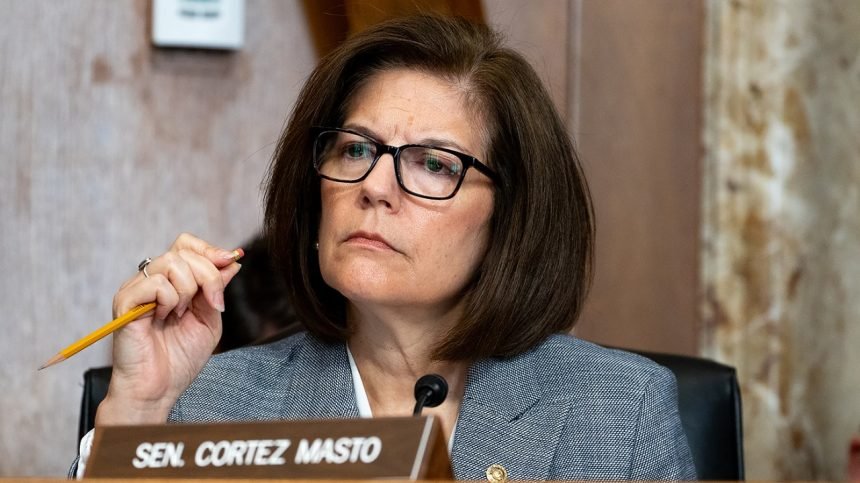
Committee members also received a separate letter on Wednesday from Sen. Catherine Cortez Masto and Rep. Steven Horsford, both Nevada Democrats.
The letter to the members of the Rules and Bylaws Committee from the Latino leaders goes on to make the case that “Latino voters now make up more than 15 percent of the electorate” and highlights that from 2016 to 2024, the party’s “margin among Latino voters eroded by roughly 30 points, underscoring the need to strengthen engagement and invest in the communities that will help determine the future of our democracy.”
“No state can better ensure the prioritization of such a strategy than battleground Nevada,” the letter says, adding that nearly one in five Nevada voters is Latino.
“Making Nevada first forces every presidential candidate to show up early, invest seriously, and answer to a diverse, working-class electorate before a single vote is cast anywhere else,” the letter concludes. “That is not symbolic. It is the test our nominee needs to pass.”