In a more normal time, South Dakota Gov. Larry Rhoden would have easily locked down the Republican nomination before this week.
An establishment conservative, he served in the state legislature for 18 years before becoming lieutenant governor for seven years, then becoming governor when Kristi Noem joined the Trump administration last year.
He’s also a native South Dakotan who served in the state National Guard and worked as a rancher and welder before going into politics.
Any challenger to Rhoden would have needed to persuade major donors to spend money on the race in a year when they’re hoping to minimize their losses in more competitive general election races elsewhere. A candidate would have also needed to pull in thousands of smaller donors with populist ideas that capitalized on voter discontent.
But Rhoden isn’t facing a typical challenger. In Tuesday’s primary runoff, he’s facing multimillionaire Toby Doeden, an entrepreneur, real estate developer, podcaster and bitcoin investor who has put $4 million of his own money into the race.
Wealthy Americans have always sought political office.
Wealthy Americans have always sought political office. George Washington, Thomas Jefferson and James Madison were among the richest Americans of their day. But until recently, personal wealth wasn’t nearly as useful as a campaign asset.
That changed after the Supreme Court’s 1976 decision in Buckley v. Valeo, which held that candidates have a First Amendment right to spend unlimited amounts of their own money on their campaigns.
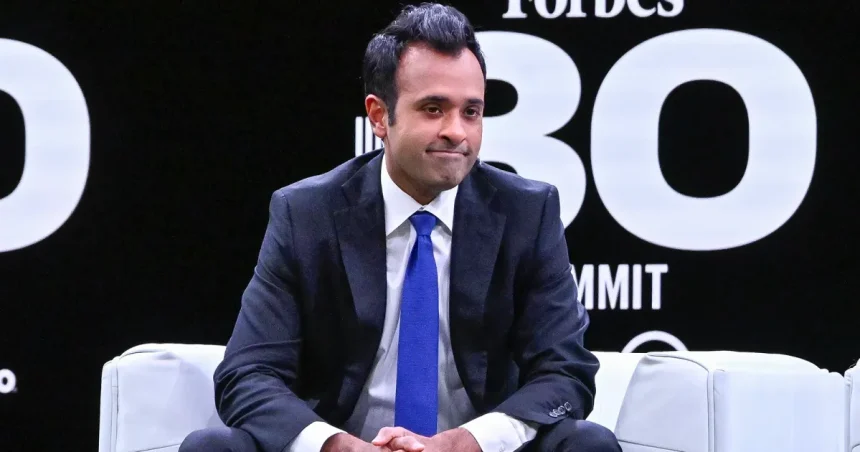
In 1992, billionaire Ross Perot became the wealthiest person to ever run for president at the time. Since then, billionaires Steve Forbes, Michael Bloomberg, Tom Steyer and Vivek Ramaswamy have also mounted presidential campaigns that fell short, and Donald Trump has been elected twice. The short list of potential 2028 presidential contenders already includes former Virginia Gov. Glenn Youngkin and Illinois Gov. JB Pritzker.
Trump’s success demonstrated that a wealthy outsider with no political experience could capture a major party nomination. Many wealthy Republican candidates have even argued that business success is a better qualification than a long political résumé, turning inexperience into evidence that they are outsiders — something Doeden has done in South Dakota.
That creates an interesting tension. Republicans increasingly portray themselves as the party of working-class Americans while elevating candidates and advisers whose defining credential is extraordinary personal wealth. That doesn’t mean wealthy candidates can’t represent working-class voters. But it does mean the party has become more comfortable treating business success as a political qualification in its own right.