

Every restaurant has slow hours. Maybe lunch is quiet, weekday evenings are unpredictable, or customers simply do not arrive until later at night. Empty tables during these periods can reduce daily revenue, increase staff costs, and make it harder to maintain steady business growth.
The good news is that restaurants do not always need to spend more money on advertising to attract customers during quiet periods. With the right planning, local marketing, and customer offers, slow hours can become a valuable opportunity.
Here are 10 practical ways to fill empty restaurant tables during slow hours.
1. Create Slow-Hour Specials
A simple, well-planned offer can give customers a reason to visit when your restaurant is usually quiet.
For example, you could offer a weekday lunch special, an early dinner menu, a discounted family meal, or a free drink with selected dishes during a specific time period.
The key is to make the offer easy to understand. Instead of promoting a general discount all day, focus on a particular period, such as Monday through Thursday from 2 p.m. to 5 p.m.
Make sure the promotion still protects your profit margin. A smaller incentive that brings in more customers can be more useful than a large discount that reduces your earnings.
2. Promote Your Offers on Google Business Profile
Many people search Google Maps when they want to find a nearby restaurant. Your Google Business Profile can help you reach these local customers without requiring a separate advertising budget.
Update your profile with:
- Current opening hours
- Attractive food photos
- Updated menus
- Special offers
- Reservation information
- Accurate contact details
You can also publish regular updates about slow-hour specials, new dishes, lunch deals, or limited-time menus.
When customers search for restaurants nearby, fresh and useful information can make your business easier to discover and give them a reason to choose you.
3. Make Reservations Easy
Some customers avoid restaurants when they are unsure whether a table will be available. Others may not want to call and wait for a response.
Make the reservation process as simple as possible. Add a clear booking link to your website, Google Business Profile, and social media pages. If you accept reservations through messages or phone calls, respond quickly and provide clear information.
You can also promote specific slow-hour availability, such as:
“Enjoy a relaxed early dinner with available tables between 4 p.m. and 6 p.m.”
Simple communication can help customers plan their visit and reduce uncertainty.
4. Use Social Media to Show What Is Happening Now
Social media works best for restaurants when the content feels real, timely, and local.
During slow hours, post attractive photos or short videos of:
- Freshly prepared meals
- Popular menu items
- Daily specials
- Comfortable seating
- Behind-the-scenes preparation
- A quiet table ready for guests
Instead of only saying “Visit us today,” use a more specific message:
“Looking for an early dinner? Our kitchen is serving fresh pasta and grilled chicken specials from 4 p.m. today.”
Include your location, opening hours, booking details, and a clear reason to visit now.
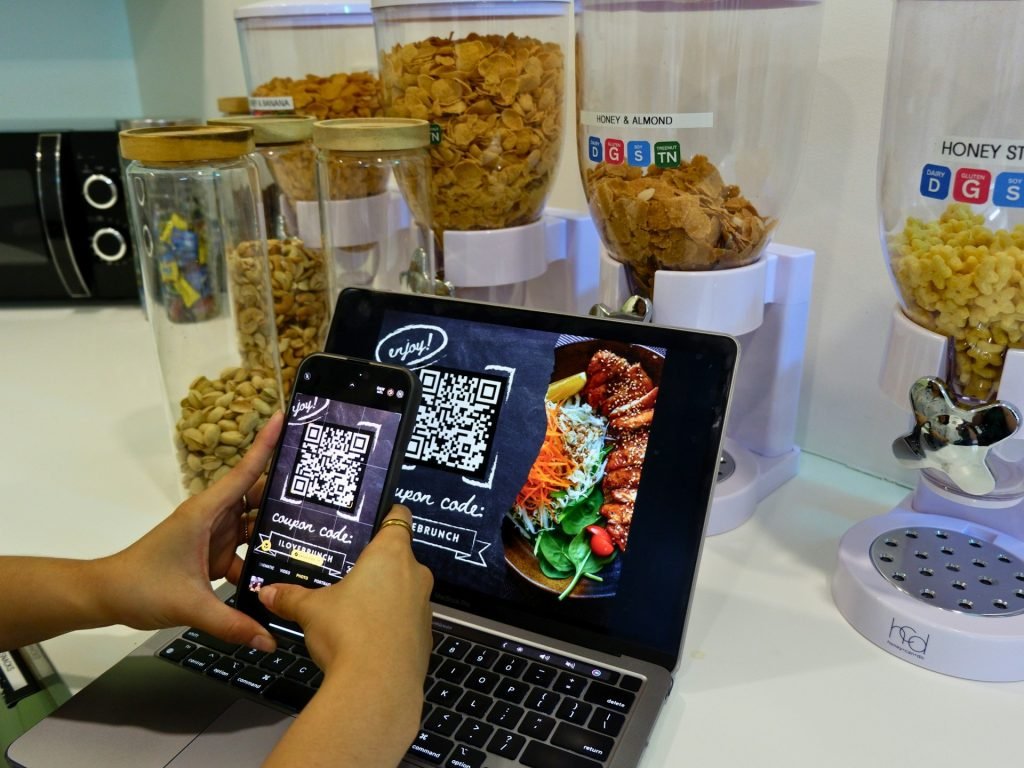
A scheduling tool such as Confe.io can help restaurants plan, approve, and publish social media content across multiple platforms. This makes it easier to stay consistent without spending hours managing every account manually.
5. Build a Loyalty Program Around Slow Hours
A loyalty program does not need to be complicated. You could offer points, a free side dish after several visits, a birthday reward, or a special benefit for customers who visit during quieter periods.
For example, customers might receive an extra loyalty point for visiting between 2 p.m. and 5 p.m. on weekdays.
This approach gives regular customers a reason to choose your restaurant at a less busy time. It can also encourage repeat visits instead of relying only on new customers.
Make the rules simple and explain them clearly on receipts, menus, social media, and at the checkout counter.
6. Contact Previous Customers
Your previous customers are often one of your most valuable marketing resources. They already know your food, service, and location.
With appropriate permission, you can send them useful updates about:
- New menu items
- Weekday specials
- Early dinner offers
- Seasonal dishes
- Special events
- Loyalty rewards
Avoid sending too many messages. A short, relevant message is more effective than frequent promotional content.
For example:
“We are introducing a new weekday lunch menu from 12 p.m. to 3 p.m. Reserve your table this week and enjoy our new chef’s special.”
Personalized communication can help bring back customers who have not visited recently.
7. Partner With Nearby Businesses
Local partnerships can help restaurants reach people who already live or work nearby.
Consider working with:
- Offices
- Gyms
- Hotels
- Salons
- Colleges
- Retail stores
- Coworking spaces
- Local community organizations
You could create a lunch arrangement for nearby employees, offer a small benefit to hotel guests, or provide a special menu for workers in the area.
These partnerships can be especially useful during weekday afternoons when nearby businesses may have employees looking for lunch, coffee, snacks, or an early dinner.
The best partnerships are simple, mutually beneficial, and easy for customers to understand.
8. Offer Group Meals and Small Events
A restaurant does not have to wait for large celebrations to attract groups. Smaller gatherings can also help fill tables during quiet periods.
Promote your space for:
- Team lunches
- Birthday meals
- Family gatherings
- Study groups
- Business meetings
- Community meetups
- Small celebrations
Create clear group packages with food options, seating arrangements, and booking details. If possible, offer flexible menus that make ordering easier for groups.
You can also contact local offices and organizations directly with a short, professional message about your available group dining options.

9. Improve Your Menu for Slow-Hour Customers
Different customers visit at different times of the day. Someone coming for lunch may want a quick and affordable meal, while an early dinner customer may prefer a relaxed experience.
Review your menu and identify items that are:
- Quick to prepare
- Popular with local customers
- Profitable
- Suitable for lunch or early dinner
- Easy to package as a special
A focused slow-hour menu can make the ordering process easier and reduce kitchen pressure.
You can also test smaller portions, combo meals, family options, or seasonal dishes. Track which items sell well and remove offers that do not attract enough interest.
10. Turn Every Visit Into a Future Visit
Filling a table once is useful, but encouraging the customer to return can create more stable revenue.
Train your team to provide friendly service, explain loyalty benefits, mention upcoming specials, and invite customers to return during another quiet period.
You could provide a bounce-back offer, such as:
“Visit us again next Tuesday between 3 p.m. and 5 p.m. and receive a complimentary dessert with your meal.”
Ask satisfied customers to leave an honest review on Google. Positive reviews can help future customers feel more confident about choosing your restaurant.
You can also use customer feedback to improve slow-hour menus, service speed, seating arrangements, and promotional offers.
How to Know Which Strategy Is Working
Do not rely only on how busy the restaurant looks. Track the results of each promotion.
Pay attention to:
- Number of reservations during slow hours
- Number of walk-in customers
- Average order value
- Repeat visits
- Promotion redemptions
- Popular menu items
- Customer feedback
- Revenue during the targeted period
Test one or two strategies at a time. For example, try a weekday lunch special for four weeks and compare the results with the previous month.
If an offer brings more customers but reduces profit too much, adjust the menu, price, timing, or promotion rules.
Final Thoughts
Slow hours do not have to mean lost opportunities. Restaurants can use targeted offers, local search visibility, social media, loyalty programs, partnerships, and better customer communication to attract more guests when tables are usually empty.
The most important step is to understand why your restaurant is quiet during certain periods. Once you know which customers are nearby, what they want, and when they are most likely to visit, you can create a more focused strategy.
Start with one practical idea, measure the results, and improve it over time. A consistent approach can help turn slow hours into a stronger and more reliable source of restaurant revenue.