


HOUSTON – The future of hemp-derived THC products is becoming increasingly uncertain as a new federal restriction approaches, leaving Texas business owners worried about their inventory, employees and whether they’ll be able to keep their doors open.
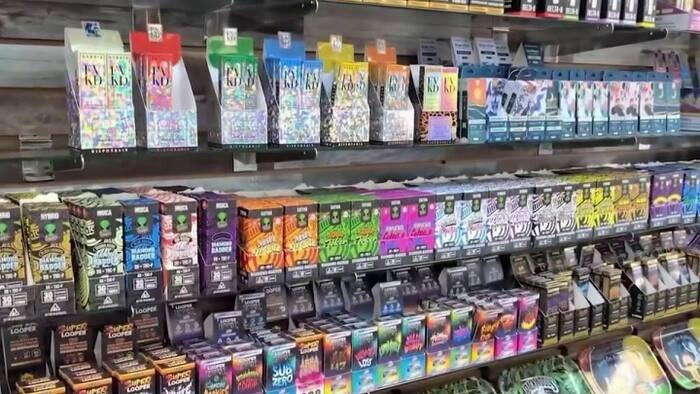
The federal law will change the definition of hemp, placing stricter limits on the amount and types of THC allowed in hemp-derived products. The changes could affect products commonly sold in stores, including gummies, drinks, oils and some topical products.
For Houston-area business owners, the impact is already being felt.
What changes December 11?
Under the 2018 Farm Bill, hemp was generally defined by having no more than 0.3% delta-9 THC by dry weight. That definition allowed a market for products containing other forms of THC, including delta-8.
The new federal law takes a stricter approach.
Starting December 11, 2026, finished hemp-derived products will generally be limited to 0.4 milligrams of total THC per container. The new definition also counts THC forms such as THCA and restricts certain cannabinoids made outside the cannabis plant.
A separate part of the federal change addressing cannabinoids that cannot be naturally produced by the plant takes effect November 12.
Products that no longer meet the federal definition of hemp could instead fall under federal marijuana restrictions.
The change could effectively remove many intoxicating hemp-derived products currently sold in stores from the legal hemp market.
Stafford business owner says restrictions have already affected inventory
At CBD American Shaman in Stafford, owner Sandra Campbell says changing restrictions have already forced her to remove a significant portion of her inventory.
Campbell estimates she’s had to pull between 20 and 40 different products from her shelves, out of approximately 50.
And she’s concerned the upcoming federal restrictions could make it even harder to stay in business.
“To the point where I probably won’t be able to stay in business,” Campbell said.
She says the store originally opened with a focus on health, wellness and skincare. While some staple products, including CBD oils and topical creams, remain available, restrictions have limited the selection she can offer customers.
Former shop owner worries about industry-wide impact
Carlton Bynum, a veteran and former hemp shop owner, has already transitioned away from his storefront.
Bynum says he found another shop owner to take over his previous location while he shifted his business toward online sales.
He also belongs to a group of approximately 300 to 400 Texas shop owners. Based on what he’s seeing within that group, he estimates between 20% and 30% have already closed.
If the December restrictions take effect, he believes that number could climb significantly.
“If the December 11th ban hits, I could see 60%, 70% closing,” Bynum said.
That figure is Bynum’s estimate based on his industry group, not a verified statewide closure projection.
Bynum says the uncertainty has forced many owners to consider whether they should close, transition into other businesses or find ways to continue operating under the changing rules.
Customers are also concerned about losing access
The potential impact extends beyond business owners.
Bynum says some customers have already expressed concern about where they’ll find products if the restrictions take effect.
“I’ve even had, you know, some people come into the shop and tell me like, I’m gonna have to find another place to get it from,” he said.
Bynum worries consumers could turn to alternatives that are not regulated or tested to the same standards.
The issue has also raised concerns among hemp industry advocates about people who use CBD and other hemp-derived products.
However, supporters of tighter restrictions argue that some intoxicating hemp products have been sold without adequate oversight, raising concerns about product safety, labeling and access by minors.
What happens next?
The federal restrictions come after years of debate over how hemp-derived THC products should be regulated.
In Texas, efforts to restrict the industry have also faced political and legal challenges, leaving businesses navigating changing rules at both the state and federal levels.
Governor-elect Gina Hinojosa has signaled support for giving Texans a say in the future of THC policy. But any potential changes to Texas regulations would take time, with the next regular legislative session scheduled to begin in January 2027.
For Bynum, the possibility of future changes offers some hope. He says he has not ruled out returning to a storefront if the regulatory environment becomes more favorable.
For now, business owners like Campbell and Bynum are waiting to see what happens next — and what it could mean for the businesses and customers caught in the middle.
Copyright 2026 by KPRC Click2Houston – All rights reserved.