



The site said researchers “looked into walk and bike scores; the density of public transportation stations; cultural spaces; flex offices; retail stores; fuel prices; how often shared transportation breaks down; and average fare prices per trip.”
New York City led the way, followed by San Francisco, Washington D.C., Newark, N.J., Boston, Seattle, Miami, Philadelphia, Chicago, and Minneapolis, the study said.
“Boston has the largest share of people walking to work among the top 20 with a pedestrian infrastructure that allows more than 13 [percent] of locals to commute on foot,” the researchers said.
The study also presents a decidedly rosy view of the city’s public transit system, which locals would surely agree is often plagued by delays.
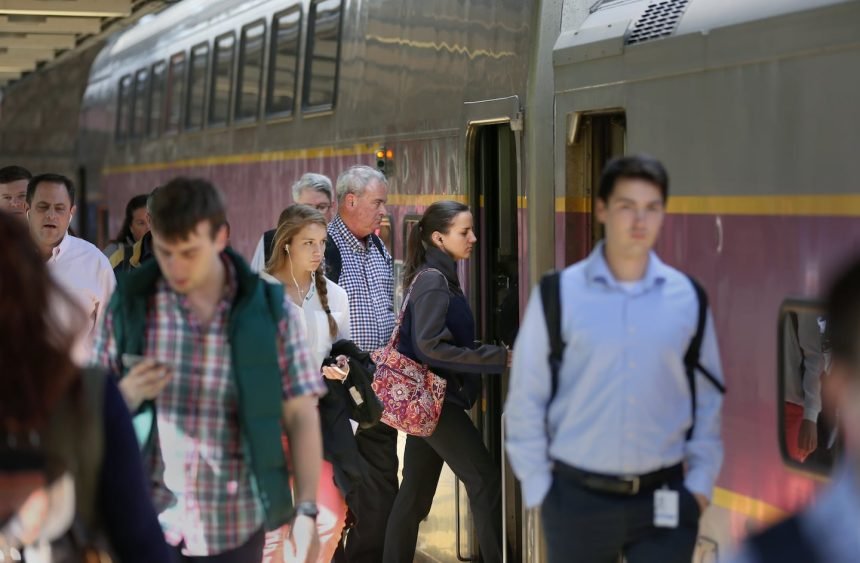
“The decision to take the bus or sub[way] comes naturally in Boston, given how reliable and affordable public transportation is,” the study said. “At the same time, having nearly six stations per square mile and tickets priced at an average of $1.74 pushes nearly one-quarter of the population toward the bus station, instead of the parking lot.”
Nearly 23 percent of Bostonians take public transportation to work, while more than 13 percent walk. Just over 2 percent cycle and about the same number use a ride-hailing service.
Two other New England cities fell in the top 20, with Providence, R.I., coming in 18th followed by Hartford, Conn., at 19th.
“Providence is one of the most walker-friendly cities,” the study said. “Its reliable network of sidewalks and the abundance of shopping and entertainment options (40 cultural spaces and nearly four stores per square mile) earn the city the seventh-best walk score.”
As a result, “more people in Providence would rather walk than take public transportation (7.3% compared to 4.1%, respectively).”
In Hartford, meanwhile, transportation methods such as taxis and ride-hailing services are used by more than 3 percent of the city’s approximately 122,000 residents, according to the study.
“Hartford has a reliable bus system within the city, as well as a railway network that connects it to New Haven with 17 trains a day,” the study said. “Add the affordability of one-trip fares (priced a little more than $1), and we can suddenly understand why more than 13% of the population commutes using the public transit network.”
Travis Andersen can be reached at travis.andersen@globe.com.