


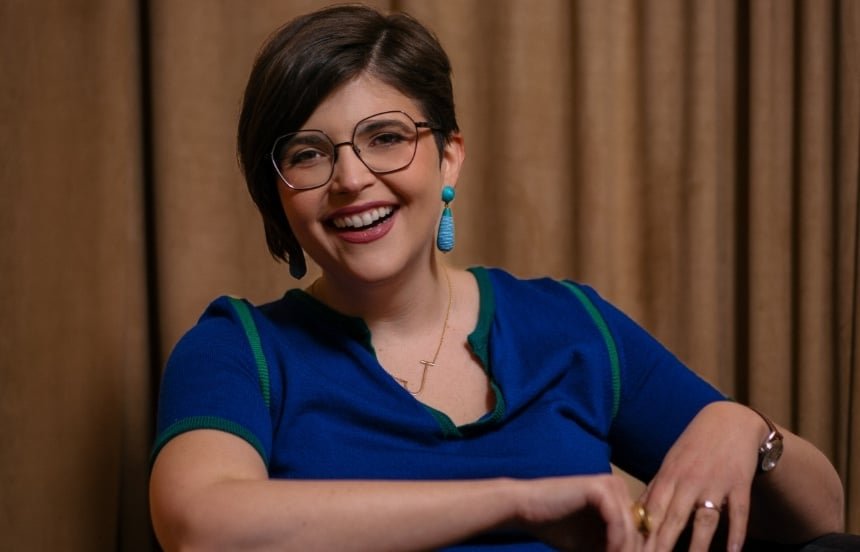
For Julie Ann Crommett, founder at Collective Moxie, inclusive storytelling is not only a matter of social impact but also a business opportunity for the global entertainment industry. Drawing on senior roles at Google, Disney and NBCUniversal, where she worked on titles including “Encanto”, “Coco”, “Raya and the Last Dragon”, “Black Panther” and “Hidden Figures”, Crommett sees a direct link between authentic representation, audience connection and commercial performance.
Her decision to launch Collective Moxie was driven by a gap between industry decision-makers and the audiences they serve. “If you are not proximate to the audiences that you serve, you will miss what they need, misrepresent them, and inevitably will be disrupted by someone who is more responsive and innovative,” she said. The consultancy works with companies and organizations seeking to develop more connected stories and business models.
Crommett argues that cultural specificity can help content travel further across markets. “The more specific a story is, the more it resonates with a broader audience,” she said, pointing to Disney‘s “Moana” as an example of how cultural authenticity can translate into both audience loyalty and commercial success. She also stressed the importance of involving creatives and community members throughout the development process, particularly when projects explore historically underrepresented cultures.
Animation represents another major opportunity. With anime, manga, webtoons and gaming gaining global traction, Crommett believes the medium has a particular responsibility to reflect a wider range of identities and experiences. She also sees potential for intellectual property to expand across formats, from comics and short-form content to series, films and games. “You cannot be what you cannot see,” she said, highlighting animation’s ability to help younger audiences imagine different worlds and possibilities.
Despite progress, Latino representation remains a significant industry challenge. Crommett estimates that Latinos account for only around 5% of on-screen and behind-the-camera talent across film and television, despite their strong contribution to box office and streaming consumption in the US. She called for greater investment in Latino founders and new business models, arguing that meaningful change will come from companies willing to challenge established structures.