

As 2026 begins, content marketing looks very different for small businesses than it did just a few years ago. Blogs, emails, social media posts, and website content are no longer created on instinct alone. Artificial intelligence has become a practical, everyday tool—reshaping how businesses plan, produce, distribute, and measure content.
For small businesses operating with limited budgets and lean teams, this shift is critical. Platforms like Confe.io and Confemedia.com are helping businesses move away from guesswork by offering data-driven insights, content performance analysis, and strategic visibility support. Instead of simply creating more content, small businesses are now focused on creating smarter, more effective content marketing strategies—designed to build trust, authority, and long-term growth.
The Shift From Guesswork to Data-Driven Content
One of the biggest changes AI has brought to content marketing is the end of guesswork. In the past, many small businesses created content based on assumptions: what they thought customers wanted, what competitors were doing, or what felt right at the moment.
In 2026, AI-powered tools analyze:
- Search intent and keyword demand
- Audience behavior and engagement patterns
- Content performance across platforms
This allows small businesses to make decisions based on real data, not assumptions. Instead of asking, “What should we write about?”, business owners can now ask, “What content is most likely to perform—and why?”
Platforms like Confe.io play a growing role here by helping businesses understand how their content is performing, where gaps exist, and how to optimize digital presence more effectively.

AI Is Reshaping Content Planning and Strategy
Small businesses in 2026 are no longer publishing content just to stay active online. AI-backed platforms such as Confe.io and Confemedia.com help businesses understand what topics matter, how content performs, and where improvements are needed. This strategic clarity allows owners to align content marketing with real business goals—whether that’s improving search visibility, building authority, or reaching niche audiences.
Rather than chasing trends blindly, businesses are learning to plan content based on insight, relevance, and measurable outcomes.
Faster Content Creation Without Sacrificing Quality
Speed matters in digital marketing, but quality still determines success. AI has made it possible for small businesses to produce content more efficiently while maintaining professional standards.
In 2026, AI assists with:
- Drafting blog outlines and first versions
- Improving clarity, structure, and readability
- Adapting content for different platforms
However, successful small businesses understand that AI works best as a collaborative tool, not a replacement for human insight. The most effective content still reflects real experience, local relevance, and authentic brand voice.
AI accelerates production—but humans ensure relevance and trust.
SEO Optimization Is Now Built Into the Process
Search engine optimization is no longer a separate step at the end of content creation. In 2026, AI integrates SEO considerations from the start.
Small businesses now optimize content by:
- Targeting realistic, high-intent keywords
- Structuring content for readability and search engines
- Improving internal linking and topical authority
Tools that analyze content performance and search visibility—like those offered by Confe.io—help small businesses understand how their content appears to both users and search engines.
The result is content that ranks better, lasts longer, and delivers more consistent traffic.
Personalization at Scale Becomes Possible
Personalization used to be something only large brands could afford. AI has changed that.
In 2026, small businesses use AI to:
- Tailor content for different audience segments
- Customize email and website messaging
- Adjust tone and messaging based on user behavior
This level of personalization helps businesses connect more deeply with customers—without increasing workload. Content feels more relevant, timely, and useful, which improves engagement and conversion rates.
Smarter Content Distribution and Timing
Creating great content is only half the equation. AI is also changing how and when content is distributed.
Small businesses now rely on AI to:
- Identify optimal publishing times
- Choose the best-performing channels
- Repurpose content across formats
Instead of posting everywhere blindly, AI-guided distribution ensures content reaches the right audience at the right moment—maximizing impact with minimal waste.
Performance Measurement Goes Beyond Vanity Metrics
In the past, content success was often measured by likes, views, or shares. In 2026, AI allows small businesses to focus on what actually matters.
AI-powered analytics help track:
- Engagement quality
- Conversion influence
- Content’s role in the customer journey
Platforms like Confe.io help businesses connect content performance with broader digital goals, offering insights that go beyond surface-level metrics.
This shift helps owners understand which content drives real business results—and which content needs improvement.
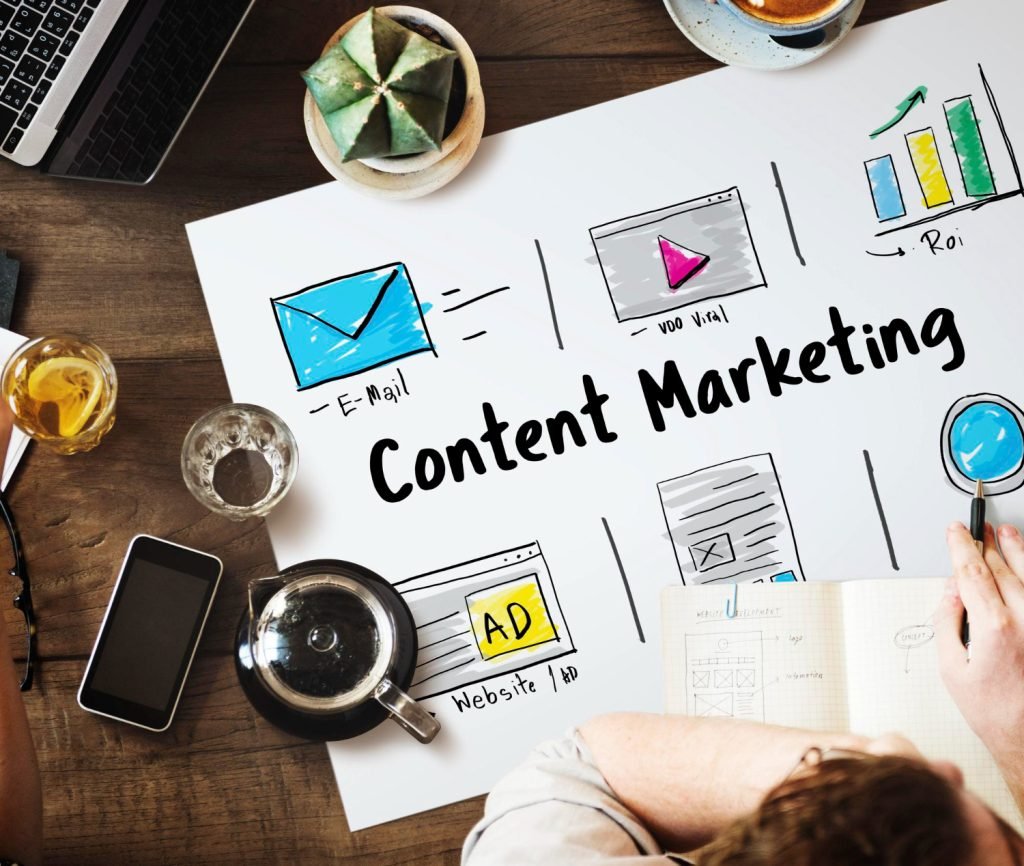
AI Helps Build Long-Term Content Authority
Search engines and audiences alike are rewarding depth, consistency, and credibility. AI helps small businesses build authority by identifying gaps and opportunities within their content ecosystem.
In 2026, AI supports:
- Topic clustering and content depth
- Content updates and refresh strategies
- Long-term visibility planning
Rather than chasing trends alone, small businesses are building lasting digital assets that continue to perform over time.
Ethical Use of AI and Content Trust
As AI becomes more common, trust becomes more important. Audiences are increasingly aware of AI-generated content—and skeptical of content that feels generic or misleading.
Smart small businesses in 2026:
- Use AI transparently and responsibly
- Maintain human oversight
- Prioritize accuracy and originality
Trust remains the foundation of effective content marketing. AI supports trust—but only when used thoughtfully.
Why AI Levels the Playing Field for Small Businesses
Perhaps the most significant impact of AI in 2026 is accessibility. Tools that were once expensive or complex are now available to small teams and solo entrepreneurs.
AI enables small businesses to:
- Compete with larger brands in search results
- Maintain consistent content schedules
- Make informed decisions without large marketing departments
With the right tools and strategy, small businesses can now operate with the efficiency and insight once reserved for enterprise-level companies.
Looking Ahead: Content Marketing in 2026 and Beyond
AI is not replacing creativity—it is reshaping how creativity is executed. For small businesses, this represents an opportunity, not a threat.
Those who succeed in 2026 will be businesses that:
- Combine AI insights with human experience
- Focus on value, clarity, and trust
- Use data to guide—not dictate—strategy
Platforms like Confe.io reflect this shift by helping businesses understand performance, improve visibility, and make smarter content decisions in an increasingly competitive digital landscape.
Final Thoughts
As content marketing continues to evolve in 2026, small businesses that succeed will be those that balance technology with authenticity. Artificial intelligence has made content creation faster and more efficient—but trust, clarity, and strategic execution still define impact.
Platforms like Confe.io and Confemedia.com reflect this shift, helping small businesses understand performance, improve visibility, and position content more intelligently in competitive digital spaces. When AI insights are paired with thoughtful strategy and credible distribution, content marketing becomes more than promotion—it becomes a long-term growth engine.