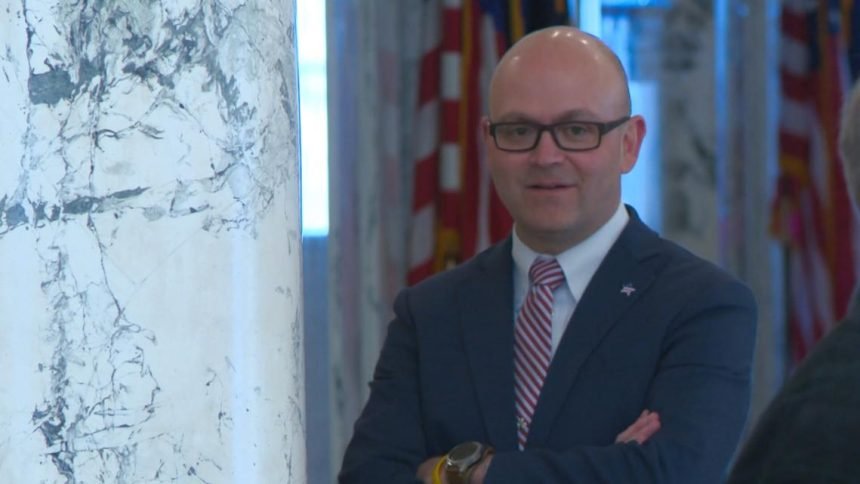
McGrane said the funding was needed as the office prepares for a busy election season and attempts to keep pace with the growth of new businesses filings.
BOISE, Idaho — This story originally appeared in the Idaho Press.
The Joint Finance-Appropriations Committee approved additional funds for the Idaho Secretary of State’s Office and rejected proposed baseline cuts to the office in its Tuesday meeting.
Secretary of State Phil McGrane, who first appeared before the committee last month, said the funding was needed as the office prepares for a busy election season and attempts to keep pace with the growth of new businesses filings in Idaho.
Rep. James Petzke, R-Meridian, brought forward an initial motion to provide $350,000 in one-time funding for a voter pamphlet and guide for the coming November election.
Voter pamphlets are required to be mailed to each Idaho household in even-numbered years when a constitutional amendment, initiative or government referendum is on the election ballot and provide voters with information on these respective ballot measures as well as voting requirements and deadlines. McGrane previously told JFAC he anticipated 850,000 of these pamphlets will be sent in the fall, as the state already has one constitutional amendment on the ballot with several others pending.
Rep. Chris Bruce, R-Kuna, followed Petzke with a substitute motion to provide the same funding for voter pamphlets, but with a reduction to the Secretary of State’s Office’s base budget by $114,200 — effectively implementing a 2% reduction for the coming fiscal year. Bruce said the intention was to align the Secretary of State with the added 2% ongoing reductions JFAC approved for most executive agencies and constitutional officers in fiscal year 2027.

Rep. Dustin Manwaring, R-Pocatello, said he was concerned the cuts proposed by Bruce would arrive at a time when business filings face a weeks-long backlog at the office, the longest Manwaring said he has seen in nearly two decades interacting with the office’s business services division.
Until these filings are processed, new businesses are unable to begin operation in the state.
“We’re right in a time period where we should be making sure we have great customer service and these business filings taken care of so we can do business in Idaho,” Manwaring said. “We’re now going to reduce 2% and we don’t even know how that’s going to affect the office.”
In response to Bruce’s motion, McGrane said the office has already made an $850,000 rescission, or 15% cut, so a requirement for additional cuts would not “be treating anybody equitably.”
The office also holds a unique position in its funding model. Unlike other state agencies or constitutional officers in the state, the Secretary of State’s Office is funded through the fees it assesses to businesses, rather than taxpayer dollars.
In the case of fiscal year 2025, revenues were $2 million higher than expenses. Since the office returns excess fees collected to the state each year, reducing the office’s resources further would only diminish its net positive standing, McGrane said.

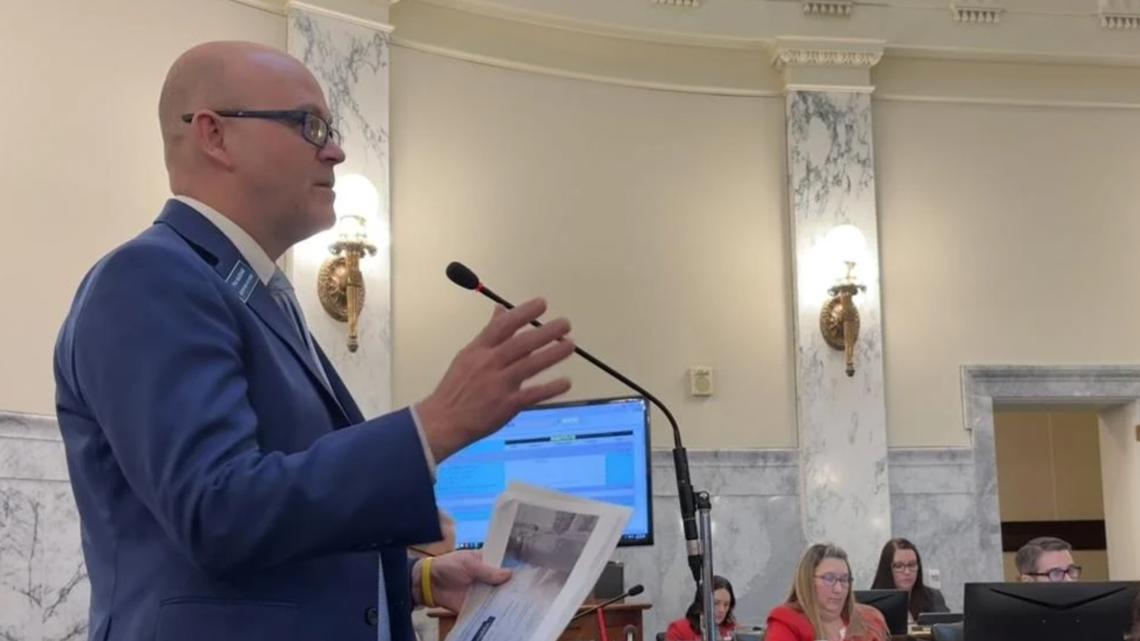
McGrane previously told JFAC one of his biggest concerns for the office was the wait time for business filings. While the office’s goal has been to process these filings within three business days, the waiting period at the end of February was around 20 days.
In that meeting, McGrane framed the office as an economic indicator of the state’s positive economic trajectory as these filings have grown dramatically — indicative of a favorable business environment — but at a pace the office is “struggling to keep up” with.
McGrane reiterated Tuesday the goal of three-day business filing processing was not being met, and wait times have now having eclipsed 30 days. As he shared previously, the backlog stems from the increase in the volume of fillings, with the state now seeing 200,000 additional annual filings, up 50% from five years ago.
Implementing the cuts proposed by Bruce would impact staffing for this already strained business division and would also bring negative consequences to the office’s election division at a time most state legislators are gearing up for election season.
“Right now we are slowing down the Idaho business community,” McGrane said. “And what I wouldn’t want this committee to do is further slow down Idaho businesses.”
With no other comment from committee members, they voted 8-12 against Bruce’s motion and 15-5 to advance Petzke’s motion maintaining the office’s base funding.
For more stories from the Idaho Press, click here.