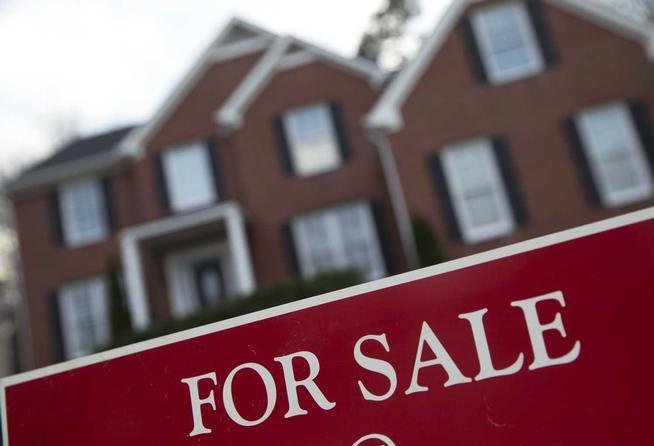
Entry-level homes have been in short supply in metro Denver since around 2014. Despite that chronic gap, the Denver region recorded the biggest drop in starter home prices over the past year of any major metro area, according to a home price index from First American Data & Analytics.
Nationally, single-family home prices were up in 39 of 50 states, with the average gain at 0.4%. Colorado, however, was among 11 states with declines. Its 2.9% drop tied for the fourth largest with Nevada, after New York, Florida and California.
“January’s data suggests that house price appreciation started 2026 much the way it ended last year — subdued,” said Mark Fleming, chief economist at First American Financial Corp., in the report. “For buyers, that stability is meaningful. Soft price growth, combined with faster rising household incomes, continues to gradually improve affordability.”
First American’s home price index measured price declines in 23 of the 30 “core-based statistical areas” it tracked. Denver’s CBSA covers a 10-county region and saw a 4.5% drop in single-family home prices. Only Oakland had a larger decline at 4.6%.
Starter homes, the bottom third in price, are averaging a 6% decline in value in the Denver region, while the mid-tier is down 4.3% and the top tier or luxury segment is down 2.3%. Denver has had the biggest price declines in the starter tier of any region.
So why are prices falling the most in the part of the market that buyers have been clamoring to see more inventory in for years? It comes down to increased supply and suppressed demand.
“Our analysis shows that when inventory levels are higher relative to historical norms, sellers face more competition and less pricing power, which slows price growth or may even spur price declines,” said Odeta Kushi, deputy chief economist at First American Financial Corp., which is the nation’s second largest title company.
Kushi notes that the Denver inventory of homes for sale is now higher than the levels averaged before the pandemic. As supply builds and with first-time buyers, the group most likely to buy starter homes, constrained by a lack of affordability, prices are falling.
Existing homeowners, by contrast, can roll the equity they have built up into the next property, providing support for the middle and upper tiers of the market.
“On top of that, rising insurance premiums in Denver are adding to monthly carrying costs, creating another affordability headwind for entry-level buyers,” Kushi said.
The First American home price index looks at single-family homes, not condos and townhomes, which are facing even more intense downward price pressures in places like Denver because of an aging housing stock and rising HOA fees. The index looks at the sale of the same home over time and is based on more than 46 million paired transactions.
The average rate on a 30-year mortgage dipped below 6% this week for the first time in 3.5 years, according to a survey from Freddie Mac. If the cost of borrowing money keeps falling, affordability could improve, especially if home prices continue to drop.
The real estate firm Zillow estimates a median-income household in Denver can now afford at $456,000 home, which is $42,000 more than what they could afford a year ago. A third of listings are now within the reach of the median-income household, compared to just under a quarter a year ago.
Redfin, a Seattle-based brokerage firm, reports that sellers outnumbered buyers by about a 40% margin in Denver in January, which is close to the U.S. average gap of a 44%. Only five metros in the country are still seller’s markets. Redfin, in another analysis, reports that the average age of a first-time buyer fell last year, an indicator of a market that is opening up to younger adults.
Get more real estate and business news by signing up for our weekly newsletter, On the Block.