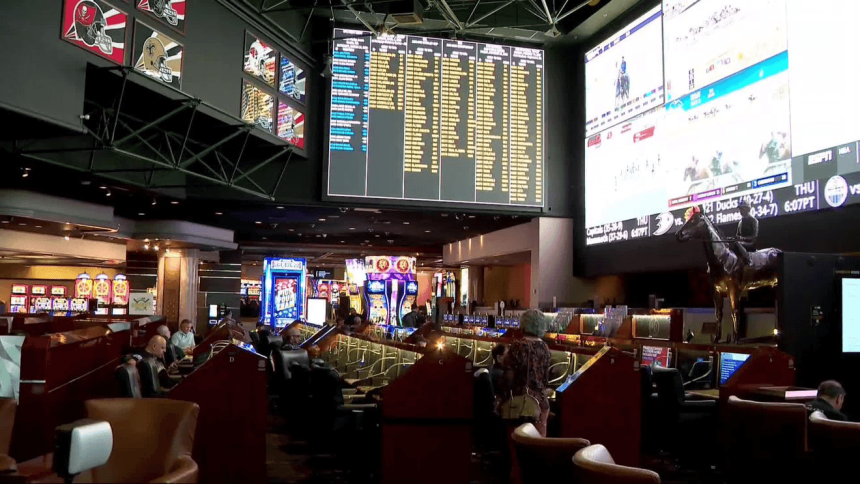
LAS VEGAS (KSNV) — Not long ago, the idea of Las Vegas landing major league sports teams was a punchline. Now, the city is on the verge of becoming home to the NFL, NHL, WNBA and MLB — and it could eventually add the NBA, too — raising questions about whether the market could become oversaturated.
For some fans, an NBA expansion franchise would be a clear win for the city. “It’ll be more tourism, so that’ll be good for Vegas. And, it’ll have all the sports teams covered,” said Tyson Thompson, a basketball fan. Thompson also pointed to the financial upside, saying, “More revenue for the city, so not a bad thing for Vegas.”
UNLV associate professor of hospitality Amanda Bellarmino said the NBA’s global reach could bring benefits that go beyond local ticket sales. “One of the things that’s very interesting about the NBA is that they have worked, you know, very hard over the last 20 – 25, years to grow an international fan base,” Bellarmino said.
Bellarmino said Asia is one of the largest consumers of NBA basketball, with the league also growing in Europe and drafting more international players.
This trend could help Las Vegas at a time when international visitation has lagged since COVID. “So the idea that we could have a franchise here, you know, could bring some international travelers here,” she said.
International visitors also tend to stay longer in Las Vegas, Bellarmino said, as do travelers who add a game to a trip for business or leisure. “So we’ve seen, I think we there’s enough in our data right now that we can indicate that’s happening with the Raiders, with the Aces to certain extent, and to the Golden Knights,” she said.
Still, the rapid growth of major league sports in Southern Nevada has fueled questions about whether the Las Vegas metro area can support another franchise — particularly with Major League Baseball expected to arrive in early 2028.
One comparison often raised is population versus the number of major league teams. With the Athletics’ arrival, Las Vegas would be on par with Chicago in total major league teams, despite having about one-third the population.
Jeremy Aguero of Applied Analysis said Las Vegas differs from traditional sports markets because of its built-in visitor base. “This isn’t meant to be pejorative or comparative to other markets, but Las Vegas has this competitive advantage where we’re going to have 35 40 million people coming to Las Vegas, and they want to do stuff while they’re here,” Aguero said. “Some of those folks want to go see a football game. Want to go see a hockey game. Want to go see a WNBA game. That’s really important, and it drives revenue overall.”
Bellarmino said Las Vegas teams are not competing solely for the roughly 3 million residents in the metro area, but also for traveling fans across the country who may plan trips around seeing their teams play in Las Vegas — part of a broader sports economy that can draw visitors from beyond Nevada, including nearby markets such as southern Utah.