Charles DeCarli is a distinguished professor of neurology at UC Davis. Courtesy of UC Davis Health.
Their study enrolled a relatively younger cohort of Hispanic and Latino participants. It included more than 16,000 Latino participants from continental (Mexico, South America and Central America) and Caribbean (Cuba, Dominican Republic and Puerto Rico) Latino origins. The multi-site study enrolled participants in four centers: Miami, San Diego, Chicago and New York.
“What’s unique about HCHS/SOL is that it was designed to get representative samples of people who come from various Hispanic-Latino backgrounds,” DeCarli said. “There are widely varying social, economic and environmental exposures, as well as genetic differences within the Latino community that may influence risk for dementia and need to be further studied.”
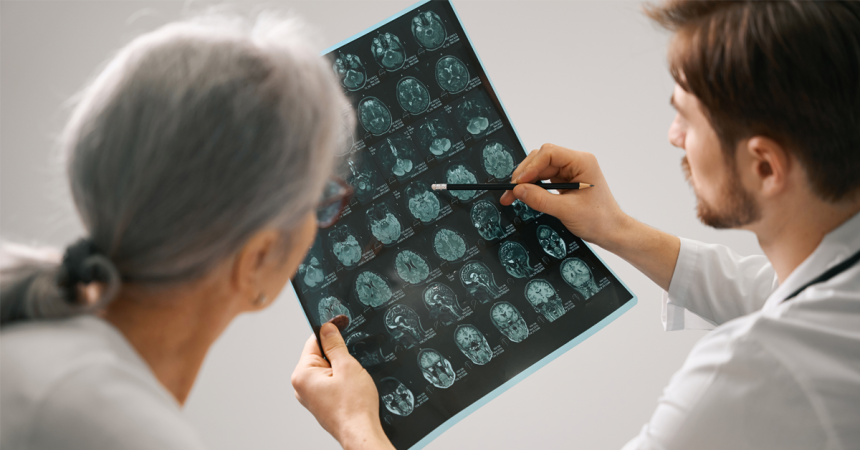
DeCarli and González collaborated with other researchers to produce the largest collection of brain MRI scans from this Latino cohort in a sub-study called SOL-INCA-MRI. With scans from 2,668 participants, they learned about how sleep, blood vessel health and genetics influence brain aging.
The next phase of deciphering brain mysteries
This new NIH grant allows the team to shift from single-time-point snapshots to long-term tracking of participants’ brain health. Over a period of around 12 years, the researchers will closely follow about 1,800 Latino adults. They will collect repeated MRI scans, blood biomarkers, health and lifestyle information and data from cognitive testing.