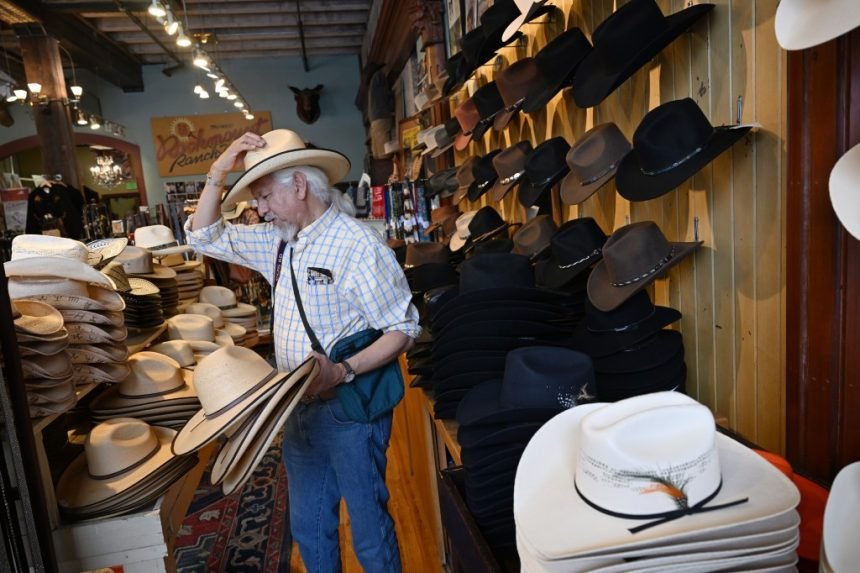
Downtown Denver has always been more than office towers and city planning diagrams. It’s a place built by people who invested their lives into creating something special in the heart of the city. Businesses like Rockmount Ranch Wear and restaurants like Jovanina’s Broken Italian are part of that story.
For decades, independent businesses have helped make downtown a destination — a place where locals bring visitors and where tourists discover Denver’s unique character.
That’s why we are concerned about the direction of city government.
Some Denver leaders are pursuing policies designed to push people out of their cars when visiting downtown — reducing parking access, narrowing vehicle lanes, and making driving increasingly difficult.
We support thoughtful urban planning. We support transit, biking and walkable streets. But we also know something else: downtown businesses survive on accessibility. And right now, the unintended consequence of revised street circulation goes against reactivating downtown. This is like Covid all over again, but self- induced.
Downtown Denver is still recovering from the pandemic and the shift to remote work. At exactly the moment when we should be doing everything possible to attract new businesses, support existing ones, and make downtown welcoming again, we are instead creating policies that make it harder for customers to get here.
That sends the wrong message. If visiting downtown feels complicated, inconvenient, or expensive, people will simply choose other neighborhoods or suburban districts with easy parking.
Our customers are not just the people who live within a few blocks, or ride scooters. They are families from across the metro area and state, visitors staying in hotels, people coming downtown for dining, shopping, concerts, sports events, and theater.
Many of them drive, not because they oppose transit or cycling but because it’s the most practical way to travel across a large metropolitan region, especially at night or in winter. Let’s face it. We have bike lanes that restrict access but are not usable by the elderly, disabled or during inclement weather. Bus and light rail ridership are in a freefall.
If the city’s strategy assumes everyone will switch to alternative transportation overnight, it misunderstands the reality of how people actually move.
Cities across the country and around the world have successfully balanced transportation goals with thriving downtown economies. In Chicago, city leaders expanded pedestrian-friendly streets and bike infrastructure while maintaining clear access to parking garages and short-term street parking to support businesses and residents. In San Diego, downtown revitalization paired transit improvements with smart parking management and wayfinding systems that make it easy to find parking quickly.
These cities did not frame the issue as a battle between cars and vibrant streets. They focused on balance.
Denver is planning major road remodeling projects. Here’s where some of them are happening.
Independent businesses are not obstacles to urban progress. We are the reason people come downtown in the first place. Historic retailers, locally owned restaurants, music venues, and neighborhood gathering places create the experience that planners and civic leaders say they want to strengthen.
But when policies are implemented without meaningful input from the businesses they affect, the result can unintentionally push customers away from the very places we are trying to support.
We believe Denver can get this right. But it will require listening carefully to the small businesses and restaurants that depend on downtown foot traffic every day.
Downtown Denver became one of the most vibrant city centers in the country because it was welcoming, accessible, and full of independent businesses that reflected the character of the region. If we want that downtown to thrive again, the solution isn’t making it harder to get here.
Maybe it’s time to rethink the proliferation of bus and bike lanes and lost parking?
Steve Weil is president and chief creative officer of Rockmount Ranch Wear, a third-generation clothing manufacturing company started by his grandfather in 1946. Jake Linzinmeir is a principal at Bespoke Concepts, a hospitality consultancy that created Jovanina’s Broken Italian in downtown Denver.