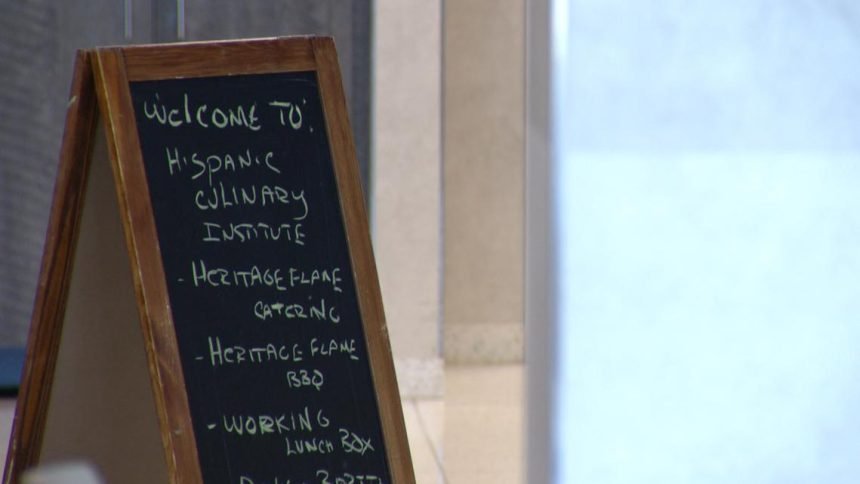
The new Hispanic Culinary Institute in Adams County, a collaboration with the Hispanic Restaurant Association, transforms an idle kitchen into a hub.
WESTMINSTER, Colo. — Adams County has partnered with the Colorado-based Hispanic Restaurant Association to open the Hispanic Culinary Institute on the third floor of the Adams County Human Services building on Pecos Street, transforming a dormant commercial kitchen into a workforce development hub designed to train aspiring cooks, support small business entrepreneurs and connect local students with careers in the restaurant industry.
The institute, which has been accepting budding entrepreneurs and high school students for the past couple of months, celebrated its official launch with a ribbon-cutting ceremony attended by county commissioners, food vendors and ranchers.
The collaboration pairs Adams County’s existing kitchen and cafeteria space, including a large barbecue smoker mounted on a trailer outside, with the programming infrastructure of the Hispanic Restaurant Association, led by co-founder and president John Jaramillo.
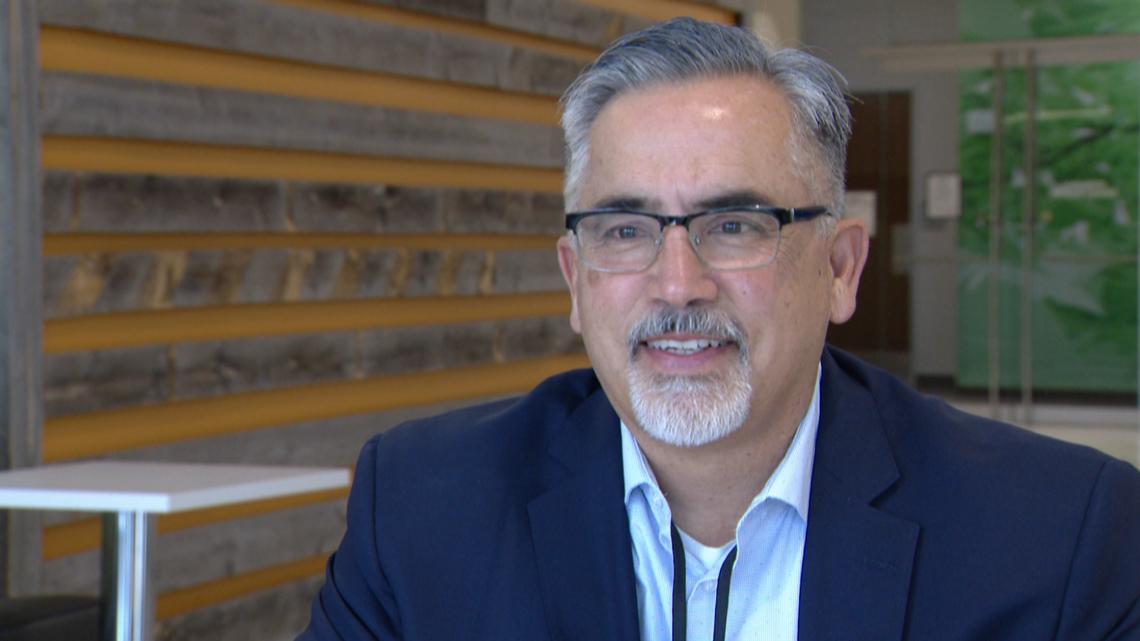
“It’s been a heavy lift for the past few years, but we’ve maintained, sustained our goals of educating and elevating people,” Jaramillo said.
The space had been sitting largely idle since the COVID-19 pandemic. Commissioner Lynn Baca, who took office in 2021, said earlier attempts to activate it through nonprofit workforce development had not gained traction. After meeting Jaramillo at a party at the governor’s mansion, Baca said the path forward became clear.
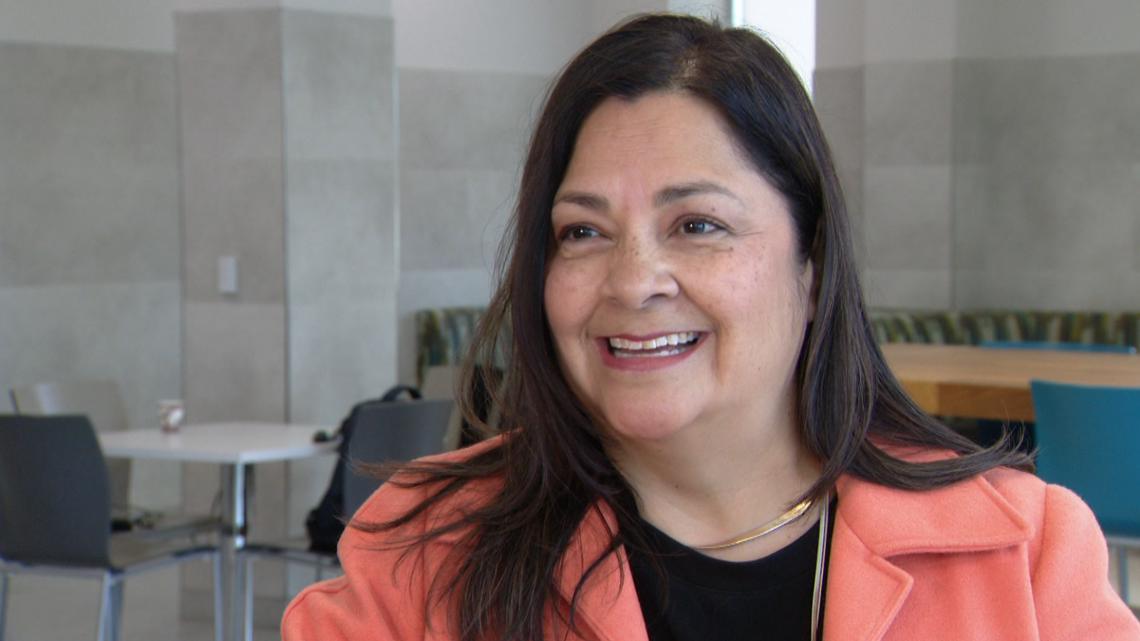
Baca said the partnership checked multiple boxes for Adams County’s development priorities.
“It was workforce development, it is business, it’s culinary, it’s entrepreneurship,” she said.
The county, she noted, is majority-minority following the 2020 census.
“Forty-two percent of our population identifies as Latino, Hispanic, and when we found that out through the data has really caused us pause of what does service delivery look like? What do building businesses and supporting our schools look like?” Baca asked.
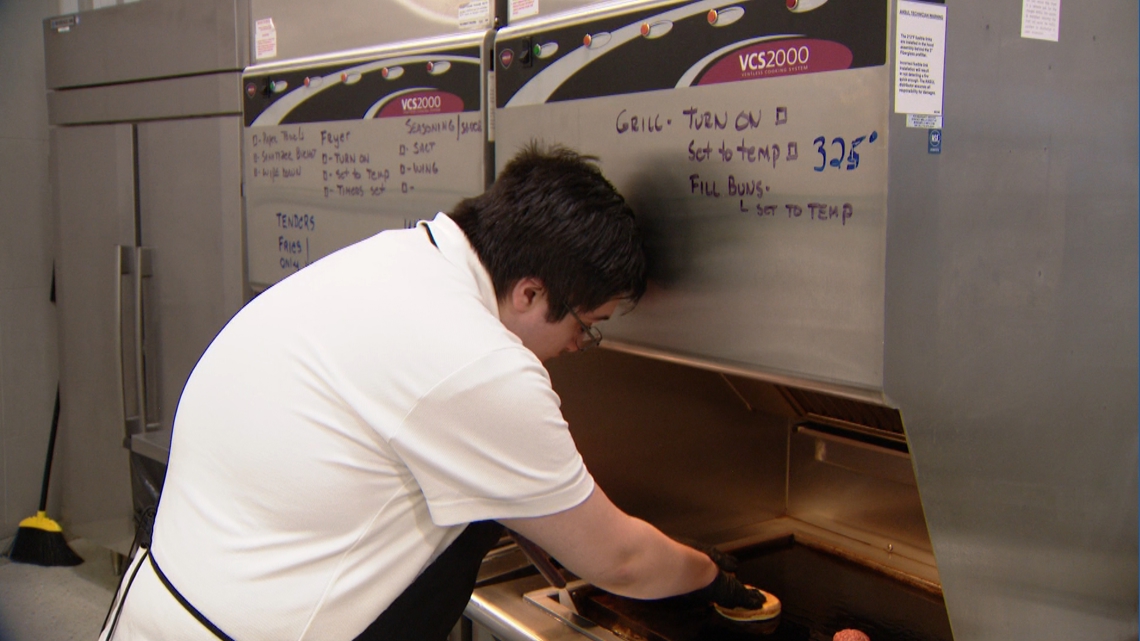
Jaramillo created the Hispanic Restaurant Association in 2021. The association has offered online classes taught by culinary director Pablo Aya and guest chefs, and has partnered with EduClasses, which provides bilingual classes for food-handler certifications.
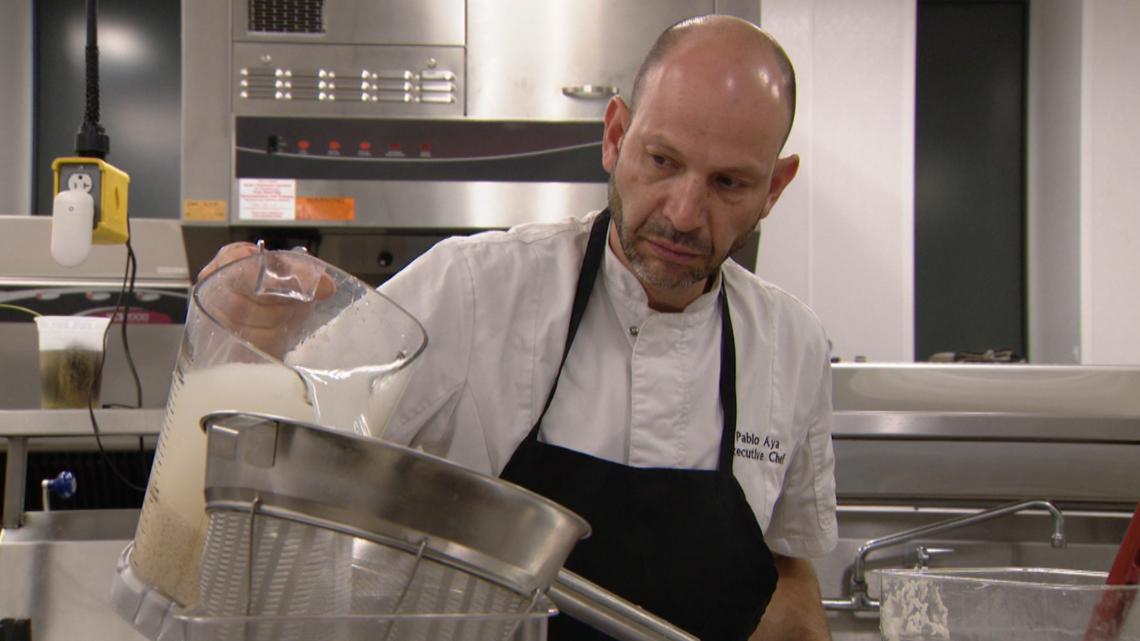
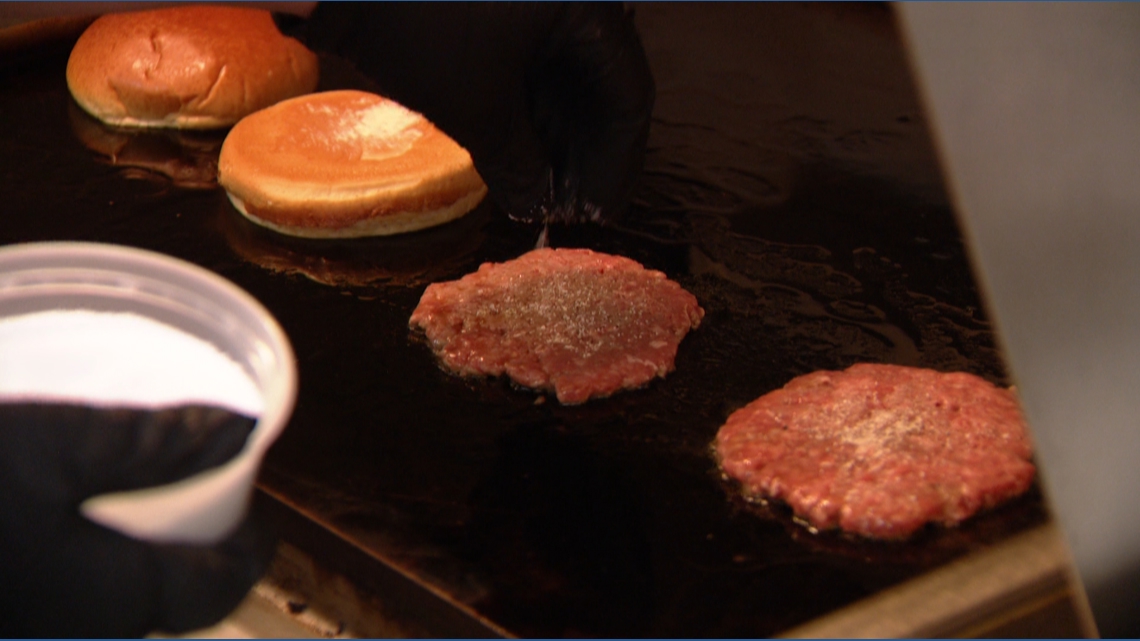
The institute’s curriculum covers practical culinary skills: knife techniques, the five mother sauces, smoking and food prep, alongside business fundamentals like cost of goods sold, front-of-house hospitality and entrepreneurship.
“The restaurant industry develops skills that are needed everywhere,” Jaramillo said.
Westminster Public Schools became an early partner after Mario Ortiz, the district’s work-based learning coordinator, met Jaramillo at an event. Within two weeks of the conversation, Ortiz had two students enrolled through Colorado’s ProStart hospitality program.
“We’re sending students over here for the real-world, hands-on application of what they’re learning in the classroom setting, and then from there, we send them off to Adams County restaurants,” Ortiz said. Westminster’s culinary program currently fills three sections: culinary essentials, ProStart 1 and ProStart 2, with enrollment of roughly 200 to 250 students and a waitlist for next year, Ortiz said.
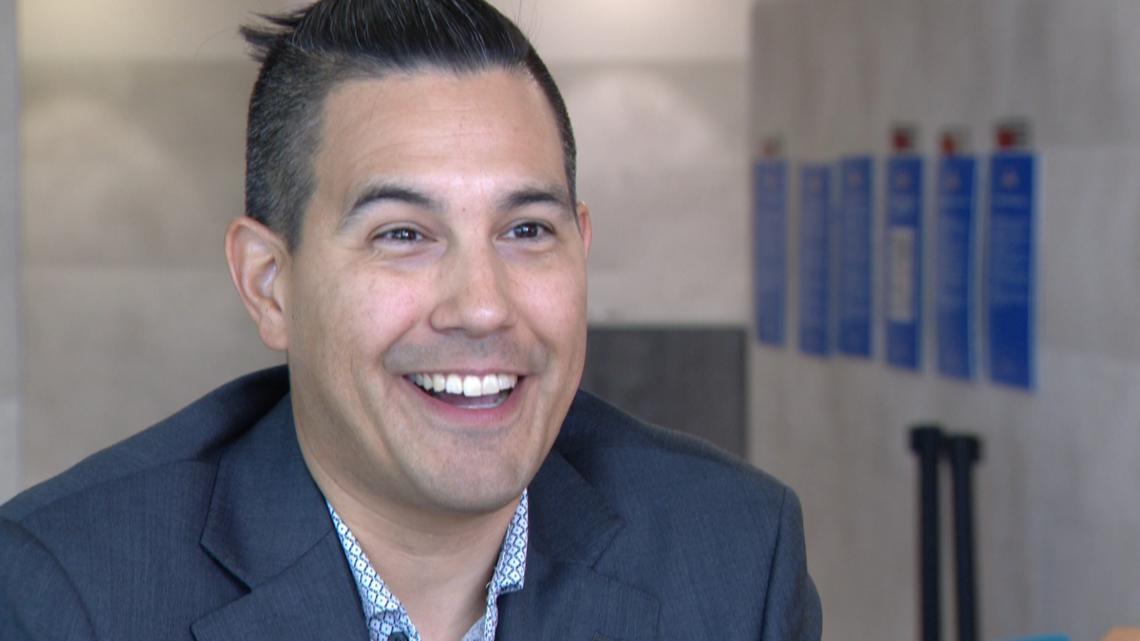
Ortiz said the institute represents something larger than job training.
“Take Adams County residents, build up their skills, build up their knowledge and their passion for culinary arts,” Ortiz said. “Give them the hands-on experience here and then get them trained so that they’re ready to go into Adams County restaurants and help build up our restaurants here.”
Food distribution is another pillar of the program’s ecosystem. Roberto Meza, co-founder and CEO of Hearty Provisions, serves as the logistics and distribution partner for the institute, working to connect local farmers and producers with chefs and communities across the region. Meza said his company aims to fill a gap left by large-scale food distributors that rarely source from local farms.
“Up until now, we’ve seen local food be the exception,” he said. “Through our partnerships with the farmers themselves, the producers, the makers and the chefs, we’re able to collaborate collectively to find innovative ways of making that food accessible.”
Meza said the institute’s catering operation, which helps fund programming, is part of a broader effort to build what he called a circular food economy. Schools, he said, have become anchor institutions in that system, particularly as federal food access funding has declined since the pandemic.
“For some students, it is the only place where they’re able to access food,” he said.
Genevieve Harz, a Colorado State University student and project coordinator intern for the Colorado Beef Festival, said the institute’s work connecting local beef producers with area restaurants and consumers fills an important educational gap.
“More than 50% of the dollar stays locally when you buy locally,” she said.
Baca said she hopes the institute becomes a feeder program for culinary schools and sets students up to own businesses or join the workforce right in Adams County.
“Students become what they see around them,” she said. “I’m hoping, with exposure to restaurants, to skills, to network with culinary professionals, that they can start their own business, that it will ignite something within them.”
For Demetrius Lopez, an intern at the Hispanic Culinary Institute, the experience has already shaped his outlook.
“I get to learn from some great chefs,” Lopez said, adding that his goal is to “make my own business selling, making sure people are fed, making sure they’re happy.”
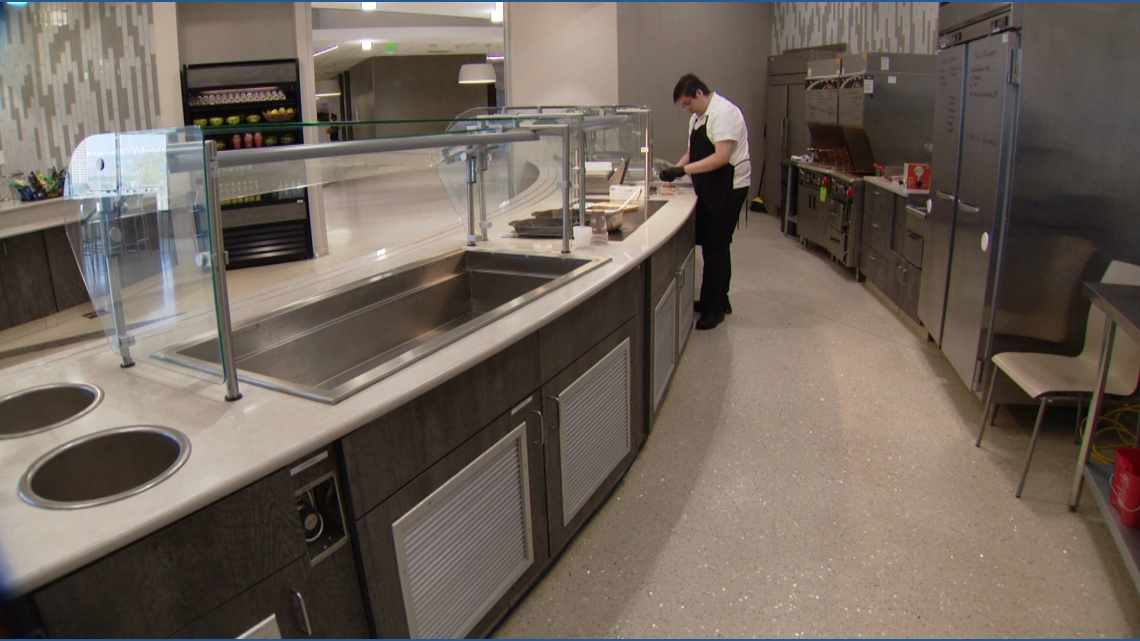
Jaramillo said the facility includes front- and back-of-house training space, a large conference center on the floor below and room for summits of up to 400 people, giving the association infrastructure it previously lacked.
“It’s such a wonderful partnership,” he said, “whether it’s with our cities, our municipalities, our school districts, the Colorado Beef Council, our farmers.”