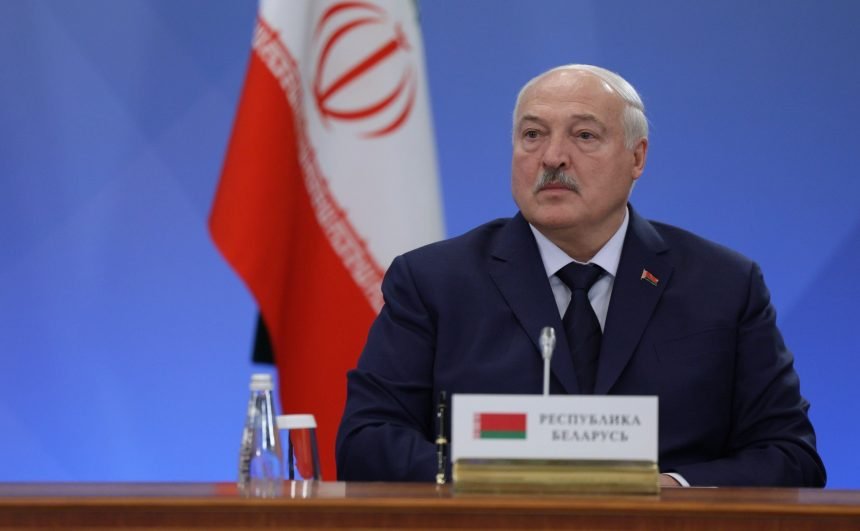
Belarus has freed 250 political prisoners following sanctions-relief negotiations with the United States, a move human rights organizations cautiously welcomed, while warning that true justice has yet to be served.
President Alexander Lukashenko ordered the mass release on Thursday. The decision was the result of direct negotiations with the Trump administration, which agreed to lift specific sanctions targeting Belarusian financial institutions in exchange for the prisoners’ freedom.
US Special Envoy for Belarus John Coale praised the agreement on X (formerly Twitter), describing the release as a “significant milestone” and a clear testament of “direct, hard-stone diplomacy.”
However, human rights advocates pointed out the ethical concerns of the deal. Amnesty International responded on Friday, emphasizing that the release of unjustly detained individuals should not be mistaken for systemic reform or accountability.
“Freedom should never be the product of geopolitical bargaining in human beings,” said Marie Struthers, Amnesty International’s Eastern Europe and Central Asia director. She stressed that justice requires holding the authorities who orchestrated the unlawful imprisonments fully accountable. Struthers had previously urged Belarus to release journalists, activists, and critics jailed merely for exercising their basic rights.
The freed individuals were largely prosecuted on politically motivated charges amid Belarus’s ongoing crackdown on dissent. A recent United Nations report suggested that the state’s systemic persecution of political opponents may amount to crimes against humanity. In light of these abuses, Human Rights Watch has recently called for the renewal and strengthening of the UN Special Rapporteur’s mandate on Belarus.
Despite the breakthrough, significant concerns remain for those still behind bars. According to the Belarusian human rights group Viasna, more than 1,100 political prisoners were held in the country prior to this week’s release order, leaving hundreds still in captivity.