



One of Dubois County’s greatest strengths is the way people show up for one another. We see it when neighbors organize a meal for a family, volunteer at a school, support a local business, or help someone through a difficult season. These everyday acts of care help make this a place where people want to build their lives.
These same values are deeply rooted in our Latino community. Family, faith, hard work, education, and responsibility to others connect many of our experiences, even when our languages or traditions differ.
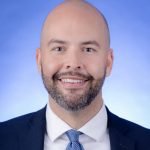
As a Mexican immigrant and Executive Director of the ALASI Resource Center, I have the privilege of seeing these connections every day. I meet parents committed to their children’s education, adults learning English after a full workday, and neighbors helping one another understand an unfamiliar form or find a needed resource. Their knowledge, determination, and relationships are assets that strengthen our county.
A 2021 Latinx community needs assessment, conducted by ALASI and the Indiana University Center for Rural Engagement with local partners, offers a helpful window into these experiences. Among its 155 Latino respondents, education, a sense of community, and safety were among the things people valued most about living here. Families described coming for employment, education, proximity to loved ones, and a good place to raise children.
These are hopes that many Dubois County families share, whether their roots here reach back generations or began more recently.
The assessment also highlighted strong networks of mutual support. Among respondents who used childcare, more than 70 percent relied on family or friends. These relationships help parents work, children feel supported, and families manage daily responsibilities. Many longtime residents will recognize this familiar tradition of relatives and neighbors lending a hand.
Language is another community asset. Nearly two-thirds of respondents reported speaking both Spanish and English. Bilingual residents connect generations, workplaces, schools, and community organizations. Supporting English learning while valuing Spanish allows us to build on the knowledge people already bring.
Our cultural traditions offer further opportunities for connection. Music, food, stories, and celebrations carry family memories and create openings for new friendships. At events such as Festival Latino and Día de Muertos, neighbors can learn about one another through conversation and shared experiences. Those connections can continue at school, at work, and around the neighborhood.
An asset-focused view also asks what would help people use their strengths more fully. Respondents identified opportunities to improve transportation, healthcare access, recreation, and access to information. Addressing these concerns helps residents participate more fully in the community they already value.
For example, a parent may be eager to attend a school meeting but need interpretation to contribute. A worker may want to learn English but need a class that fits a work schedule. A neighbor may be ready to seek preventive healthcare but need help understanding costs or scheduling an appointment.
Each situation offers a practical opportunity for partnership. Schools, employers, healthcare providers, churches, libraries, and community organizations all have knowledge and resources to contribute. Residents themselves bring experience that can help shape effective solutions.
At ALASI, our work continually reminds me that people arrive with abilities, goals, and a willingness to move forward. Sometimes a clear explanation, a trusted connection, or information in a familiar language helps make the next step possible.
Every resident can contribute to this kind of community. Learn a neighbor’s name. Invite someone into a conversation. Ask about a family tradition. Make room for a new voice on a committee or board. When planning a program, ask the people who will use it what would help them participate.
Dubois County already has a strong foundation of generosity, cooperation, and pride in place. Our Latino neighbors are part of that foundation and part of our shared future. When we recognize one another’s strengths and create opportunities to contribute, we carry those community values forward together.
Assessment: https://scholarworks.iu.edu/dspace/items/88b516d4-a4d8-426d-87a0-8cb181ad9b28
Rossina Sandoval Monsivais
ALASI executive directora