



Photo Credit: Getty Images
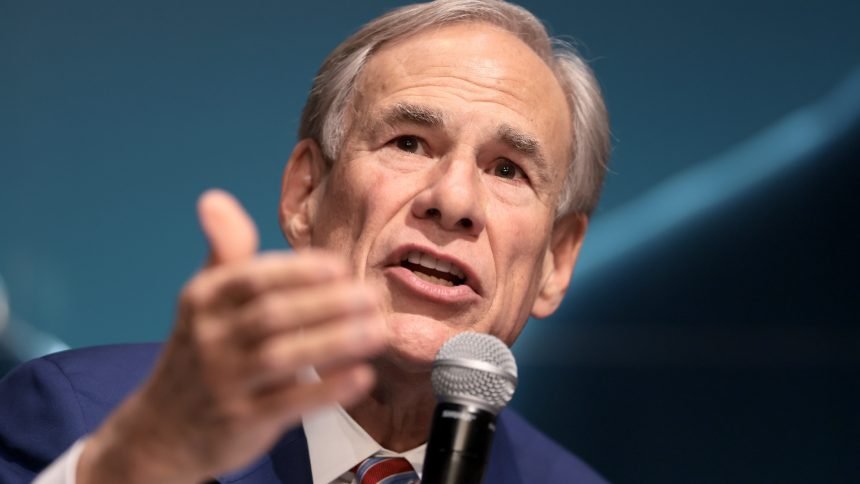
Gov. Greg Abbott is pushing to let competing electricity providers serve San Antonio, arguing that the city’s CPS Energy system leaves customers paying more than necessary.
Since utility revenue helps pay for San Antonio services and infrastructure, changing the system could affect much more than what households owe each month.
What happened?
According to the San Antonio Report, Abbott said he wants the Texas Legislature to open San Antonio’s power market by dismantling what he called a “monopoly-run” utility setup.
A key part of his argument is that CPS customers who live outside San Antonio should not be contributing to the city’s budget through their electric bills.
Under the current municipal model, CPS Energy sends 14% of its profits to the city budget instead of paying property taxes.
Abbott said bringing in competition could reduce local utility costs by 10% to 20%.
Abbott also framed the push as part of a wider dispute over how cities spend money generated by public utilities, pointing to San Antonio’s earlier choice to direct some CPS windfall funds to a Reproductive Justice Fund that the state later banned.
Abbott said, “This is taxation through electricity prices without representation, and it must come to an end.”
Why does it matter?
Supporters of the current arrangement say it keeps utility earnings in the community and available for city priorities instead of sending them to private shareholders.
In response to Abbott’s criticism, CPS Energy spokeswoman Melissa Sorola said the utility’s structure has helped keep combined residential electric and gas rates below those in other parts of Texas.
She added, “Our returns benefit the community, with the investment going to our customers rather than private investors.”
City leaders have also considered using CPS-related revenue to help head off future rate increases by supporting utility infrastructure upgrades.
CPS Energy also regularly sells excess power onto the Texas grid, which can help stabilize service during periods of strain across the state.
If the system is broken apart, San Antonio could lose a tool it uses to keep money local, support public services, and invest in grid reliability.
What’s being done?
Abbott said the proposal has the governor’s office’s backing after earlier efforts failed to win enough support in the Legislature.
San Antonio officials are likely preparing for another high-stakes fight before lawmakers reconvene in January 2027.
Sorola said CPS Energy is open to the discussion once more details of Abbott’s proposal are available.
City Manager Erik Walsh also defended the utility’s record, saying the municipally owned model has served San Antonio for more than 80 years and continues to play an important role in Texas.
Those decisions could shape everything from household budgets to how well the region responds to power demand and emergencies.
San Antonio leaders are expected to work with stakeholders and local lawmakers to argue that a community-owned utility can deliver broader public benefits than a system centered only on outside competition.
“Any threat to the not-for-profit municipal model is a threat to all customers,” Sorola said.
Walsh added that the city and CPS Energy will “communicate the benefits to our community and the city’s responsible stewardship of our utility.”
Get TCD’s free newsletters for easy tips, smart advice, and a chance to earn $5,000 toward home upgrades. To see more stories like this one, change your Google preferences here.