



The Boston Globe
National Park Service opens another shack to public bidding.
The future of one of Cape Cod’s most remote and storied dune shacks is once again up for debate.
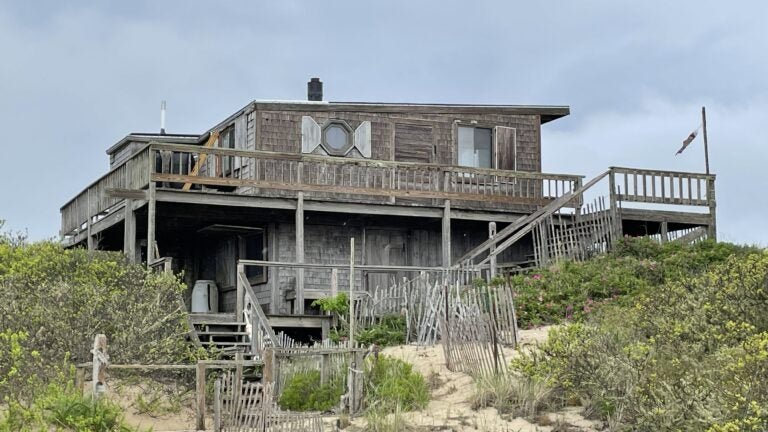
This week, the National Park Service issued a request for proposals for the public leasing of what is known as the Armstrong Shack, a two-floor seasonal structure built in 1926, and maintained by the same family since 1948. Of the 19 shacks that make up the historic colony on the remote edge of the Cape Cod National Seashore, the Armstrong shack is the most far-flung.
Eight of the shacks, located in the Peaked Hill Bars Historic District, were previously offered for public bidding through an RFP process held in 2023, which garnered more than 400 applications, according to a Globe public records request. The ongoing process attempts to answer who should maintain these unique and improbable structures into the future, while invoking a decades-long tension between dune-dwelling families whose ties to the colony predate the creation of the National Seashore, and the bureaucratic management of the land today.
The National Park Service has not so far been willing to share previous proposals to occupy other dune shacks, but a contender for this one has already stepped forward.
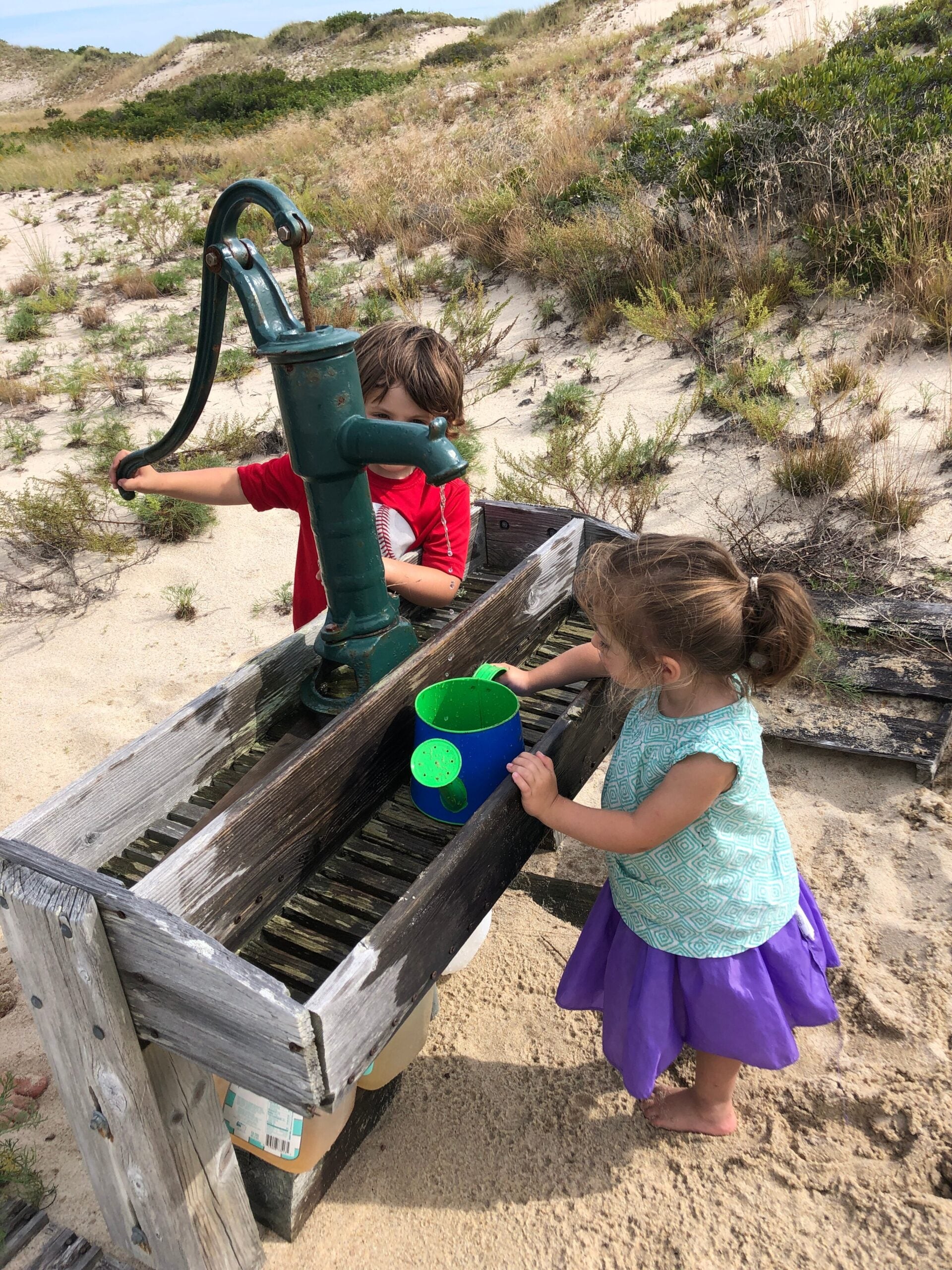
Janet Armstrong is the current steward of the shack that bears her family name. According to the new RFP criteria, officials will consider those best positioned to maintain the unique needs of the shack, which lacks traditional plumbing and electricity. A gravity-fed indoor toilet built by Armstrong’s father will also need replacing. Subleasing is prohibited.
Applying to stay in what she calls her sacred home feels like a raw moment after so many years tending to the shack and surrounding land, but Armstrong said she will comply with the process, and is readying herself to illustrate what the job requires. For one thing, preconceptions that the shacks are leisurely vacation spots are off-base.
“If something goes wrong, like you have a mouse infestation . . . good luck with that,” she said. “Got to find out where they get in, and then try to patch it up, and then it’s work.”
Walls and railings blow off. Some require annual raising to keep the buildings from sinking into the sand completely.

“Our road disappeared five different times because the ocean would take it away,” she said.
“I have 78 years of photographs of hundreds of people putting in wells and putting on roofs and digging out the pipes under the sinks and trying to stop the sand,” she said.
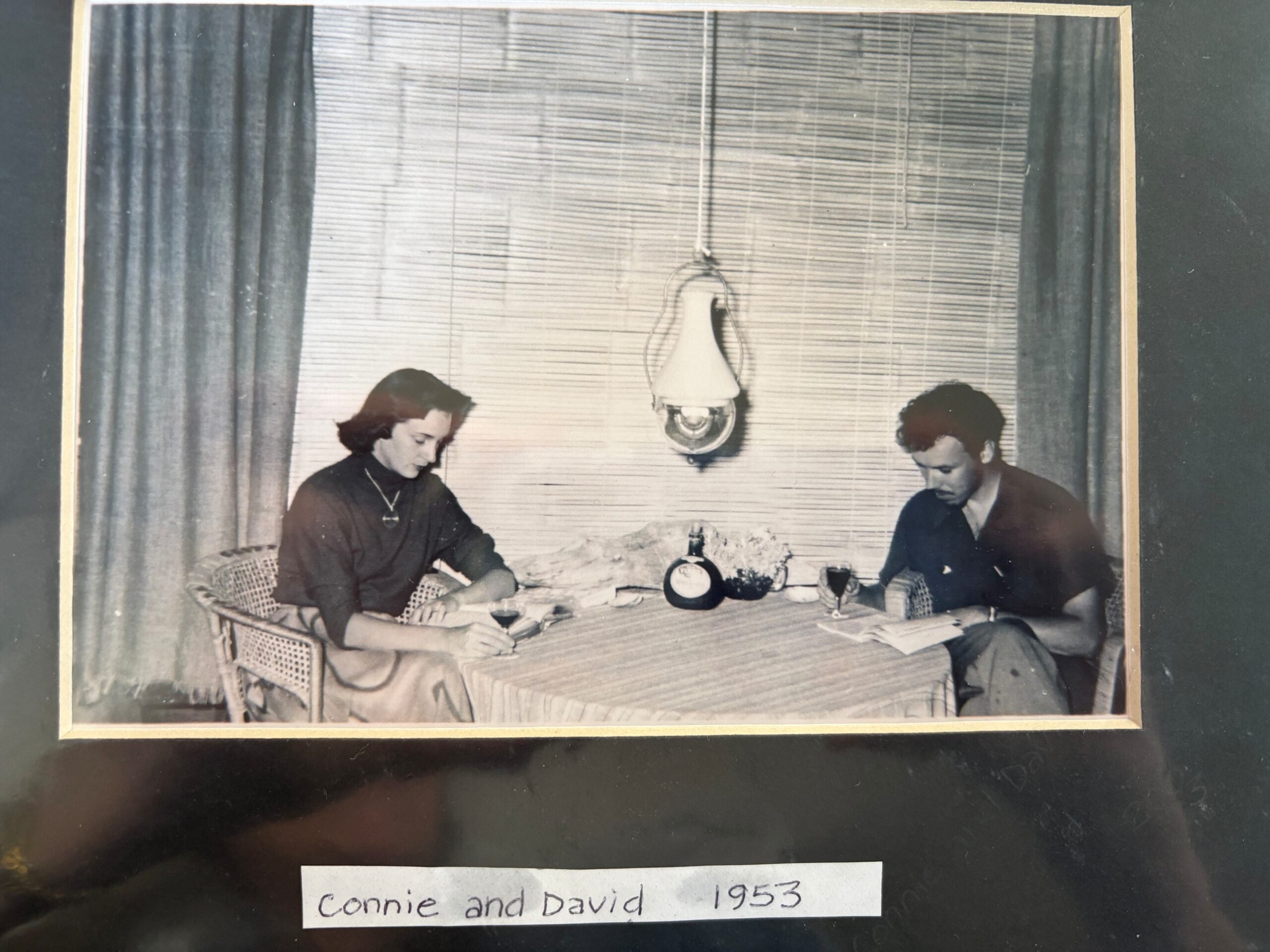
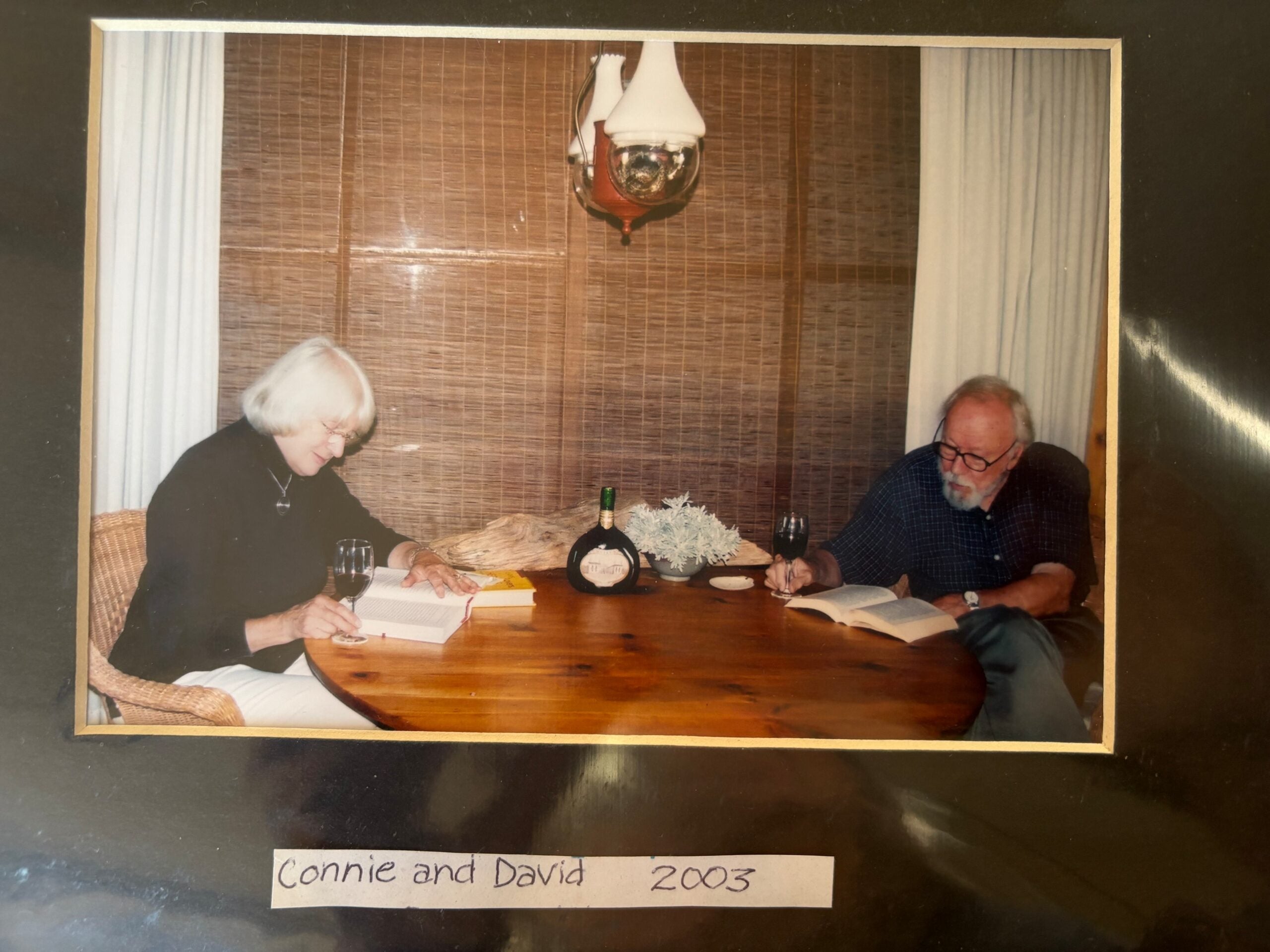
David and Connie Armstrong, the shack’s namesakes and Janet’s parents, found the abandoned shack amid the dunes in 1948.
“It had no windows. They were all busted out, and there was a huge hole in the roof, and three feet of sand on the floor, and a rusty old wood stove in there,” recalled Janet Armstrong. “They said, ‘Wow, that looks great!’”
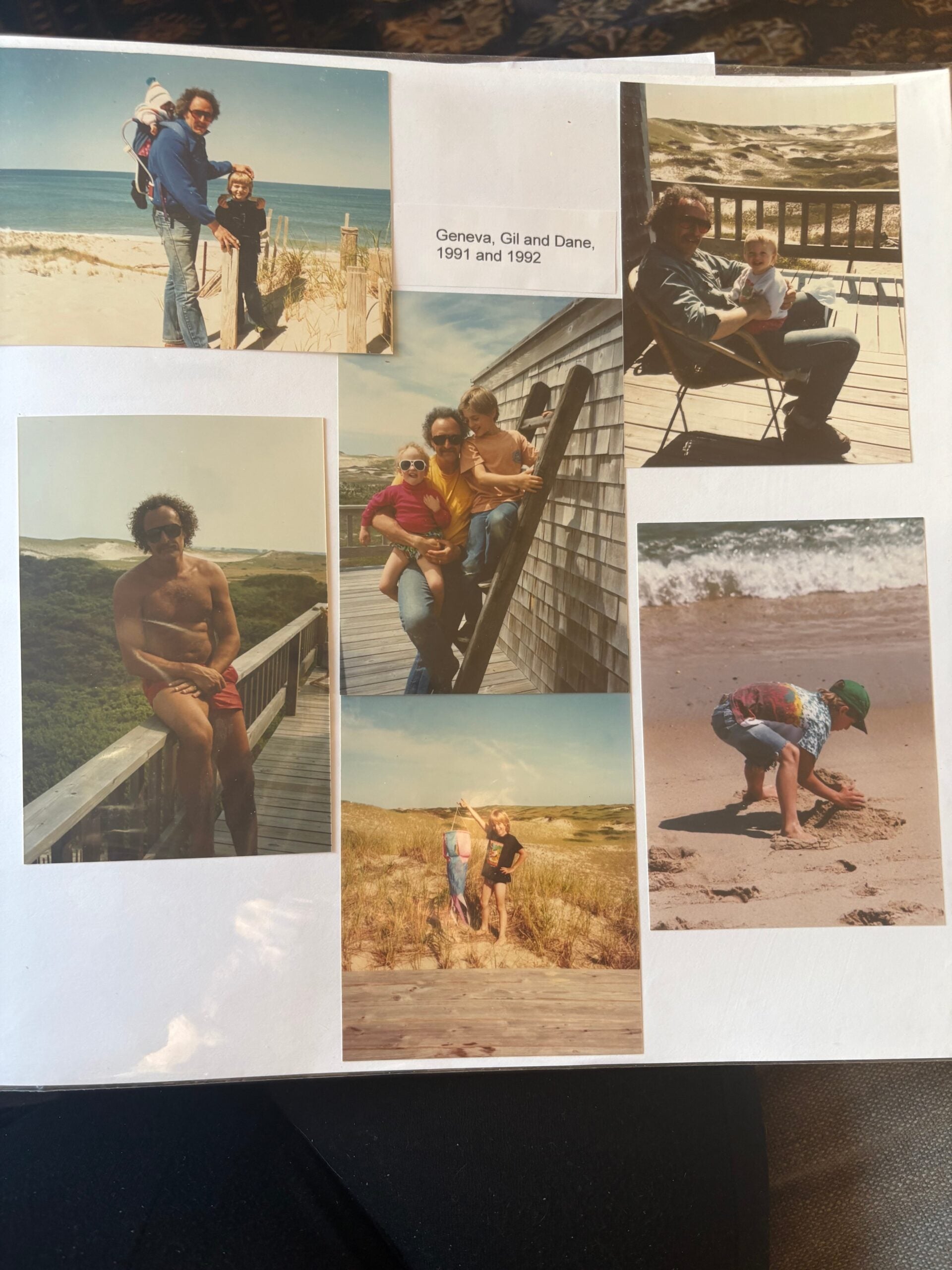
The couple spent the next year tracking down its owner, and purchased the shack. Following the creation of the Cape Cod National Seashore in 1961, the Park Service used eminent domain to take the shack in 1981. The Armstrongs were granted a lifetime estate to remain in place, and following their deaths, Janet Armstrong was issued annual Special Use Permits until the agency was ready to launch a public RFP process.
That day arrived Nov. 9.
Armstrong, who lives in Holliston when not in Truro, participated in a 2011 community process to establish a Use Plan for the shacks, which included discussion about how to proceed once the lifetime leases expired. So, she said, she was surprised to learn about the RFP’s release less than an hour before it was posted publicly.
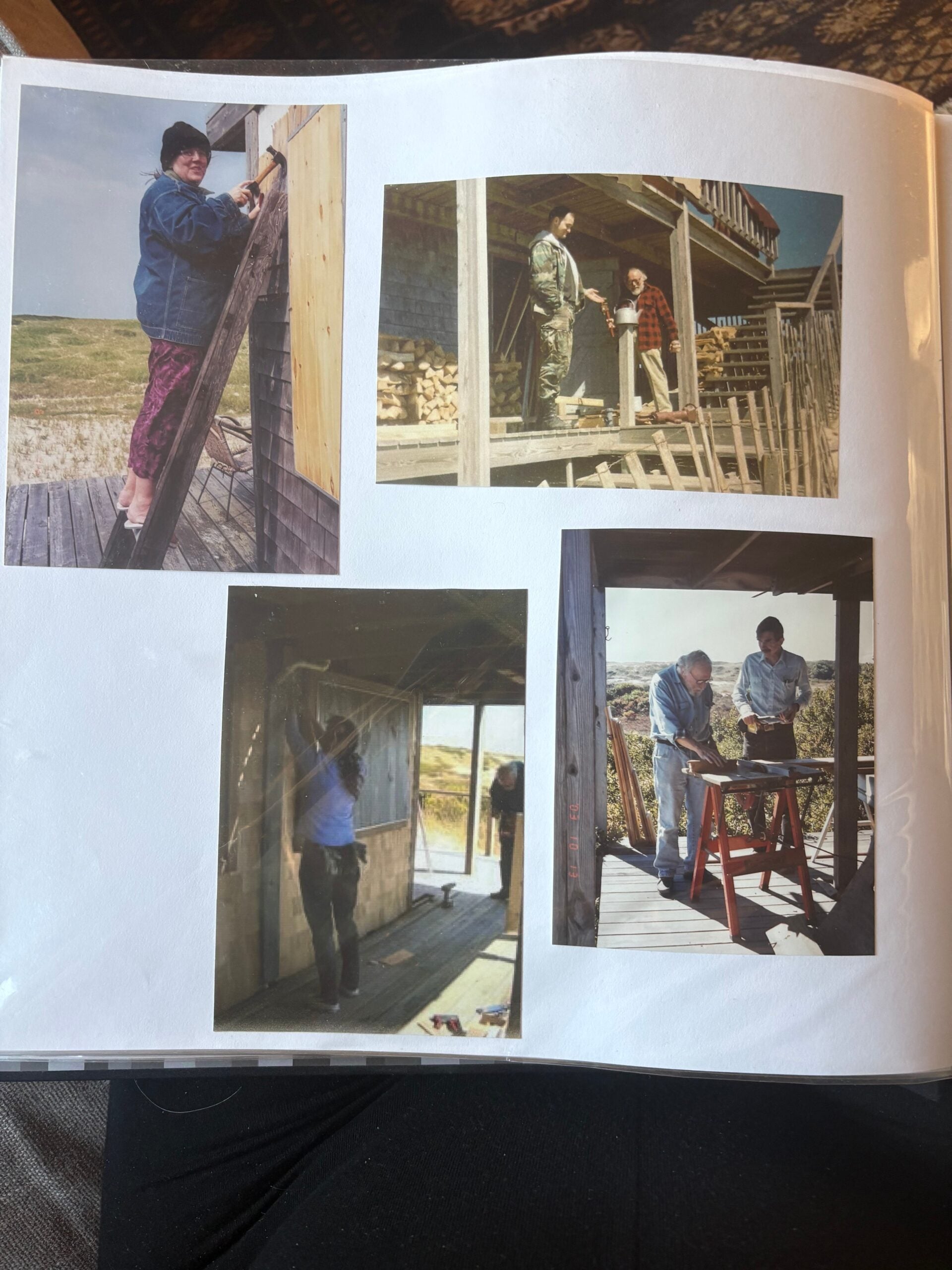
Absent from the new RFP is previous language that invited applicants to name a higher rental price in order to “enhance the competitiveness of their submission,” although Armstrong applicants may enter their own proposed rent amount as a “financial benefit” to the Park Service. The RFP lists “minimum” fair market value rent for the shack at $10,250 annually, alongside maintenance costs.
The process has drawn ire from longtime shack dwellers in recent years, who said the RFP could dissolve the colony’s inimitable way of life, signed away to the highest bidder. And while notable creative figures — Tennessee Williams, Norman Mailer and Jackson Pollock among them — were known guests of the dune shacks, the challenging work of maintaining the shacks themselves is an esoteric art itself worthy of preservation, say advocates.
Some attempts to protect the existing colony succeeded, while others did not.
The shacks were placed on the National Register of Historic Places in 2012. During the Use Plan process, dune dwellers sought additional protections through the designation of a “Traditional Cultural Property,” although the NPS abandoned the study, ultimately refuting its own consultant’s determinations.
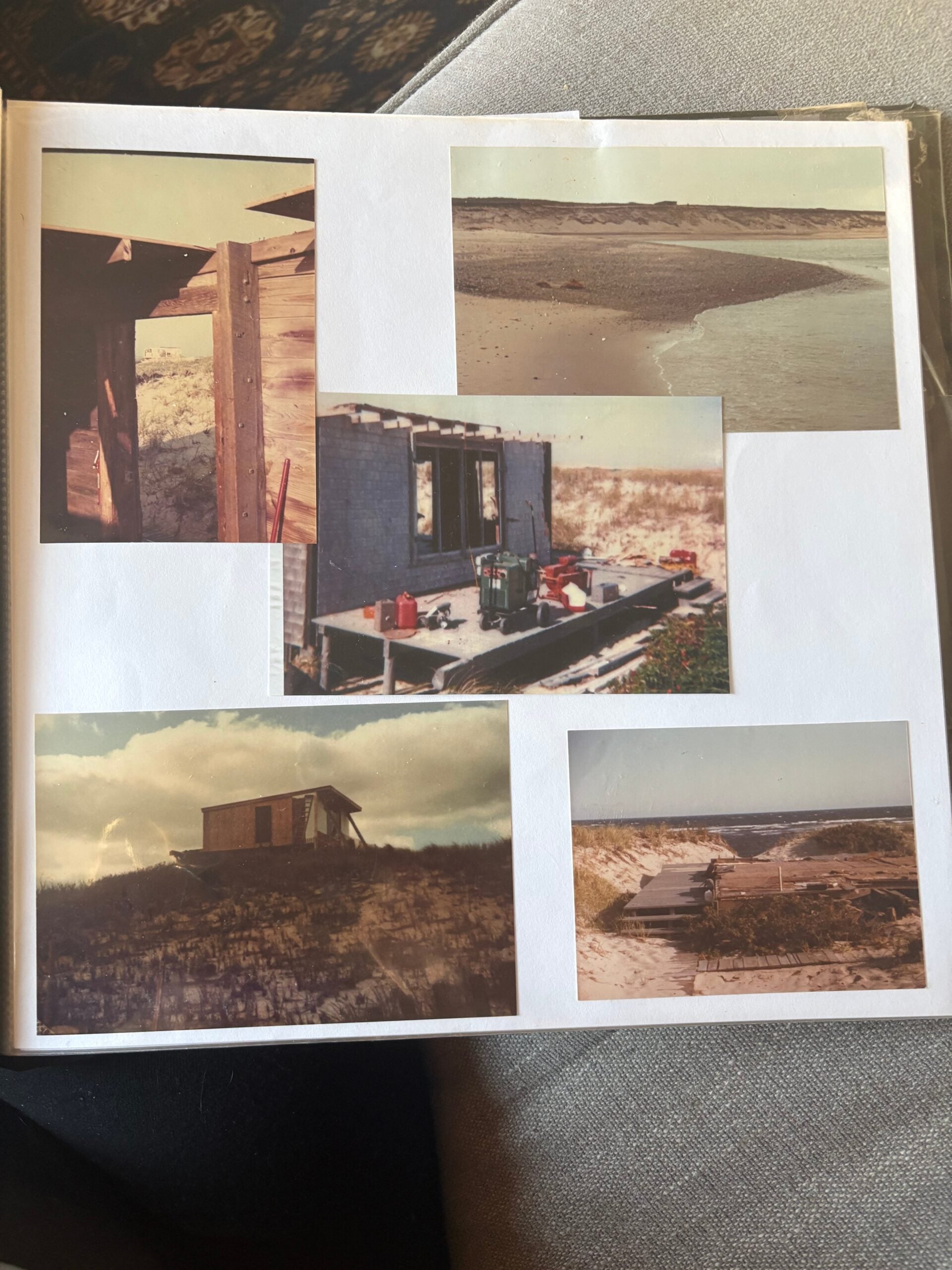
Longtime dune colony advocate Michela Murphy is the caretaker for Frenchie’s Shack, where 98-year-old painter Salvatore Del Deo received a five-year lease extension in 2023. She said that the RFP does not adequately take into consideration the uniqueness of multi-generational shack preservation, and that dune dwellers were instrumental in advocating for the creation of the National Seashore itself.
“This would be further eroding a community that’s fought against all odds to survive,” said Murphy.
The Park Service declined an interview, but an agency spokesperson said via email that “the National Park Service’s leasing program supports the continued use and preservation of these historic dune shacks while protecting their historic character.”
The agency said the National Park Service leasing staff and technical consultants will make up the evaluation panel.
According to the posted RFP, initial applications for a spring 2027 occupation are due Jan. 8, with site visits slated for the week of Dec. 7.