Log-in here if you’re already a subscriber
PHOENIX — If the spin-off of Honeywell’s aerospace business is going to deliver on its promise to customers and investors, the new company’s leadership will have to reverse a few corporate bad habits.
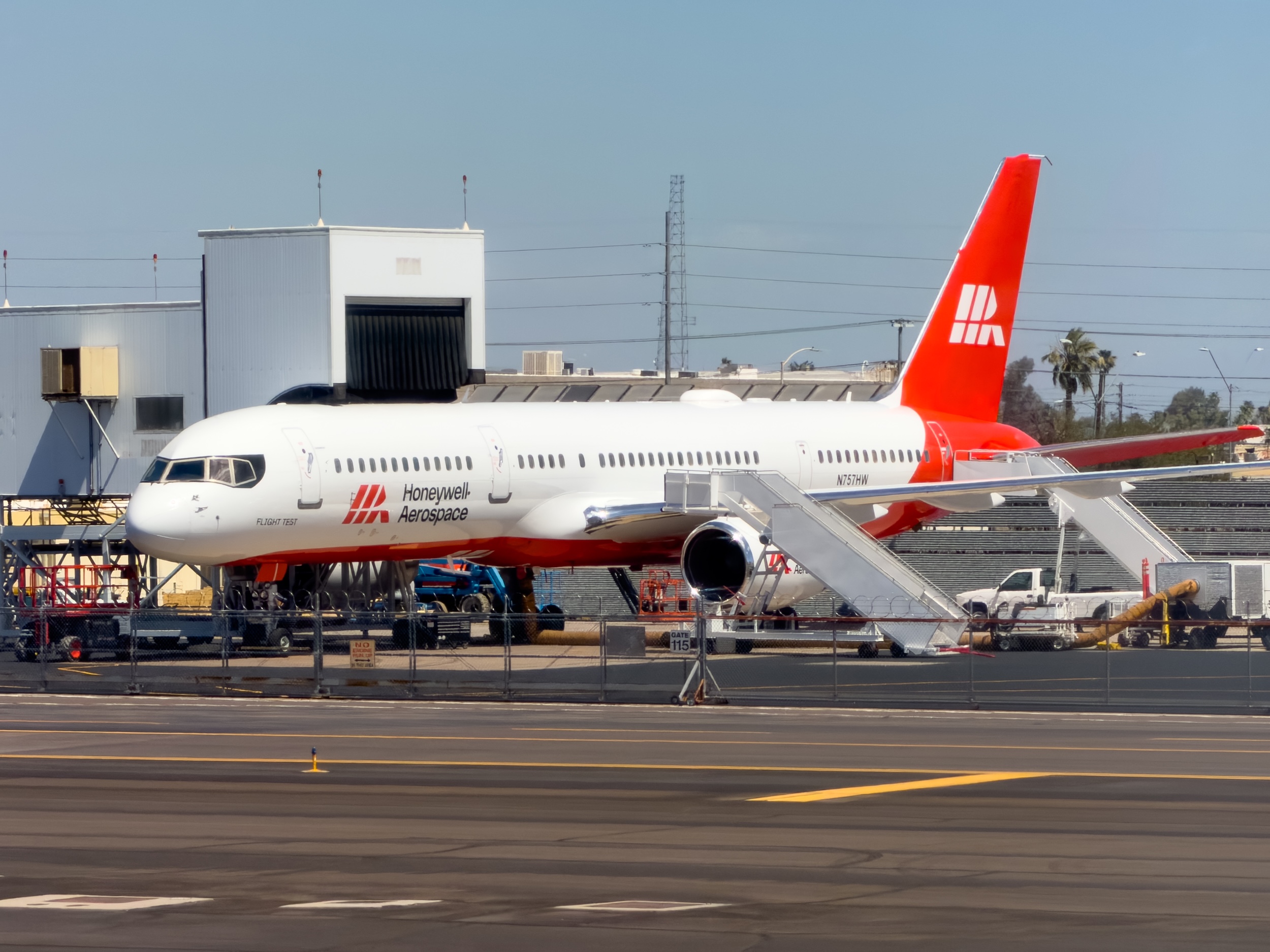
Honeywell Aerospace on Wednesday will give investors a preview of its growth prospects and strategy as a standalone company after its June 29 initial public offering. The Air Current got an advance look at that future in an interview with CEO Jim Currier.
Related: Boeing faces good and bad news as it plots 737, 787 production hikes
Dis-integrated conglomerates are a vanishing breed in North America, having given way to an emphasis on pure-play manufacturing giants keen on shortening the distance between those leading the business and delivering on the strategy.
Honeywell isn’t leading the pack in this trend, but it’s hoping to capture some of the same market enthusiasm that has caused General Electric shares to more than double since its April 2024 corporate break-up. RTX Corp., which includes the former United Technologies Corp., and Bombardier have already jettisoned non-aerospace divisions. Textron — parent to Bell, Cessna and Beechcraft — is likewise in spinoff mode, shedding industrial businesses that make golf carts and riding mowers.
The goal for Honeywell and its peers is to “unlock shareholder value,” but what does that mean in practice? First, it’s a nod to the under-investment and fight for capital that defined sprawling industrial conglomerates that had to pick between wildly differing products: MRI machines or jet engines, thermostats or auxiliary power units, financial services or flight controls.
“There really is no synergy to aerospace within the [Honeywell International] portfolio,” which led to capital allocation decisions across the enterprise that were at times “kind of subpar,” said Currier during a May 29 interview in what will become the new global headquarters of Honeywell Aerospace near Phoenix Sky Harbor Airport. “Those decisions had to come at a corporate level of a conglomerate that’s thinking about all of these other businesses, now it’s just one.”
Speaking from his office, Currier said, “At the end of the day, all those decisions are made on this floor of the building. My entire team sits within 150 feet of me.”
Subscribe to Continue Reading
Our award-winning aerospace reporting combines the highest standards of journalism with the level of technical detail and rigor expected by a sophisticated industry audience.
- Exclusive reporting and analysis on the strategy and technology of flying
- Full access to our archive of industry intelligence
- We respect your time; everything we publish earns your attention
Subscribe