
Travelers do not always look for a hotel by its name. Many of them use phrases like “near me” when they are already planning a trip arriving in a new town or just searching for a place that is easy to reach. This simple search can make a difference for a local hotel or guesthouse.
I have noticed this with places, in the hospitality industry especially. A nice guesthouse can have rooms, nice workers and good reviews but if people cannot find it online those things do not help much. The good news is that you do not need a marketing budget to get more people to see your place.
Why do travelers search for hotels “near me”?
Location matters more than many hotel owners realize.
Someone visiting Manchester for a concert might search for accommodation near the venue. A family travelling through York might look for a guesthouse to the railway station. Another traveler could simply search from their phone after arriving in town.
That is why having a local presence matters.
Your business should tell search engines where you are, what type of accommodation you offer and which nearby places might be useful to visitors. Keep your business name, address, phone number and opening information consistent, across your website and online profiles.
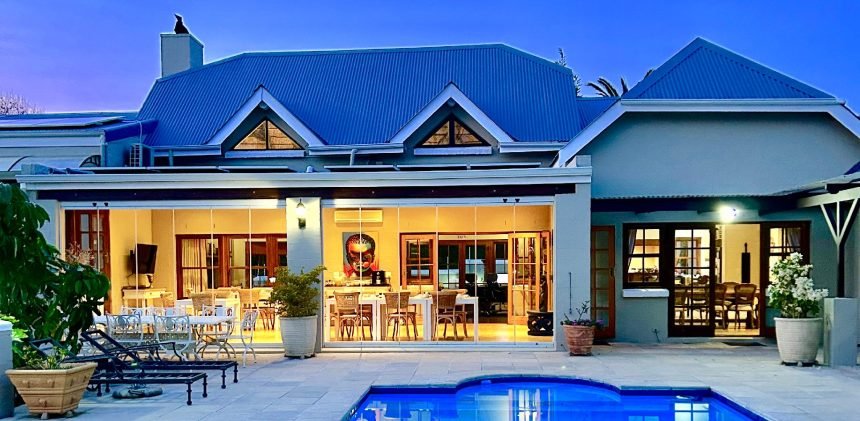
Photos help too. Not just polished bedroom shots. Show the entrance, reception area, breakfast space and nearby streets if they’re attractive. Travelers want to picture themselves.
How can your hotel appear in local searches?
Start with your Google Business Profile.
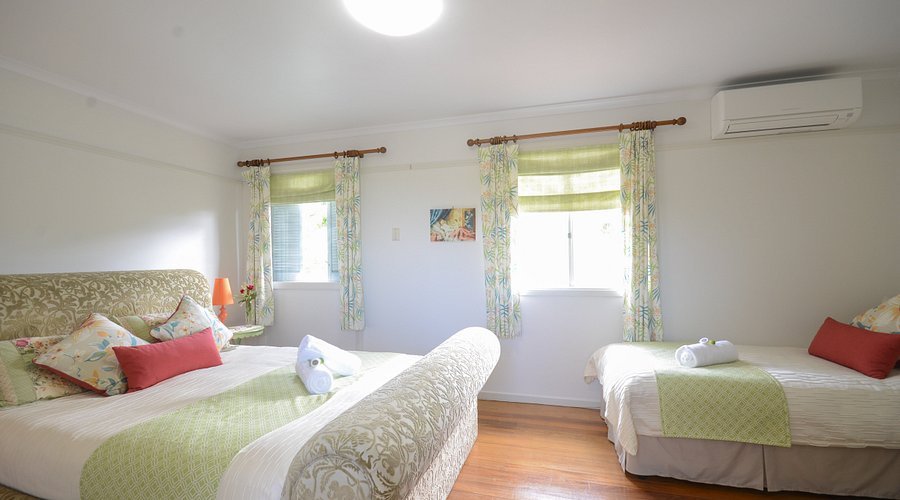
Make sure the category is correct your address is accurate. Your phone number works. Add photographs and keep your opening information updated. If you offer parking, breakfast, Wi-Fi or family rooms mention those details clearly.
Reviews are another part of the picture.
Ask guests to leave an honest review after their stay. Don’t buy reviews. Don’t ask staff or friends to pretend they’re customers either. One detailed review from a guest can say far more than a page full of vague five-star comments.
Your website also needs information. A page saying “hotel, in Leeds” is useful. You can go further. Mention attractions, transport links, business districts and popular visitor spots naturally.
What do local restaurants have to do with hotel bookings?
There is actually quite a lot.
Travelers often search for restaurants before deciding where to stay. Travelers want to know whether there will be a place to eat after checking in especially if Travelers arrive late.
A hotel website could include a local guide that covers cafés, pubs and restaurants near me. You do not need to review every business in town. Just give visitors information such as walking distance, cuisine type and whether reservations are recommended.
I once checked a guesthouse website where the owner had listed seven places to eat within a 10-minute walk. Nothing fancy. It made the area feel much more convenient to someone who had never visited before.
There is another benefit. Local businesses can link to each other mention one another, on media and create useful partnerships. A guesthouse recommending a restaurant can sometimes lead to the restaurant returning the favor.
How can “best restaurants near me” searches bring more attention?
People searching for the restaurants near me often are ready to make a decision. People searching for the restaurants near me do not need to research for an hour. People searching for the restaurants near me want a place that is nearby, trustworthy and easy to reach.
Hotels can use this behavior to improve their local content. Hotels can create pages such as “Where to Eat Near Our Guesthouse” or “Best Places to Eat Within Walking Distance”. Hotels can include distances where possible. A traveler will appreciate knowing that one restaurant is two minutes away while another is a 15‑minute walk.
Do not stuff the page, with keywords. Write it like you are helping a guest who has just arrived and asks, “Where can I get dinner?” That is a better approach.
Why do restaurant listings matter to hospitality businesses?
Restaurant listings can help people who visit understand the area near your place. They can also help businesses that want to get to know other companies.
If your hotel works with restaurants, coffee shops or things to see nearby show those links where it makes sense. You could add a section on your website called “Eat and Drink Nearby.”
Make sure to check the details. Restaurants can close. Hours can change. Menus can go away.
I have seen local travel pages still suggesting businesses that stopped working two years. That makes the whole website seem like it is not taken care of.
Keep it up, to date.
How does restaurant online presence affect your hotel?
Having a restaurant online presence can actually make a whole area look much better to travelers.
I want you to think about this from the point of view of a guest. Guests are not just booking a bed. Guests are choosing an experience. If guests can quickly find food, attractions, transport and things to do around your accommodation then booking feels a lot easier.
Hotels can get a lot of help from this without having to act like food bloggers.
You should mention a few local businesses. It is an idea to link to their official websites where it is useful. You can create a neighbourhood guide. You can also add maps or simple directions. These small touches can make your website more useful, than a basic booking page.
What can hotels learn from local restaurant marketing?
Good local restaurant marketing often focuses on convenience. Restaurants make it simple to find their menu, location, opening hours, reviews and contact information. Hotels should do the same.
Your booking button should be easy to see. Your phone number should not be hidden. Mobile users should not have to pinch and zoom around a website just to find availability.
Look at your website on your phone. Can someone find your location in five seconds? Can they see room photos? Can they understand your prices? Can they contact you without searching around? If not fix those things first. You do not need to change everything at.
One page, one listing, one update, at a time.
What should a small hotel do first?
Start with the basics.
Update your Google Business Profile. Check your websites contact details. Add photographs. Ask guests for genuine reviews. Create one local guide covering food, attractions and transport.
Then look at where your business appears
Your hotel name, address and phone number should match wherever travelers find you. If your details are different across websites correcting them can make your local presence much clearer.
Don’t forget mobile search. Most people aren’t sitting at a desktop when they need a hotel. They’re walking around with a phone, in their hand searching quickly and comparing options. Travelers can also discover more local businesses, services, and travel-related options through Hispanic Businesses TV
That moment matters.
FAQs
- How can a guesthouse get bookings from Google?
You should keep your Google Business Profile accurate. You must collect reviews from guests. Use high-quality photos of your rooms. Also make sure your website focuses clearly on your location and accommodation.
- Should hotels create local area guides?
Yes, they should. Guides that talk about restaurants, attractions, transport and nearby activities are great. These guides give travelers information. At the time these guides help search engines understand your location.
- How often should a hotel update its information?
You need to check details regularly. Please look at your opening information, photographs, amenities, prices and local recommendations often. Outdated information can quickly damage trust with your guests.
Are you ready to get more travelers noticing your hotel? You can start by working on your listings. You should also improve your website. Make your website genuinely useful, for someone planning a stay. Small changes can bring good results.