The community-selected name for the Preston Highway corridor is so much more than a rebranding initiative. It is a profound recognition of a community who has poured heart and soul into the South End.

Humberto Lahera Gonzalez’s journey from Cuba led him to the 2025 Kentucky Derby
Cuban artist Humberto Lahera Gonzalez says he arrived in Louisville at the perfect moment. Just a few years later, his work is part of the 2025 Kentucky Derby. Read his story at courier-journal.com
- Louisville has officially named the Preston Highway corridor La Villa Lou to recognize its Hispanic community.
- The initiative aims to make the city’s Latino population, which has grown significantly since the early 2000s, more visible.
- La Villa Lou celebrates the Hispanic culture and entrepreneurship that have revitalized the South End.
In 2001, when my family first moved to Louisville, the city felt vastly different than it does today. I enrolled at Doss High School, and back then, I was one of only a handful of Latino students walking those hallways. I love my alma mater and I am incredibly proud to be a Doss alumnus. But if I am being completely honest about that time, there were moments when a heavy sense of isolation crept in. At times, I got the distinct feeling that the school — and by extension, the city — wasn’t necessarily all that proud of me, or quite ready to embrace the community I represented.
We were here, we were working and we were contributing. But visually and culturally, we were largely invisible to the broader community.Fast forward to today. As the executive director of the Americana Community Center, I get to see the beautiful, sprawling tapestry of Louisville’s immigrant and international communities every single day. And recently, our city took a massive, historic step forward in ensuring that the feeling of invisibility I felt in 2001 is a thing of the past for the next generation of Louisvillians.
Making the Hispanic community visible
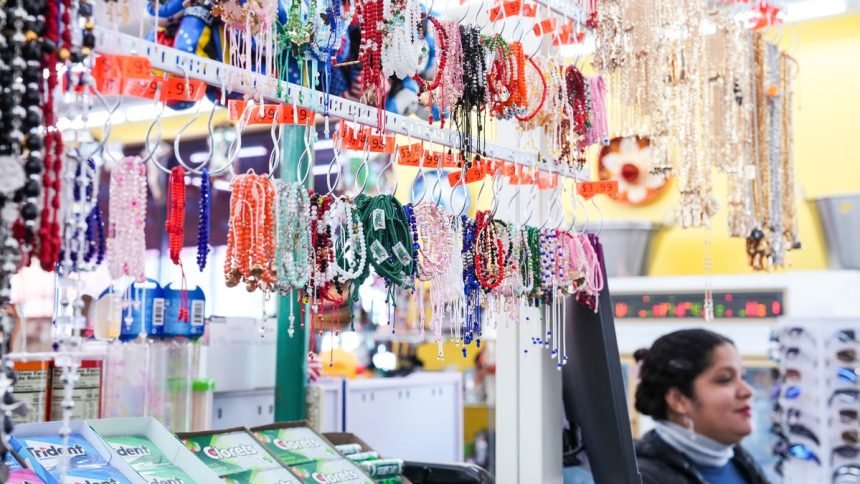
Mayor Craig Greenberg’s announcement of La Villa Lou — the community-selected name for the Preston Highway corridor — is so much more than a rebranding initiative. It is a profound, overdue validation of a community that has poured its heart, soul and economic engine into the South End.For years, the Preston Highway corridor has been a bustling hub of Hispanic culture and entrepreneurship. It is a place where small business owners have transformed vacant storefronts into thriving panaderías, taquerías and specialty shops. Yet, for too long, this vital contribution went without formal acknowledgment.By officially naming this stretch La Villa Lou, dedicating its first stunning public mural by Haley Bass and launching initiatives like the Passport Challenge, Louisville is doing something powerful: it is making our community visible.This initiative gives much-deserved recognition to the thousands of Latino residents who call Louisville home. It signals to every immigrant entrepreneur, every working family and every young student currently sitting in a local classroom — perhaps feeling just as isolated as I did 25 years ago — that they belong here. It says that Louisville is not just tolerating our presence, but actively proud of our heritage and our impact.
La Villa Lou celebrates cultural diversity and economic equity
Combined with crucial economic backing, like the proposed Big Street, Small Business funds and multilingual training through the REACH program, La Villa Lou is a blueprint for how a city can celebrate cultural diversity while intentionally investing in economic equity.We have come a long way since 2001. We are no longer just a few scattered faces in a crowd; we are an integral part of Louisville’s identity and its future. La Villa Lou is a beautiful testament to that growth, and a promise that in the city we all love, everyone deserves to be seen.
Ricky Santiago currently serves as the executive director for Americana Community Center. He has served for over eight years in local government, starting in the former Office for Globalization where he established what is now known as the Global Leadership Academy and worked to make Louisville the second city ever to earn Welcoming City Certification by Welcoming America.