


In 2026, Latina entrepreneurs are no longer an emerging trend—they are a driving force behind small business success across the United States. From Los Angeles to Miami, Chicago to San Antonio, Latina founders are making headlines for their innovation, resilience, and cultural impact.
Recent data from the Stanford Latino Entrepreneurship Initiative shows that Latina-owned businesses have grown by 87% over the past decade, making them one of the fastest-growing segments in the U.S. economy. Today, Latina entrepreneurs are building brands, creating jobs, and transforming local economies at an unprecedented rate.
Platforms like Confemedia and Confe.io continue to highlight how these founders are leveraging digital tools, social media, and AI-driven strategies to scale their businesses and reach national audiences.
Why Latina Entrepreneurs Are Making Headlines in 2026
The rise of Latina entrepreneurs is being fueled by a combination of economic opportunity, digital transformation, and cultural influence.
Key Drivers Behind the Growth
- Increased access to online business platforms and e-commerce
- Strong community support within Hispanic markets
- Growth of Latina-focused funding and mentorship programs
- Rising demand for culturally relevant products and services
In 2026, local news outlets across major U.S. cities are consistently featuring Latina entrepreneurs who are disrupting industries and redefining success.

Los Angeles: Scaling Latina-Owned Beauty and Media Brands
Los Angeles remains one of the most influential ecosystems for Latinas, particularly in beauty, media, and consumer products.
One of the strongest examples is Rizos Curls, founded by Julissa Prado. The brand has achieved nationwide retail distribution through Target and Ulta Beauty, making it one of the most visible Latina-owned haircare brands in the U.S.
What makes Rizos Curls particularly significant is its positioning: it targets the underserved curly hair market with culturally relevant branding. This strategy has allowed the company to scale from a garage startup into a nationally recognized clean beauty brand.
In media and publishing, Lil’ Libros, co-founded by Patty Rodriguez, has become a best-selling bilingual children’s book brand on Amazon, filling a major gap in Latino cultural representation.
Los Angeles stands out because Latinas here are not just launching businesses—they are building scalable brands with national retail and media distribution.
San Antonio, Texas: Latina-Owned Brands Moving Headquarters for Growth
San Antonio has recently emerged as a strategic growth hub for Latina entrepreneurs, especially in consumer packaged goods and beauty.
A key example is Nopalera, founded by Sandra Velasquez. The brand has expanded into major retailers like Nordstrom, Credo Beauty, and Free People, positioning itself as a premium Latina-owned skincare company.
In 2025, Nopalera relocated its headquarters to San Antonio, citing strong Latino market demand and cultural alignment. The city is already one of its top-performing sales markets, alongside Los Angeles and Chicago.
This move highlights an important trend:
Latina entrepreneurs are choosing cities where cultural identity aligns with consumer demand—turning local markets into national scaling hubs.
National Beauty & Consumer Market: Billion-Dollar Latina Influence
Instead of limiting to weaker city examples, the strongest growth of Latina entrepreneurs is visible in national-scale consumer brands.
For example:
- It’s a 10 Haircare, founded by Carolyn Aronson, has grown into a global professional haircare brand sold in salons and retailers worldwide
- Latina-founded brands like Beautyblender (Rea Ann Silva) and Nopalera are now part of major retail ecosystems
Across the beauty sector, Latina founders are building brands that:
- Secure mass retail distribution
- Compete in premium pricing segments
- Expand into international markets
This demonstrates that Latina entrepreneurs are no longer “small business owners”—they are becoming category leaders.
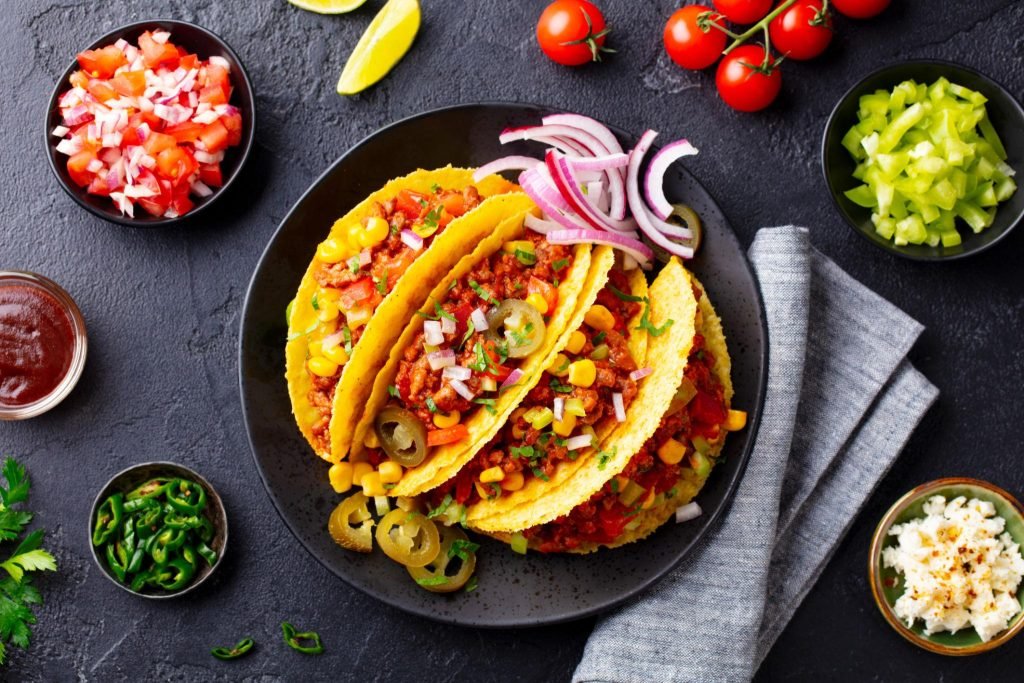
Food & Consumer Goods: Latina Entrepreneurs Building Cultural Brands
In the food industry, Latina entrepreneurs are also scaling rapidly.
Brands like Siete Foods, co-founded by Veronica Garza, have grown into a multi-million-dollar Mexican-American food company, distributing products across major U.S. grocery chains.
What makes companies like Siete Foods unique is their strategy:
- Cultural authenticity (Mexican heritage recipes)
- Health-focused products (grain-free, gluten-free)
- Nationwide retail expansion
This combination allows Latina entrepreneurs to dominate niche markets while scaling into mainstream retail.
Financial Education & Digital Business: The Rise of Latina-Led Platforms
Another fast-growing category is financial education and digital entrepreneurship.
Entrepreneurs like:
- Jully-Alma Taveras (Investing Latina)
- Linda García (In Luz We Trust)
have built platforms helping Latina communities build wealth and financial literacy.
For example, Linda García reportedly grew $7,200 into over $400,000 in investments, then turned that knowledge into scalable education programs.
This shows a major shift:
Latina entrepreneurs are not just selling products—they are building knowledge-based digital businesses with scalable revenue models.
Industries Where Latina Entrepreneurs Are Thriving
Across the United States, Latina entrepreneurs are dominating several high-growth industries:
1. Beauty and Personal Care
Latina founders are building culturally inspired beauty brands that resonate with diverse consumers.
2. Food and Beverage
Restaurants, bakeries, and catering businesses led by Latina entrepreneurs are gaining national recognition.
3. Digital Media and Technology
From content platforms to tech startups, Latina founders are entering high-growth digital industries.
4. Health and Wellness
Fitness, mental health, and holistic wellness businesses are increasingly led by Latina entrepreneurs.
5. E-commerce and Retail
Online stores and product-based businesses are helping Latina entrepreneurs scale faster than ever before.
The Economic Impact of Latina Entrepreneurs
The economic contribution of Latina entrepreneurs is significant and growing rapidly.
- Latina-owned businesses generate over $1.3 trillion annually in economic output
- They represent one of the fastest-growing segments of women-owned businesses
- Latina entrepreneurs are creating jobs across local communities
- They are strengthening supply chains and supporting minority-owned ecosystems
These numbers highlight how Latina entrepreneurs are not only building successful businesses but also shaping the future of the U.S. economy.

How Digital Platforms Are Accelerating Latina Entrepreneurs
In 2026, digital tools are playing a major role in the success of Latina entrepreneurs.
Key Digital Growth Channels
- Social media platforms like Instagram and TikTok
- E-commerce platforms such as Shopify
- AI-powered marketing tools
- Online communities and mentorship networks
Platforms like Confemedia and Confe.io continue to amplify the voices of Latina entrepreneurs, helping them gain visibility and connect with broader audiences.
Challenges Latina Entrepreneurs Still Face
Despite their rapid growth, Latina entrepreneurs continue to face several challenges:
- Limited access to capital and funding
- Underrepresentation in venture capital networks
- Language and cultural barriers in certain markets
- Scaling challenges for small businesses
However, many Latina entrepreneurs are overcoming these barriers through innovation, community support, and strategic use of digital tools.
The Future of Latina Entrepreneurs in the U.S.
The future looks incredibly promising for Latina entrepreneurs.
In the coming years:
- More Latina founders will enter the tech and AI sectors
- Funding opportunities will expand for minority women-owned businesses
- Latina entrepreneurs will gain greater representation in leadership roles
- Local businesses will continue scaling into national brands
As these trends continue, Latina entrepreneurs will remain at the forefront of innovation and economic growth in the United States.
Latina Entrepreneurs Are Reshaping America’s Business Landscape
In 2026, Latina entrepreneurs are making headlines across U.S. cities for all the right reasons. Their businesses are thriving, their stories are inspiring, and their impact is undeniable.
From Los Angeles to Chicago, Miami to San Antonio, Latina entrepreneurs are transforming local economies, creating opportunities, and redefining what success looks like in modern America.
Their journey is not just about business growth—it is about cultural influence, community empowerment, and building a legacy for future generations.
FAQs
1. Why are Latina entrepreneurs growing so fast in the U.S.?
Latina entrepreneurs are leveraging digital tools, community networks, and growing market demand for culturally relevant products.
2. Which cities have the most Latina entrepreneurs?
Los Angeles, Miami, San Antonio, and Chicago are key hubs for Latina entrepreneurs.
3. What industries are popular among Latina entrepreneurs?
Beauty, food, wellness, digital media, and e-commerce are leading industries.
4. What challenges do Latina entrepreneurs face?
Access to funding, limited representation, and scaling challenges are common barriers.
5. How are Latina entrepreneurs using technology?
They use social media, AI tools, and e-commerce platforms to grow and scale their businesses.