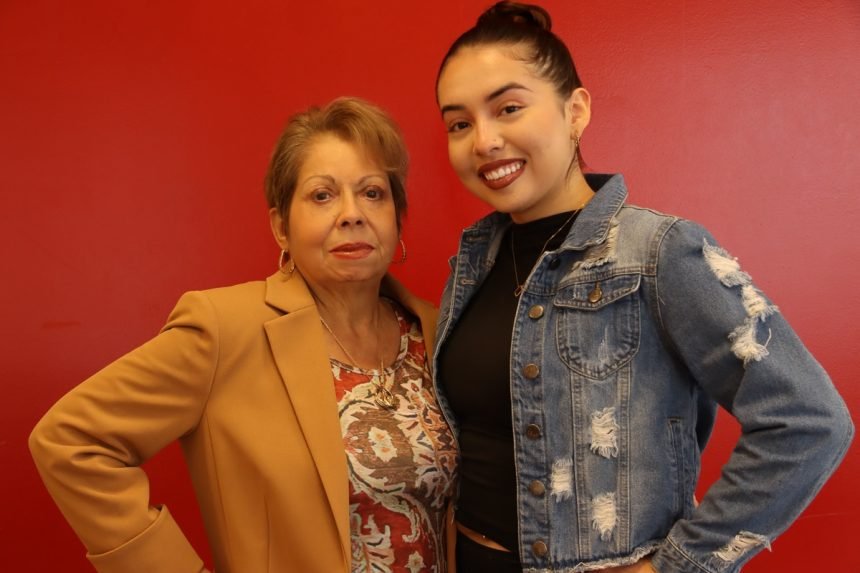
Some allow the past to fade into obscurity, but not Galilea Bahena. The Grand Valley State University junior is working to preserve the history of Hispanic businesses in West Michigan, ensuring that their stories are remembered for generations to come.
Her research will be part of the latest installment in the Grand Rapids Public Museum’s GR Stories series, which in the past featured the histories of the Polish and Vietnamese communities in Grand Rapids. Bahena’s participation is being funded by GVSU’s Kutsche Office of Local History.
Bahena, who grew up in Holland, is a first-generation college student and the daughter of Mexican immigrants. Her research into the history of Hispanic-owned businesses in her hometown and Grand Rapids is opening her eyes to the long-standing ties in her community, and she hopes it can do the same for others.
“Growing up in Holland, I used to hardly see any Latinos at the park or at Walmart. Now I realize we’ve always been here,” she explains.
Her biggest motivation for the research is to understand her community’s roots in the area.
“This project lets me uncover stories I never knew existed,” Bahena says. “I’ve been going through archives, finding businesses I’ve passed my whole life without realizing they were Latino-owned. It’s helping me understand where we come from and how much our community has built here.”
Awareness and advocacy
But Bahena’s desires extend beyond this project. At GVSU, she founded Belong Beyond Borders, a club dedicated to immigration advocacy, which is part of her larger mission to become an immigration attorney. She is also working toward a Congressional internship.
She began fighting for awareness and advocacy after college reshaped her thinking.
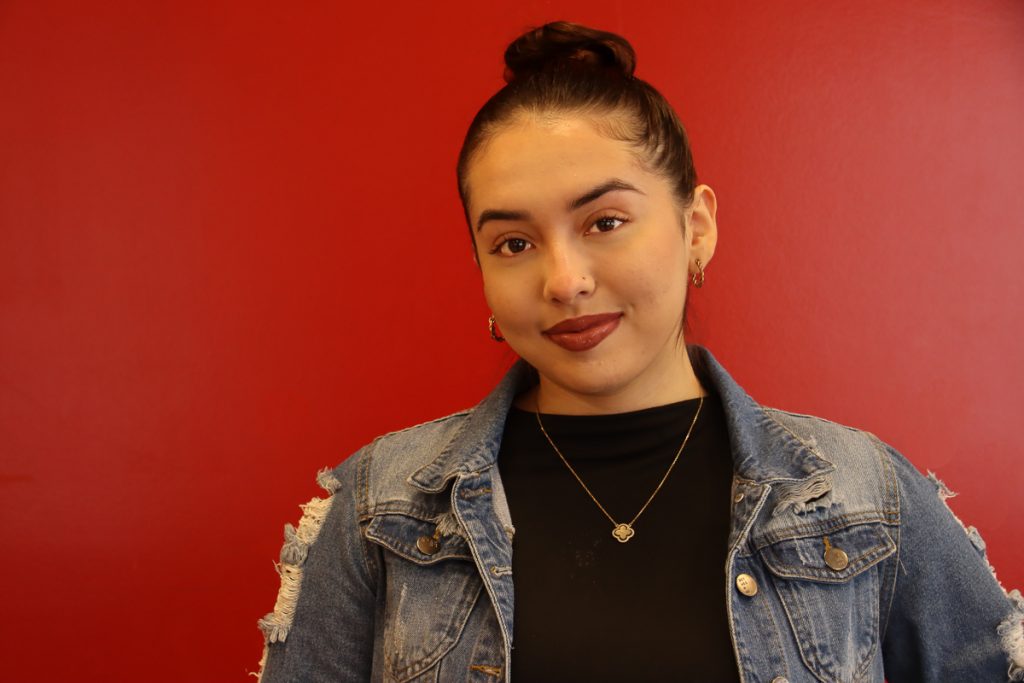
“In college, I started realizing how much I was never taught,” Bahena says. “I learned about things like Operation Wetback in 1954 and how harsh laws have been toward Latinos. None of that was in my textbooks, and it honestly broke my heart.”
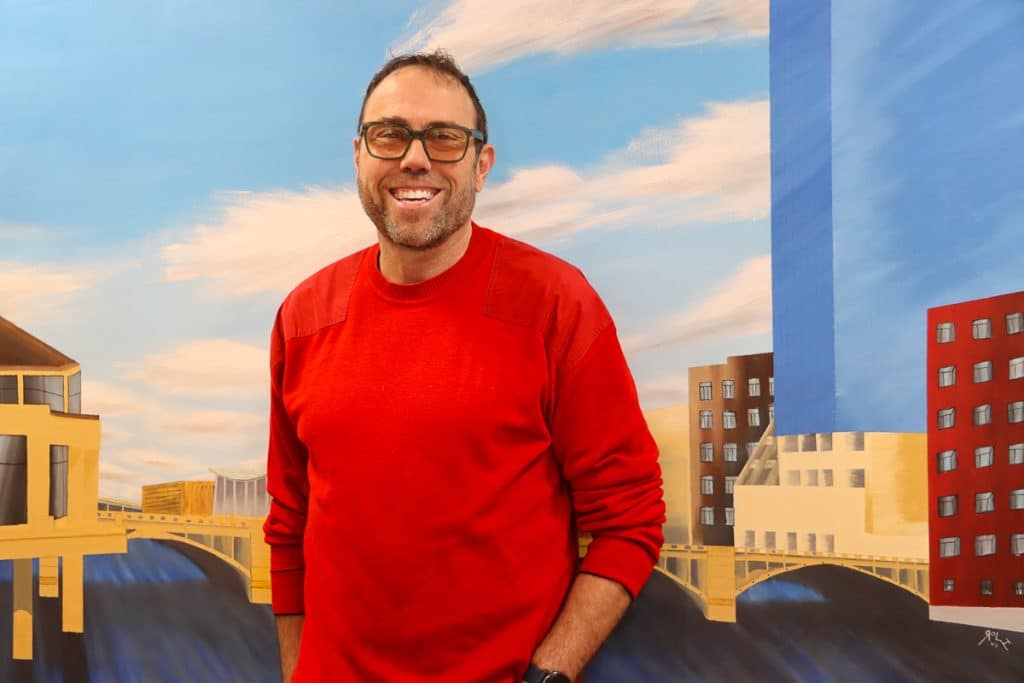
Bahena isn’t the only one who is working to preserve these stories. Her partner on the project is Tony Baker, a sociology professor at Ferris State University who is deeply involved in civil rights history projects at the Public Museum.
Baker is a community scholar for the museum and worked on past projects, but he holds a more prominent role in this one, which looks at the past 100 years of Hispanic-owned businesses.
“After I finished a project on the Vietnamese community, I showed the exhibit panels to
Guillermo Cisneros, the CEO of the Hispanic Chamber. He looked at them and said, ‘We need this for Hispanic businesses.’ That moment is really what launched this whole project — the realization that we couldn’t wait any longer to tell these stories.”
Bahena and Baker hope to unveil this exhibit in 2026 to coincide with the opening of a new building for the Hispanic Chamber of Commerce.
Tapping the experience of elders
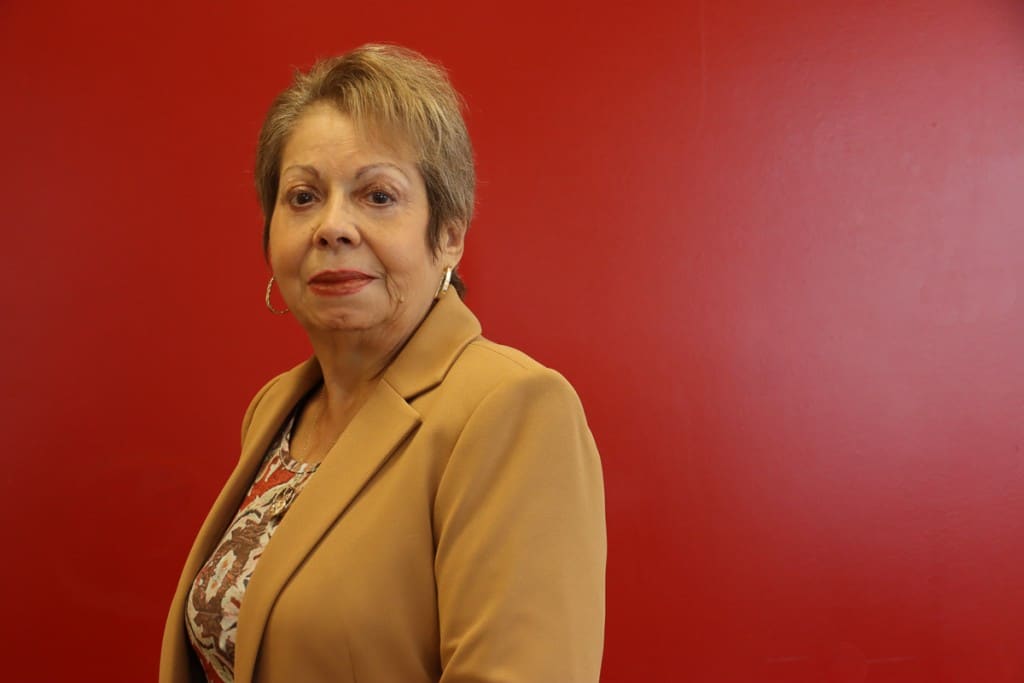
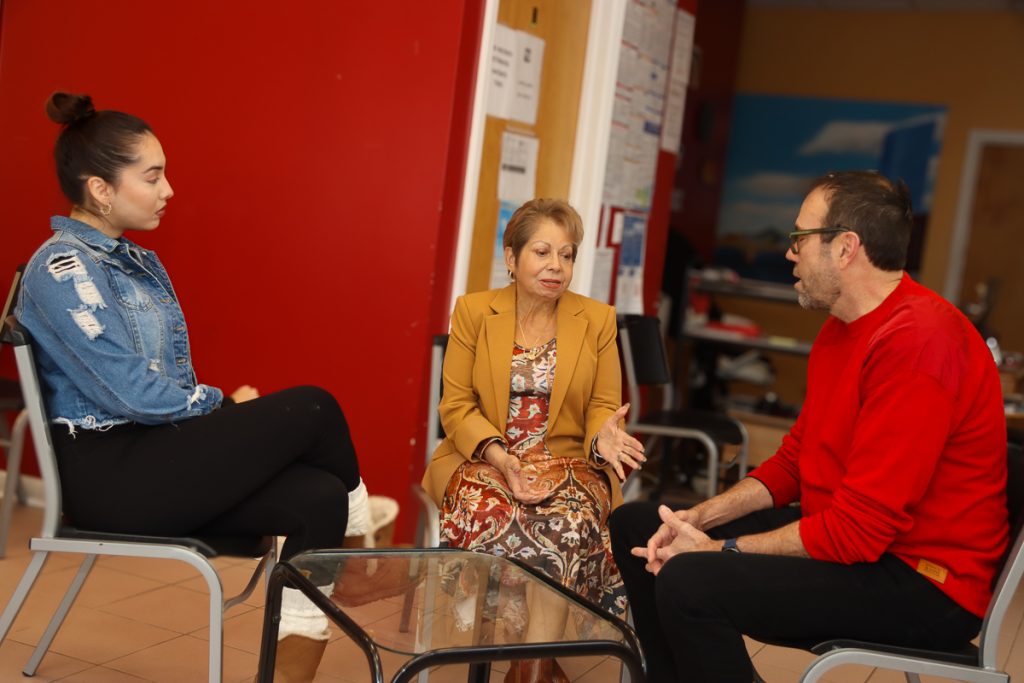
Their work is multifaceted, with oral histories by business owners and their families at the forefront. Alongside that is archival work, primarily using Hope College’s records. But there’s more than just facts being learned, according to Baker.
“For me, the best part is sitting with these elders and hearing their stories, and then seeing someone like Galilea light up in the room. Watching her realize she’s connected to this history—that alone makes the whole project worth it.”
A major challenge adding urgency to their work is time. When talking about this project with the Hispanic Chamber, they realized that these stories would die with those who could tell them.
“Most of the people we’re talking to are in their 70s and 80s,” Baker explains. “Twenty years from now, they won’t be giving interviews.”
There are other less time-sensitive issues. Fact-checking is of the utmost importance, as is making sure a story is complete.
As Baker says, “for a lot of people, this might be the only thing they ever learn about Mexican business owners in the 1960s, so if we leave something out or misconstrue it, that really matters.”
But the challenges are easily outweighed by the positive change the stories create, Baker says, because they can inspire people. The community elders he speaks to have a lot of wisdom that is worth sharing. History isn’t only about cataloguing the past, it’s about inspiring the future.
“Gen Z students want to change the world, but often they don’t realize the people who know how are sitting in their churches, in their restaurants, in their families. Honestly, every Gen Z person should be interviewing their grandmother at Christmas dinner. We have no idea what knowledge they’re carrying.”
This is true for Bahena, who is part of Gen Z. Working on this exhibit has given her a refreshed perspective on her own community. As someone who is working to advocate for her community and hopes to continue to do so as an immigration attorney, she sees the value in using history as an inspiration.
“Looking into 100 years of Latino businesses shows how long we’ve been building community here,” she says. “Even when our presence wasn’t visible or recognized, people were creating businesses, opening doors for others, and fighting for space. We’ve been shaping West Michigan longer than most people realize.”
Photos by Tommy Allen
Luke Fann is a junior at City High Middle School, where he has been an editor for the school newspaper, The City Voice, since 2022 and a journalist since 2021. He writes about current events and technology. He also enjoys creative writing, especially fantasy and sci-fi. Luke has won several awards for his writing at MSU’s MIPA Summer Journalism Workshop for creative storytelling and the art of storytelling.
To learn more about Rapid Growth’s Voices of Youth project and read other installments in the series, click here. This series is made possible by underwriting sponsorships from the Steelcase Foundation, Frey Foundation, PNC Foundation, and Kent ISD.