

The 2026 FIFA World Cup is bringing millions of customers, tourists, and sports fans into local markets across North America. For many small businesses, this represents a rare opportunity to increase sales and attract new customers.
But there’s a problem.
Most businesses focus only on making money during the event. They create promotions, offer discounts, and enjoy a temporary increase in traffic. Then the tournament ends, customer numbers drop, and everything returns to normal.
Smart businesses think differently.
Instead of asking, “How much can I make during the World Cup?” they’re asking a better question:
“How can I turn these World Cup customers into customers who stay with me for years?”
The businesses that answer this question correctly will benefit long after the final whistle.
Stop Thinking About Transactions. Start Thinking About Relationships.
One of the biggest mistakes small businesses make during major events is treating every customer as a one-time sale.
Imagine a restaurant that serves 2,000 additional customers during the World Cup. If those customers never return, the business only receives a temporary boost.
But what if just 10% of those customers became repeat customers?
That’s 200 new long-term customers generated from a single event.
Every World Cup customer should be viewed as a future customer, not simply today’s customer.
This mindset changes everything:
- How you market
- How you serve customers
- How you collect information
- How you follow up
- How you build loyalty
The goal isn’t just to increase sales this month.
The goal is to increase customer lifetime value.
Collect Customer Information Before They Leave
Most small businesses miss their biggest opportunity at the checkout counter.
If customers walk away without leaving any contact information, you lose the ability to market to them again.
During the World Cup, every business should focus on building its own customer database.
You can collect:
- Email addresses
- Phone numbers
- Social media follows
- Loyalty program registrations
- SMS subscribers
Offer customers something valuable in return:
- A future discount
- A free product
- VIP membership
- Exclusive offers
- Early access to promotions
For example:
“Join our VIP club today and receive 20% off your next visit.”
This simple strategy transforms anonymous visitors into reachable customers.
Create a Loyalty Program Immediately
Customers love rewards.
A loyalty program gives customers a reason to return after the World Cup excitement disappears.
You don’t need expensive software.
Simple loyalty programs work well:
Restaurants
Buy 9 meals, get the 10th free.
Coffee Shops
Purchase 10 drinks, receive one free.
Retail Stores
Earn points for every purchase.
Service Businesses
Receive discounts after multiple visits.
The key is introducing loyalty while customer excitement is still high.
The World Cup creates emotional experiences.
Loyalty programs turn those emotions into long-term habits.

Deliver an Experience Worth Remembering
People rarely remember discounts.
They remember experiences.
During the World Cup, ask yourself:
“What will customers remember about my business?”
Examples include:
- Exceptional customer service
- Friendly staff
- Unique decorations
- Interactive experiences
- Personalized attention
- Fast service
- Community atmosphere
Consider two sports bars.
One simply shows the match.
The other creates:
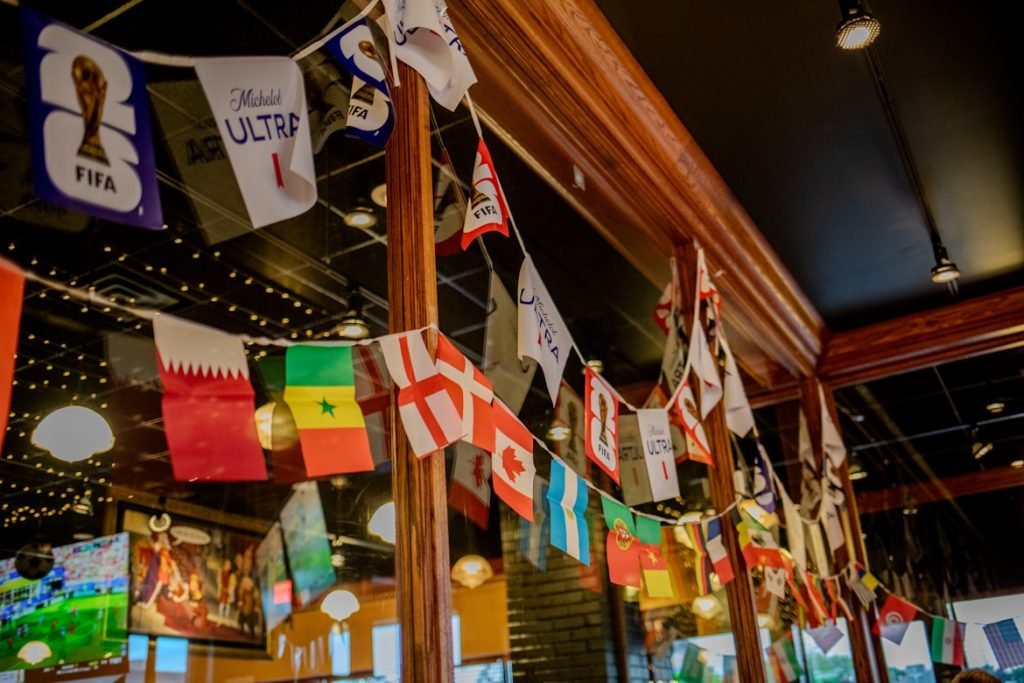
- Team-themed decorations
- Prediction contests
- Photo opportunities
- Fan celebrations
- Exclusive menu items
Which one will customers remember?
Experience creates emotional connections.
Emotional connections create loyalty.
Ask for Reviews While Customer Satisfaction Is High
World Cup customers are often excited, engaged, and happy.
This makes it the perfect time to request reviews.
Positive reviews help businesses long after the tournament ends.
Benefits include:
- Improved Google rankings
- Greater trust
- Higher conversion rates
- Increased local visibility
- More future customers
Train employees to ask:
“If you enjoyed your experience today, we’d really appreciate a Google review.”
You can also use:
- QR codes
- SMS requests
- Email follow-ups
- Receipt reminders
A temporary surge in customers can permanently improve your online reputation.
Use Social Media to Stay Connected
Many businesses lose customers because they stop communicating after the sale.
Social media gives you an opportunity to maintain relationships.
Encourage customers to:
- Follow your Instagram account
- Join your Facebook page
- Subscribe to your TikTok content
- Participate in future promotions
Then continue providing value through:
- Special offers
- Helpful content
- Behind-the-scenes videos
- Customer stories
- New product announcements
People buy from businesses they remember.
Social media helps ensure they don’t forget you.
If you’re looking to strengthen your social media strategy, platforms like confemedia can help businesses improve their digital visibility through content marketing, social media management, and online branding. For teams managing multiple social accounts, Confe.io (http://confe.io/) makes it easier to plan, schedule, and publish content across different platforms from one dashboard, helping you stay consistent even during busy seasons like the FIFA World Cup.
Turn First-Time Buyers Into Second-Time Buyers Quickly
The most important purchase isn’t the first purchase.
It’s the second one.
Research consistently shows that customers who return once are significantly more likely to become long-term customers.
Don’t wait months to reconnect.
Instead, contact customers quickly.
Examples:
Restaurant
“Thanks for visiting during the World Cup. Here’s 15% off your next meal.”
Retail Store
“We’ve added new products. Enjoy an exclusive customer discount.”
Service Business
“Book your next appointment within 30 days and save.”
The faster you create a second interaction, the greater the chance of creating a long-term customer.
Create Exclusive Communities
People enjoy feeling like insiders.
Consider building communities around your business:
- VIP customer groups
- Email clubs
- Membership programs
- Private social media groups
- Exclusive events
For example, a sports bar might create:
“Champions Club Membership”
Benefits could include:
- Priority seating
- Exclusive discounts
- Member-only events
- Early access promotions
Communities create belonging.
Belonging creates loyalty.
Continue Marketing After the World Cup Ends
Many businesses stop marketing when the event ends.
This is a mistake.
The World Cup should be viewed as the beginning of a customer relationship, not the end.
Continue communicating through:
- Email marketing
- SMS campaigns
- Social media
- Loyalty programs
- Retargeting advertisements
Customers who enjoyed your business during the tournament need reminders to return.
Consistency often beats creativity.
Use Customer Data to Personalize Future Offers
Not every customer wants the same thing.
Some customers prefer discounts.
Others value convenience, exclusivity, or experiences.
Track customer behavior when possible:
- Purchase history
- Favorite products
- Visit frequency
- Spending habits
- Customer preferences
Then personalize future offers.
Personalized marketing typically performs better than generic promotions because customers feel understood.
Build Relationships With Tourists Too
Many World Cup visitors are travelers.
Don’t assume they’ll never become customers again.
Tourists can become:
- Online customers
- Referral sources
- Social media advocates
- Future visitors
Encourage them to:
- Follow your business online
- Subscribe to newsletters
- Leave reviews
- Share experiences on social media
A visitor from another city or country can continue promoting your business long after returning home.
Five Actions You Should Take This Week
If you want to turn World Cup customers into long-term customers, start with these steps:
1. Create a customer database.
Collect emails, phone numbers, and social media follows.
2. Launch a loyalty program.
Give customers a reason to return.
3. Ask every satisfied customer for a review.
Build long-term trust and visibility.
4. Follow up within seven days.
Encourage a second purchase quickly.
5. Focus on customer experience.
People remember how you make them feel.
Conclusion
The 2026 FIFA World Cup represents a huge opportunity for small businesses.
But temporary traffic alone doesn’t create lasting success.
The businesses that benefit the most won’t necessarily be the ones with the biggest promotions or the largest advertising budgets.
They’ll be the businesses that understand one simple truth:
The real value of a World Cup customer isn’t what they spend today. It’s what they spend over the next five years.
If you focus on building relationships, collecting customer information, creating memorable experiences, and encouraging repeat business, the World Cup can become more than a temporary sales boost.
It can become the foundation for long-term business growth.
FAQs
Why should small businesses focus on long-term customers during the World Cup?
Because repeat customers generate significantly more revenue over time than one-time visitors.
What’s the best way to retain World Cup customers?
Collect customer information, create loyalty programs, and follow up quickly after the first purchase.
How important are customer reviews during major events?
Very important. Reviews improve trust, local SEO rankings, and future customer acquisition.
Can businesses outside host cities benefit?
Yes. E-commerce businesses, digital services, and businesses with strong online presence can attract and retain customers worldwide.
What’s the biggest mistake businesses make during major events?
Focusing only on short-term sales instead of building long-term customer relationships.