


The New Reality of Local and Lean Businesses
In 2026, local and lean businesses are redefining what success looks like in the United States. Unlike traditional small businesses that relied heavily on physical storefronts and large teams, today’s entrepreneurs are operating with fewer resources, lower overhead, and smarter digital strategies.
Across major U.S. cities—from Texas to California and Florida—local businesses are not just surviving economic uncertainty; they are adapting and, in many cases, thriving. However, their growth story is not always visible in headlines. Behind the scenes, most local and lean businesses operate on tight margins, balancing rising costs with increasing competition.
Understanding how these businesses function today requires looking at real data, local market conditions, and how entrepreneurs are navigating the challenges of 2026.
What Are Local and Lean Businesses?
Local and lean businesses are typically small-scale operations designed to minimize costs while maximizing flexibility and profitability.
Key Characteristics
- Small teams (often 1–5 employees)
- Low startup and operational costs
- Strong reliance on digital tools
- Multiple revenue streams (online + offline)
- Focus on local communities
Unlike traditional models, local and lean businesses prioritize efficiency over expansion. This approach allows them to adapt quickly to changing market conditions.
The Real Revenue Landscape of Local Businesses in the U.S.
The financial reality of local and lean businesses is often misunderstood.
Average Revenue Insights
- Many small businesses generate around $1 million+ annually, but this includes larger small enterprises
- Micro-businesses (no employees) average closer to $40,000–$80,000 per year
- Approximately 64% of small businesses earn under $100,000 annually
This means the majority of local and lean businesses are not high-revenue companies—they are sustainable, community-driven operations.
Local Business Scenario: Real Examples from U.S. Markets
To understand how local and lean businesses operate, it’s important to examine real-world scenarios.

Texas Food Businesses: High Volume, Tight Margins
In cities like Houston and San Antonio, small food businesses are a cornerstone of local economies.
Typical Revenue Model
- Annual revenue: $300,000 – $700,000
- Monthly revenue: $25,000 – $60,000
However, rising costs have significantly impacted profits:
- Ingredient costs increased by 10–20%
- Rent and utilities rising steadily
- Labor shortages increasing wages
👉 Result:
Even when revenue grows, profit margins remain under pressure.
California Retail & Beauty Brands: Digital Scaling Success
California continues to lead in digitally driven local businesses, especially in beauty and e-commerce.
Typical Lean Brand Setup
- Shopify store + Instagram marketing
- 1–3 employees
- Outsourced production or fulfillment
Revenue Potential
- Startup phase: $5,000 – $15,000/month
- Growth phase: $20,000 – $80,000/month
These businesses succeed because they combine local branding with national reach through digital platforms.
Florida Service Businesses: Consistent Cash Flow Models
In cities like Miami and Orlando, service-based businesses are among the most stable local and lean businesses.
Examples include:
- Cleaning services
- Fitness coaching
- Beauty salons
Revenue Example
- Monthly income: $10,000 – $30,000
- Annual revenue: $120,000 – $360,000
These businesses thrive on repeat customers and local demand, making them less vulnerable to market fluctuations.
Why Local and Lean Businesses Are Growing in 2026
Several key trends are driving the success of local and lean businesses.

1. Digital Transformation Is Leveling the Playing Field
Today, even the smallest businesses can compete with larger brands.
- Websites and e-commerce increase revenue by up to 39%
- Social media enables direct customer engagement
- AI tools help automate marketing and operations
This allows local businesses to scale without large investments.
2. Consumer Preference for Local and Authentic Brands
Modern consumers are shifting away from mass-produced products.
They prefer:
- Local businesses
- Cultural authenticity
- Personalized experiences
This shift has created strong demand for local and lean businesses that reflect community values.
3. Lower Operating Costs Enable Flexibility
Lean business models reduce financial risk.
- Fewer employees
- Minimal inventory
- Digital-first operations
This flexibility helps businesses survive economic uncertainty better than traditional models.
The Challenges Local Businesses Face Right Now
Despite their growth, local businesses face serious challenges in 2026.
1. Rising Costs Are Reducing Profit Margins
- Inflation is a major concern for over 50% of small businesses
- Rent, wages, and supply costs continue to increase
👉 Impact:
Businesses must increase prices or reduce expenses, often affecting customer demand.
2. Customer Acquisition Is Becoming More Difficult
- Around 60% of small businesses struggle to attract customers
- Competition from large corporations remains strong
Without effective marketing, many local and lean businesses fail to grow.
3. Cash Flow Management Remains a Major Risk
- 82% of small businesses fail due to cash flow issues
Even profitable businesses can struggle if they lack consistent cash flow.
How Lean Businesses Are Adapting to Survive and Grow
To succeed, local and lean businesses are adopting smarter strategies.
1. Multiple Revenue Streams
Successful businesses are no longer relying on one income source.
Examples:
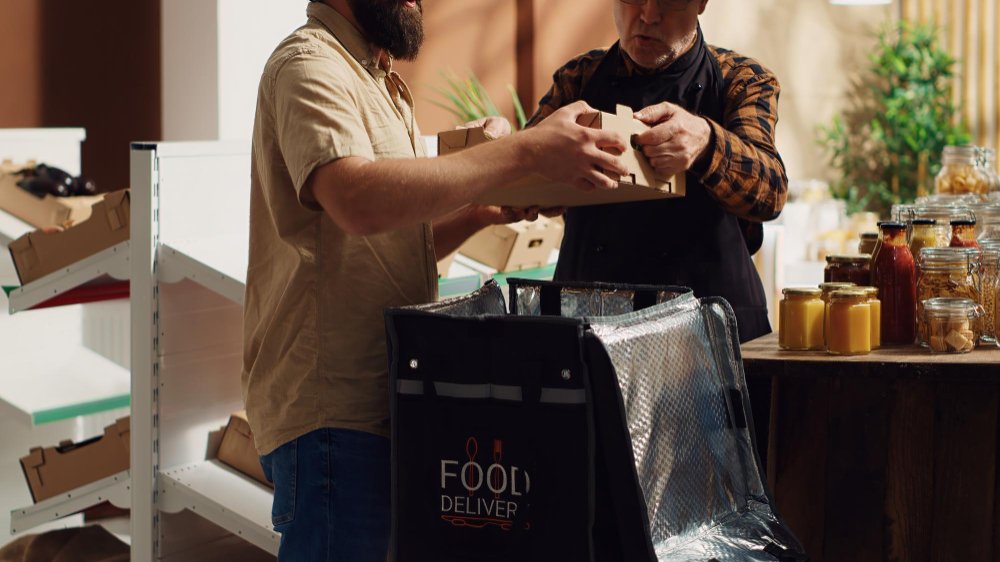
- Restaurant + delivery + catering
- Retail store + e-commerce + wholesale
- Service business + online courses
This diversification strengthens financial stability.
2. Strong Digital Presence
Businesses are investing in:
- Social media marketing
- E-commerce platforms
- Online branding
Platforms like https://confemedia.com/ and https://confe.io/ are helping businesses improve their digital visibility, reach targeted audiences, and scale beyond their local markets.
3. Community-Based Growth
Local businesses are focusing on:
- Building loyal customer bases
- Engaging with local communities
- Creating culturally relevant brands
This approach ensures long-term sustainability.
Industries Where Lean Businesses Are Thriving
Top Performing Sectors in 2026
- Food and beverage
- Beauty and personal care
- E-commerce and retail
- Health and wellness
- Local service businesses
These industries offer strong opportunities for lean businesses due to consistent demand and scalability.
The Future of Local and Lean Businesses in the U.S.
The outlook for lean and local businesses remains positive.
Key Future Trends
- Increased adoption of AI and automation
- Growth of niche and cultural brands
- Expansion of digital-first business models
- Greater access to funding and resources
As these trends continue, local and lean businesses will play an even bigger role in shaping the U.S. economy.
Lean, Local, and Built for the Future
In 2026, lean and local businesses represent the backbone of the American economy. While they operate under financial pressure and competitive challenges, their adaptability, efficiency, and community focus allow them to thrive.
From small food businesses in Texas to digital brands in California and service providers in Florida, these businesses are proving that success does not require scale—it requires strategy.
The future of entrepreneurship in the United States is not just about big corporations. It is about local businesses that combine smart operations with strong community connections and digital innovation.
FAQs
1. What are local and lean businesses?
They are small businesses with low overhead, small teams, and flexible operations focused on efficiency and profitability.
2. How much do local businesses earn in the U.S.?
Most earn under $100,000 annually, while some generate $300,000–$1 million depending on the industry.
3. Why are lean businesses growing in 2026?
Because of digital tools, lower costs, and increasing demand for local and authentic products.
4. What industries are best for lean businesses?
Food, beauty, e-commerce, wellness, and local services are top-performing sectors.
5. What challenges do local businesses face?
Rising costs, competition, customer acquisition, and cash flow issues.