


For startups, every dollar matters. Choosing the right banking solution can directly impact your cash flow, operational efficiency, and long-term growth. That’s why digital banking for startups with no fees has become a top priority in 2026. Founders are moving away from traditional banks with high maintenance costs and toward online-first platforms that eliminate unnecessary expenses.
Here you’ll learn how no-fee digital banking works, why it matters, and how to choose the best option for your startup.
What Is Digital Banking for Startups?
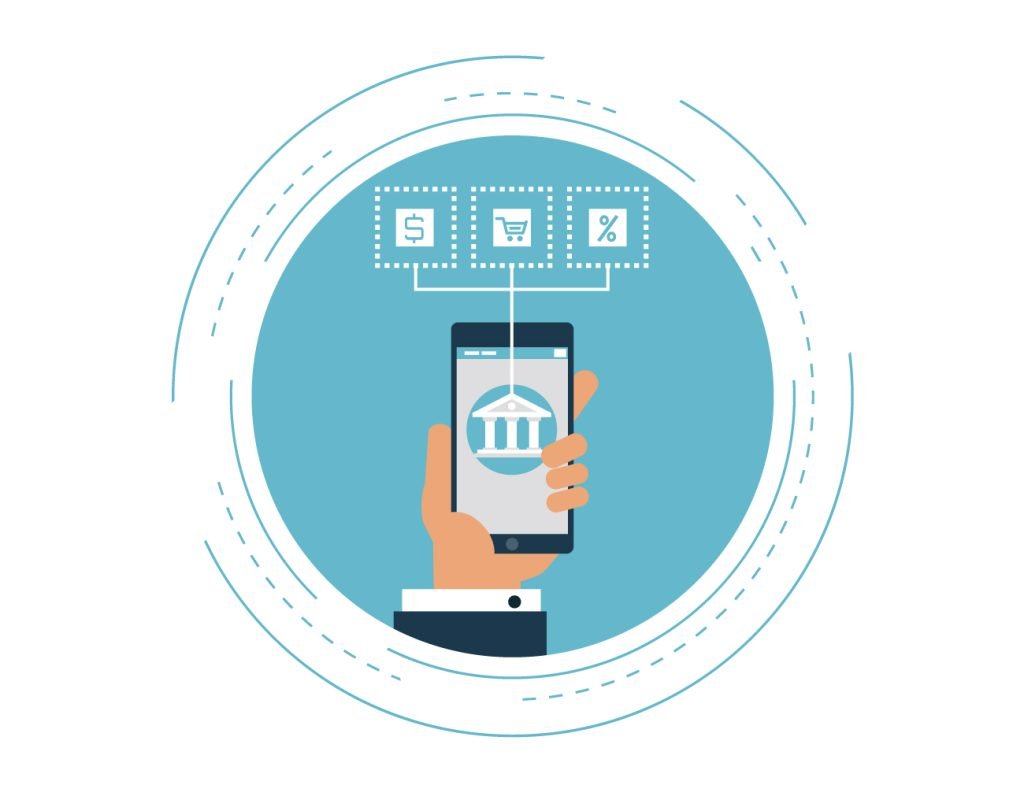
Digital banking refers to financial platforms that operate entirely online without physical branches. These platforms are designed to offer faster, cheaper, and more flexible banking services—especially for startups and small businesses.
Unlike traditional banks, digital banks focus on:
- Cost reduction
- Automation
- Seamless integrations
- Real-time financial management
For startups, this means fewer fees and more control over finances.
Why No-Fee Banking Matters for Startups
Startups operate under tight budgets. Every recurring cost reduces your runway.
Key Benefits of No-Fee Digital Banking
1. Lower Operating Costs
No monthly maintenance fees or hidden charges mean you keep more capital in your business.
2. Better Cash Flow Management
With fewer deductions, your available cash remains stable and predictable.
3. Easier Scaling
As your business grows, you won’t face increasing banking costs.
4. Transparent Pricing
Most digital banks clearly outline any optional charges, avoiding surprises.
Common Fees You Avoid With Digital Banking
Traditional banks often charge:
- Monthly account maintenance fees
- Minimum balance penalties
- Wire transfer fees
- Overdraft fees
- ATM usage fees
With digital banking for startups with no fees, many of these costs are eliminated or significantly reduced.
Key Features to Look for in No-Fee Digital Banking
Not all “no-fee” banks are truly free. You need to evaluate the full feature set.
1. Zero Monthly Fees
Ensure there are no hidden subscription costs.
2. Free Transactions
Look for unlimited or low-cost transfers and payments.
3. Accounting Integrations
Integration with tools like QuickBooks or Xero simplifies bookkeeping.
4. Multi-User Access
Allow team members to manage finances securely.
5. Expense Tracking
Real-time tracking helps you control spending.
6. Fast Account Setup
Many digital banks allow account creation within minutes.
Pros and Cons of No-Fee Digital Banking
Advantages
- No monthly fees
- Faster transactions
- Easy setup and access
- Automation and integrations
- Ideal for online businesses
Disadvantages
- Limited cash deposit options
- Fewer lending opportunities
- No physical branch support
Best Use Cases for Startups
Digital banking for startups with no fees is ideal for:
1. SaaS Startups
Manage subscriptions, payments, and global transactions efficiently.
2. E-commerce Businesses
Handle online payments and automate financial tracking.
3. Freelancers and Agencies
Receive payments and manage expenses without overhead costs.
4. Remote Teams
Enable seamless financial operations across locations.
When No-Fee Digital Banking May Not Be Enough
Despite the benefits, there are situations where it may fall short.
You may need a traditional bank if:
- Your business handles cash regularly
- You require large business loans
- You prefer in-person banking support
In such cases, a hybrid approach works best.
The Hybrid Strategy: Smart Banking for Startups
Many successful startups combine digital and traditional banking.
Example Strategy:
- Use digital banking for:
- Daily transactions
- Expense tracking
- Online payments
- Use traditional banking for:
- Loans and credit lines
- Cash deposits
- Financial advisory
This approach balances cost savings with financial flexibility.
How to Choose the Right No-Fee Digital Bank
When selecting a platform, consider:
1. Your Business Model
Online businesses benefit most from digital banking.
2. Transaction Volume
Ensure the bank supports your payment needs without limits.
3. Growth Plans
Choose a platform that can scale with your business.
4. Integration Needs
Check compatibility with your existing tools.
5. Security Features
Look for encryption, fraud detection, and account protection.
Real-World Example
A startup marketing agency switches from a traditional bank charging monthly fees to a no-fee digital platform.
Results:
- Saves hundreds of dollars annually
- Automates expense tracking
- Improves cash flow visibility
- Reduces administrative workload
This allows the team to focus more on growth instead of financial management.
Final Verdict
Digital banking for startups with no fees is not just a trend—it’s a smarter financial strategy.
- It reduces costs
- Improves efficiency
- Supports fast-moving businesses
However, the best approach depends on your needs. For most startups, combining digital services with selective traditional services offers the best results.
FAQs
Is digital banking really free for startups?
Many platforms offer zero monthly fees, but always check for optional or transaction-based charges.
Can startups rely entirely on digital bank?
Yes, especially if the business operates online and doesn’t handle cash.
Are no-fee digital banks safe?
Yes. Most use advanced security systems similar to traditional banks.
What is the biggest advantage?
Cost savings combined with speed and automation.
Should startups use both digital and traditional banking?
In many cases, yes. A hybrid strategy provides flexibility and long-term benefits.
Conclusion
For startups looking to maximize efficiency and minimize costs, digital banking for startups with no fees is one of the smartest financial decisions in 2026.
By choosing the right platform and strategy, you can protect your capital, streamline operations, and position your business for sustainable growth.