

Why Most Small Businesses Fail at Digital Marketing in 2026
Thousands of small businesses launch every year in the United States. Most of them now understand one thing clearly: without online visibility, growth becomes extremely difficult. Yet despite spending money on websites, ads, social media, and SEO, many businesses still fail to generate leads or sales. The problem is not digital marketing itself.
The problem is how small businesses approach it.
In 2026, competition is more aggressive than ever. Consumers are overloaded with content, advertising costs are increasing, and algorithms change constantly. Businesses that rely on outdated tactics are falling behind fast.
This article breaks down why most companies struggle with small business digital marketing, the biggest mistakes destroying growth, and what successful businesses are doing differently.
The Digital Marketing Gap Between Successful and Struggling Businesses

One major difference between growing businesses and struggling businesses is online visibility.
Businesses that consistently appear in Google search results, local listings, social feeds, and online discussions attract customers daily. Businesses without visibility slowly disappear behind competitors.
This is why many companies are now using platforms like Confemedia to improve SEO visibility, content strategy, branding, and digital reach. For small businesses competing in crowded markets, visibility has become one of the most valuable business assets.
At the same time, digital networking and business discovery platforms like Confe.io are helping brands expand audience reach, build professional presence, and create stronger online engagement.
The businesses adapting to these digital ecosystems are growing significantly faster than companies relying only on traditional marketing.
Mistake #1: Treating Marketing as an Expense Instead of an Investment
One of the biggest reasons small businesses fail online is mindset.
Many business owners view marketing as a cost instead of a growth engine.
They spend thousands on inventory, office space, equipment, or staff but hesitate to invest in SEO, content, or advertising.
Then they wonder why nobody finds their business.
The reality is simple:
A business without visibility struggles to grow regardless of product quality.
Successful companies understand that marketing creates customer flow. Without consistent customer acquisition, revenue eventually stalls.
Mistake #2: Having No Clear Marketing Strategy
Most small businesses post random content online without any actual strategy.
They upload occasional social media posts, boost random ads, or publish inconsistent blogs hoping something works.
That approach rarely succeeds.
Effective small business digital marketing requires structure.
Businesses need:
- Clear target audience
- Defined brand positioning
- Consistent messaging
- Content strategy
- SEO strategy
- Lead generation system
- Conversion tracking
Without a system, marketing becomes guessing.
And guessing wastes money.
Mistake #3: Ignoring SEO Completely
Search engine optimization remains one of the most powerful long-term marketing channels in 2026.
Yet many small businesses still ignore it.
They rely entirely on paid ads or social media without realizing that search traffic often converts better because the customer already has buying intent.
For example:
A person searching “best accountant near me” is already looking to hire someone.
A random social media viewer may not be interested at all.
Businesses investing in SEO continue generating traffic long after content is published.
That is why companies focusing on small business digital marketing through SEO often outperform businesses dependent only on advertising.
Mistake #4: Weak or Outdated Websites
Many small business websites still look outdated, slow, or confusing.
This destroys trust immediately.
In 2026, customers judge credibility within seconds.
If a website loads slowly, looks unprofessional, or fails on mobile devices, users leave quickly.
Common website problems include:
- Slow loading speed
- Poor mobile optimization
- Weak design
- Confusing navigation
- No clear call-to-action
- Low-quality content
- Broken pages
A website should function as a sales tool—not just an online brochure.
Businesses investing in user experience consistently generate more leads and conversions.
Mistake #5: Trying to Market to Everyone

Another major problem in small business digital marketing is lack of targeting.
Many businesses try to attract everyone.
That usually attracts nobody.
Successful marketing becomes stronger when messaging is specific.
For example:
A generic fitness brand competes with thousands of businesses.
But a fitness business targeting busy Latino fathers over 40 creates a clearer identity and stronger emotional connection.
Niche businesses often grow faster because their messaging feels more relevant and personal.
Mistake #6: Inconsistent Content Creation
Digital marketing rewards consistency.
Most businesses quit too early.
They post for a few weeks, run ads briefly, or upload several blogs before stopping completely because results are not instant.
But online growth compounds over time.
One blog may not generate much traffic.
Fifty optimized blogs can transform a business.
One social media post may fail.
Consistent posting builds brand familiarity and trust.
The businesses succeeding in small business digital marketing are usually the ones staying active long-term while competitors disappear.
Mistake #7: Depending Entirely on Social Media
Social media is important, but relying only on platforms like Instagram, TikTok, or Facebook is risky.
Algorithms change constantly.
Reach can collapse overnight.
Accounts can be suspended.
Businesses that depend entirely on social media lose control over their audience.
Smart businesses diversify traffic sources through:
- SEO
- Email marketing
- Paid advertising
- YouTube
- Google Business Profile
- Content marketing
- Direct customer lists
Owning your audience matters more than renting attention from algorithms.
Mistake #8: No Understanding of Customer Psychology
Many businesses focus too much on products and not enough on customer emotions.
Customers rarely buy based on logic alone.
They buy solutions, convenience, status, trust, or emotional relief.
Strong small business digital marketing understands psychology.
For example:
People do not buy skincare products only for ingredients.
They buy confidence.
People do not hire accountants only for tax filing.
They buy peace of mind.
Businesses that understand emotional triggers create stronger marketing campaigns.
Mistake #9: Poor Local SEO Optimization
Local businesses especially struggle because they ignore local search optimization.
This is a massive mistake.
Millions of consumers search terms like:
- “restaurant near me”
- “best roofing company in Dallas”
- “cheap auto repair Miami”
- “hair salon near me”
Businesses without optimized local presence lose valuable traffic daily.
Strong local SEO includes:
- Google Business Profile optimization
- Local keywords
- Customer reviews
- Location pages
- Consistent business information
- Local backlinks
For local companies, visibility inside Google Maps alone can dramatically increase leads.
Mistake #10: Not Tracking Data
Many small businesses have no idea where leads come from.
They spend money on ads without measuring results.
That creates blind decision-making.
Modern small business digital marketing depends heavily on analytics.
Businesses need to track:
- Website traffic
- Conversion rates
- Ad performance
- Customer acquisition cost
- Bounce rates
- Email open rates
- Search rankings
Data reveals what works and what wastes money.
Without tracking, businesses continue repeating ineffective strategies.
Why AI Is Changing Digital Marketing Completely
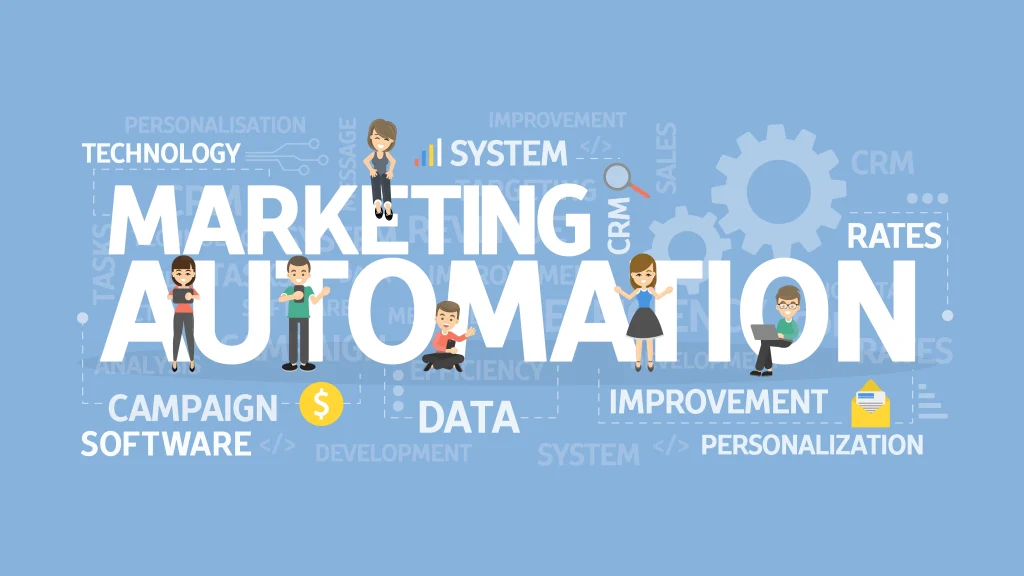
Artificial intelligence is reshaping online marketing faster than most businesses expected.
In 2026, AI tools help businesses:
- Write content
- Generate ads
- Analyze customer behavior
- Automate emails
- Improve SEO
- Handle customer service
- Create product recommendations
Businesses adapting to AI are reducing costs while increasing efficiency.
Businesses ignoring AI are falling behind competitors who produce more content faster and market more efficiently.
The future of small business digital marketing will heavily depend on AI-assisted workflows.
The Rising Cost of Paid Advertising
Paid advertising has become significantly more expensive.
Cost-per-click rates continue increasing across Google, Facebook, Instagram, and TikTok.
Small businesses now face stronger competition from larger brands with bigger budgets.
That means businesses relying only on ads often struggle to maintain profitability.
This is why organic marketing channels like SEO and content marketing are becoming more important again.
Organic traffic compounds over time while paid ads stop immediately once spending ends.
Why Content Marketing Still Wins
Content remains one of the most effective long-term marketing strategies.
Blogs, videos, guides, and educational content build authority while attracting traffic continuously.
Consumers trust businesses that educate instead of constantly selling.
For example:
A roofing company publishing storm repair guides builds more trust than one posting only advertisements.
A financial consultant explaining tax-saving strategies attracts higher-quality leads.
Content positions businesses as experts.
That authority directly improves conversions.
How Smart Businesses Are Winning in 2026
The businesses growing fastest today follow several common patterns.
They focus heavily on visibility, publish content consistently.
Also build strong SEO foundations and use AI tools strategically.
They collect customer data and optimize websites for conversion.
Most importantly, they treat digital marketing as a long-term system—not a quick fix.
That mindset creates sustainable growth.
The Importance of Brand Trust
Trust is becoming one of the biggest competitive advantages online.
Consumers are overwhelmed with scams, fake ads, and low-quality businesses.
Strong branding helps businesses stand out.
Trust grows through:
- Professional websites
- Consistent branding
- Authentic reviews
- Educational content
- Transparent communication
- Active social proof
Businesses that appear credible convert more visitors into customers.
In many industries, trust matters more than price.
How Small Businesses Can Fix Their Marketing Problems
Most businesses do not need more random tactics.
They need a clear system.
A strong small business digital marketing strategy usually includes:
1. SEO Foundation
Build long-term search traffic through optimized content and local SEO.
2. High-Quality Website
Fast, mobile-friendly, conversion-focused design.
3. Consistent Content
Blogs, videos, social posts, and educational resources.
4. Email Marketing
Own customer relationships instead of depending entirely on algorithms.
5. AI Integration
Use automation to improve efficiency and scale content production.
6. Analytics and Tracking
Measure everything and improve continuously.
The Businesses Most Likely to Succeed Online
Certain businesses are adapting especially well to digital growth.
These include:
- E-commerce brands
- Personal brands
- Consulting businesses
- Service companies
- Healthcare practices
- Financial services
- Educational businesses
- Niche local businesses
The common factor is specialization combined with strong online visibility.
The Future of Small Business Digital Marketing
Digital competition will become even more intense over the next few years.
Businesses that stay invisible online will struggle harder each year.
The winners will be companies that:
- Adapt quickly
- Build strong digital ecosystems
- Use AI efficiently
- Create trust
- Focus on customer experience
- Invest consistently in marketing
The era of relying only on word-of-mouth is fading.
Digital visibility now determines growth potential.
Conclusion
Most businesses fail at small business digital marketing because they approach it without strategy, consistency, or long-term thinking.
They rely on random tactics instead of building systems.
They ignore SEO, underestimate branding, neglect customer psychology, and quit too early.
Meanwhile, successful businesses treat marketing as a core business function.
They build visibility daily.
They invest in content, trust, SEO, and customer relationships.
In 2026, digital marketing is no longer optional for small businesses.
It is survival infrastructure.
Businesses that adapt will continue growing.
Businesses that ignore digital visibility will become increasingly difficult to find—and eventually difficult to sustain.
FAQs
Why do most small businesses fail at digital marketing?
Because they lack strategy, consistency, SEO, and proper audience targeting.
Is SEO still important in 2026?
Yes. SEO remains one of the highest long-term ROI marketing channels.
What is the biggest mistake small businesses make online?
Treating marketing as a short-term expense instead of a long-term investment.
Can AI replace digital marketers?
AI can automate many tasks, but strategy, creativity, and branding still require human direction.
What marketing channel works best for small businesses?
A combination of SEO, content marketing, email marketing, and local SEO usually performs best long-term.