
How Flagstaff’s residential expansion could stabilize commercial real estate.
In a mountain town where land constraints, high living costs, and business turnover make for a notoriously difficult commercial climate, an unusual variable is entering the equation: a wave of new housing.
With thousands of multi-family, student and residential units recently completed or currently in development, including Canyon del Rio, Timber Sky and Lake Mary Housing, Flagstaff is seeing a significant increase in rental housing inventory. Residential vacancy rates have risen to between 12% and 15%, giving renters more options and greater flexibility.
Easing the Labor Bottleneck
Historically, one of the biggest hurdles for Flagstaff business owners hasn’t been lack of consumer demand, but rather the cost of labor driven by the cost of living. With median household incomes around $48,000 and home prices remaining elevated, local employers regularly struggle to recruit and retain staff.
When housing is scarce, businesses are forced to pay higher wages just to compete for talent, squeezed further by high commercial rents and rising borrowing costs.
“Cost of money went up and took value away from commercial real estate,” said Allen Ginsberg, with the Ginsberg Group @ RE/MAX FINE PROPERTIES in Flagstaff. “When commercial mortgages went from 3.5% or 4% up to 7% or 7.5%, asset values dropped. Higher cap rates mean lower property values, making it challenging for investors to find a good rate of return.”
Despite those financial headwinds, economic leaders see the housing surge as essential infrastructure for local businesses. The big housing developments and new projects along John Wesley Powell are designed to catch up on long-standing shortages.
“We have a strong workforce and are working to attract more talent,” said City of Flagstaff Community Investment Director David McIntire. “Now we will have more housing available for them.”
By providing practical places for employees to live, the housing expansion removes a major constraint on local businesses trying to maintain consistent operating hours and stay open.
The ‘Rooftops First’ Ripple Effect on Retail
Traditional economic development follows a simple principle: retail follows rooftops.
Flagstaff’s high retail turnover, where restaurants and storefronts open and close in frequent cycles, is often blamed on seasonal tourism swings. However, year-round residential density provides local businesses with something tourism cannot: a reliable, daily customer base.
More residents living along major corridors means more everyday consumer spending kept within city limits, rather than lost to online shopping or businesses in the Phoenix area.
Where the Market Still Faces Friction
While added housing provides crucial workforce support, local experts caution it isn’t a cure-all across every sector.
Office Vacancies: Residential growth doesn’t eliminate the structural decline in office demand, which is largely restricted to small, 1,000-square-foot footprints for local owner-users rather than $2 million multi-tenant buildings.
Geographic Reality: Flagstaff remains land-locked by surrounding public lands, meaning commercial expansion will rely heavily on adaptive reuse and infill rather than sprawling new commercial parks.
McIntire further explained the goal isn’t rapid expansion, but economic sustainability. “We want to keep dollars local and have our people employed,” he said. “When you build a strong enough housing and economic base, the right retail and services follow.” FBN
By Mary Parra, FBN
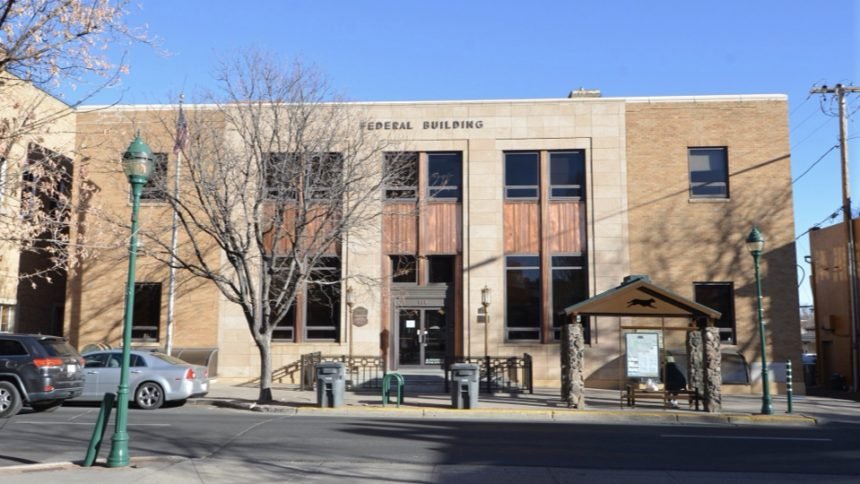
Courtesy Photo: Economic development leaders are optimistic that available office space, including in downtown Flagstaff’s Federal Building, along with new housing developments will help create a more affordable business environment and attract new talent.