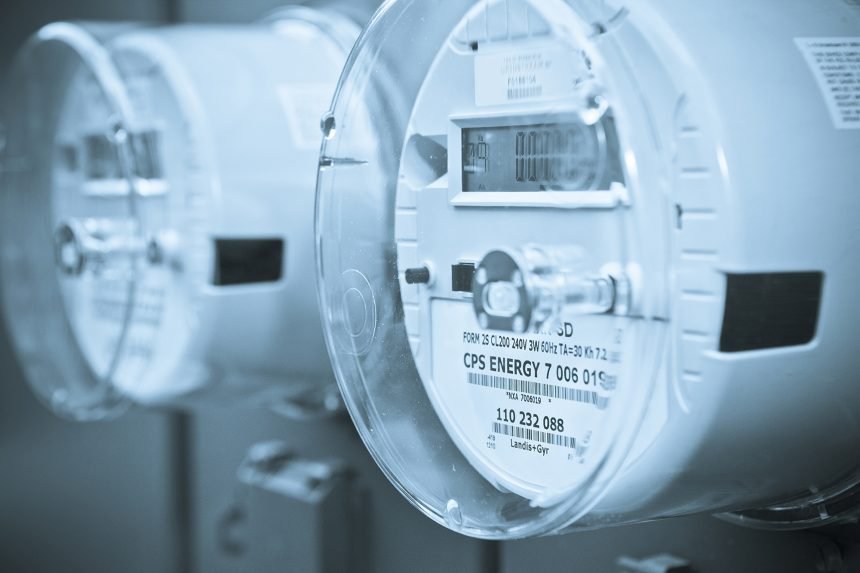
CPS Energy is a city-owned nonprofit, which means revenues are returned to the community and lower rates are a priority, our guest columnist writes.

Gov. Greg Abbott recently announced his intent to introduce a plan to require areas served by municipally owned electric utilities, such as CPS Energy, to be opened to retail competition.

He made claims regarding our electricity rates and the general fund transfer that CPS Energy provides to the city of San Antonio as its owner. While Abbott did not share details of the plan, as chairman of CPS Energy’s board, I would like this opportunity to provide greater context and share the benefits of CPS Energy as a municipally owned electric utility, or MOU.
Article continues below this ad
In 1999, Texas passed legislation to deregulate the electric utility industry.
San Antonio, along with 71 other communities, exercised its option to retain its MOU business model. A key facet of this model is that CPS Energy is not-for-profit. The utility exists solely to generate, transmit and provide reliable, affordable and sustainable power to customers in our community.
We do all of this while maintaining the lowest combined electric and natural gas rates in Texas.
CPS Energy is reflective of the community we serve, led by an independent board of trustees, bound to make decisions in the best interests of our customers.
Article continues below this ad
From establishing rates, to planning the future of our generation portfolio, the MOU model ensures a transparent, collaborative approach with our customers.
Further, it allows us to support myriad customer assistance programs and offerings that are unmatched in the industry.
The governor offered few justifications for his proposal to force this change to the municipal model, starting with breaking up the CPS Energy “monopoly” will result in drops in costs. He compared CPS Energy’s residential rate of 12 cents per kilowatt hour to supposed 6 cent rates in Houston.
But a search of Houston prices this past week showed rates of 12.6 cents or higher, comparable to CPS Energy. Perhaps lower rates exist, but consumers must be wary of fine print, such as introductory offers that quickly expire. These companies are in the business of making profit.
Article continues below this ad
The governor criticized the revenues that CPS Energy provides to the city of San Antonio via the general fund transfer as a return on its investment. The criticism implies that CPS Energy is incentivized to charge customers irresponsibly to fund unnecessary city programs.
In contrast, the funds support a spectrum of crucial services directly benefiting customers and businesses. Furthermore, that 14% is in lieu of other fees that a for-profit utility would normally pay, such as taxes, franchise fees and rights of way.
If San Antonio were opened to retail competition, the dollars paid through the general fund transfer would likely go to private investors outside of our community and provide no return benefit.
A final consideration is what our community loses if CPS Energy is forced into a competitive, unbundled market: local control. We recently updated our generation plan, meeting new energy demands while respecting our customers’ priorities of reliability, affordability and sustainability.
Article continues below this ad
That strategic planning is premised on our integrated model and commitment to making sound investments and decisions on behalf of our customers for decades to come.
CPS Energy’s not-for-profit, municipal model ensures the needs of the community are placed above the pursuit of private investor profit.
Francine S. Romero is the chair of the CPS Energy Board of Trustees.