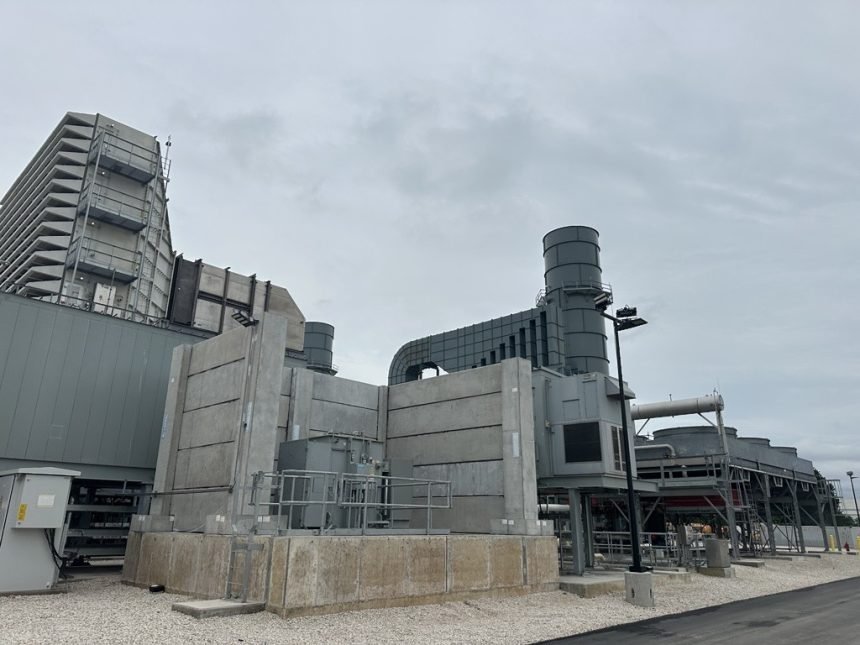
NRG Energy has opened its first new power plant in over a decade, funded in part by a loan from the state’s Texas Energy Fund.
So far, NRG has received more than $1 billion in taxpayer-funded loans through the Texas Energy Fund.
The $10 billion fund was established through a combination of state legislation and a voter-approved constitutional election in 2023. The fund was created to improve power grid reliability. Most of the funds have been dedicated to building natural gas plants, according to the Houston Chronicle,
NRG’s new 456-megawatt facility can power more than 100,000 Texas homes during peak demand and includes two natural gas generation units at the company’s TH Wharton Generating Station in northwest Harris County.
Matthew Pistner, president of NRG Wholesale, said the new power plant will provide energy to the grid during peak demand hours. The facility is able to start generating electricity within 30 minutes and is expected to operate about 1-2 hours per day, on average.
“If something happens and the day is a little bit stronger in terms of temperature, or a cold front comes in a little bit faster, these units get called on to be there for the grid,” Pistner said.
According to a news release from Texas Gov. Greg Abbott, the new power plant was projected to cost less than $360 million. The Public Utility Commission of Texas granted NRG a $216 million loan, with a 3% interest rate, through the Texas Energy Fund. The loan was expected to cover about 60% of the project’s cost.
“Texas is on pace to build the reliable power generation needed to support our high-growth economy and ensure Texans have the electricity they need every day,” Abbott said in the news release. “These new power generation units are a great addition to our energy network that powers Texans’ daily lives. I congratulate NRG Energy for their new natural gas power generation units that will help keep Texas’ future bright for generations to come.”
NRG’s new power plant joins the grid at a time when Texas is facing potential record-breaking energy demand from an influx of data centers and other large energy consumers looking to come to the state.
“Will these plants run more with data centers coming on? I think time will tell,” Pistner said.