Katie Lockwood, a pediatrician at the Children’s Hospital of Philadelphia and a mother of two children, ages 12 and 15, said she and her children are sad and disappointed at the news that the museum will close.
“We treated the museum almost like an extension of our backyard, so it was a go-to place anytime school wasn’t in session or weekends,” Lockwood said. “We love to go there all the time. We went to many birthday parties there, and my kids, even though they’re teenagers now, they still love going. We went twice last year.”
She said her children usually go straight to the Outside In exhibit where they can learn about and handle animals like tortoises, snakes and spiders, then walk through the rest of the museum from there.
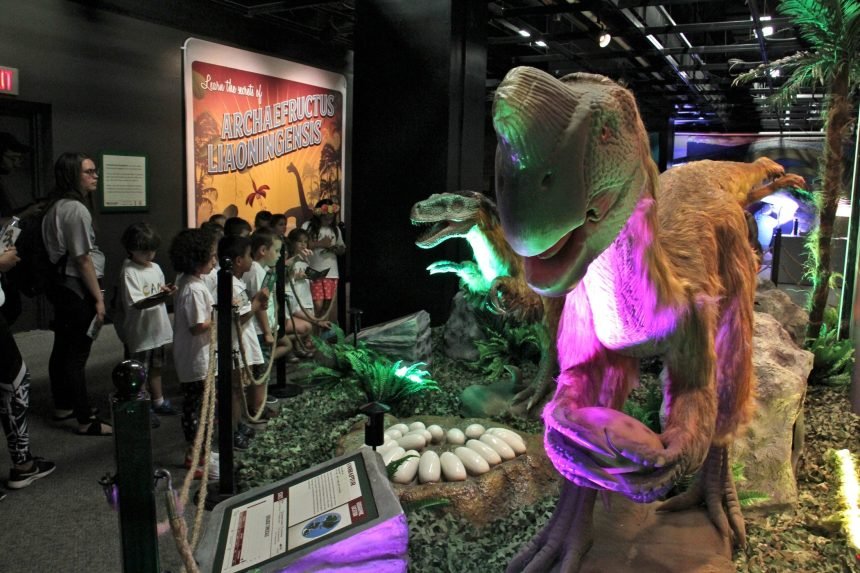
“We actually have a photo that we recreate almost every time we’re there of holding my daughter up into the mouth of a T-Rex so it looks like the T-Rex is eating her, and then we’ve recreated that as recently as last year when she was 11,” Lockwood said.
She said that while she sees the museum as a valuable resource for people to learn about science and enjoys that the museum is not very crowded, she has noticed fewer visitors there lately.
“In the recent years that I’ve been there, it’s been especially quiet,” Lockwood said. “I think sometimes maybe it doesn’t get as much publicity as other museums, so some people may not know about it, but I think most people I know who have small children have been there at least once and view it fondly.”
Last fall, the museum cut back its hours to only be open on the weekends, citing federal funding cuts and a drop in the number of visitors since the COVID-19 pandemic. In 2011, the Academy and museum merged with Drexel University, in part because of finances.
When Betancourt still worked for the Academy, she said she felt the squeeze for resources. She said there would be no new hires to replace curators who left, and a beloved butterfly exhibit closed during the pandemic and never reopened.
However, she also said that new leadership and support could bring the museum back, citing recent fundraising successes at the Yale Peabody Museum, the American Museum of Natural History and the Natural History Museums of Los Angeles County La Brea Tar Pits.
“I do not accept this closure plan as being the end of the Academy of Natural Science’s Museum’s story. Strong leadership and benefactors can reignite the Academy’s precious wildlife museum and boost it into a thriving, must-see institution in the Philadelphia area,” she said.
Betancourt said the Academy building is very old and has significant and expensive maintenance issues that cannot be overlooked, but she did not see enough of an explanation from museum leaders about how they tried to save the museum before deciding to close it.
In a statement, Drexel and the Academy said they recognize this is an emotional time for people who care about the academy, and that they did not make the decision to close the museum lightly. They say they are “committed to developing a sustainable long-term model that preserves the Academy’s scientific research enterprise and creates new, meaningful opportunities for continued public engagement and display of these natural history collections and the scientific discoveries they make possible.”