The Pew Research Center conducted a survey in October 2025 where 61% of Latinos say being “Hispanic” or Latino is extremely important in their identity. For 33%, they said it hurts their ability to get ahead a lot or a little and 26% said it helps a lot or a little. The largest percentage, at 40%, came from those who say it makes no difference.
About a third (34%) said they personally experienced discrimination or were treated unfairly in the 12 months before the survey because of their Latino background. 29% said they were discriminated against for speaking Spanish in public, 26% were told to go back to their country, while 25% were called offensive names for being Latino.
A majority (54%) said they have not experienced any discrimination and about a third (34%) say that someone expressed support for them being Latino.
The data comes from the National Survey of Latinos, conducted Oct. 6-16, 2025, among 4,923 Latino adults in English and Spanish.
Along political party lines, 57% of Latino Trump supporters said being Latino makes no difference, while 27% said it helps, 15% said it hurts and 42% said being Latino is important to them. For 39% of Latino supporters of Kamala Harris, their Latino identity hurts them, 38% said it makes no difference and 23% said it helps, while 69% said it’s important to be Latino.
Latino identity is more important to Latino immigrants than U.S.-born Latinos, 71% compared to 54%.
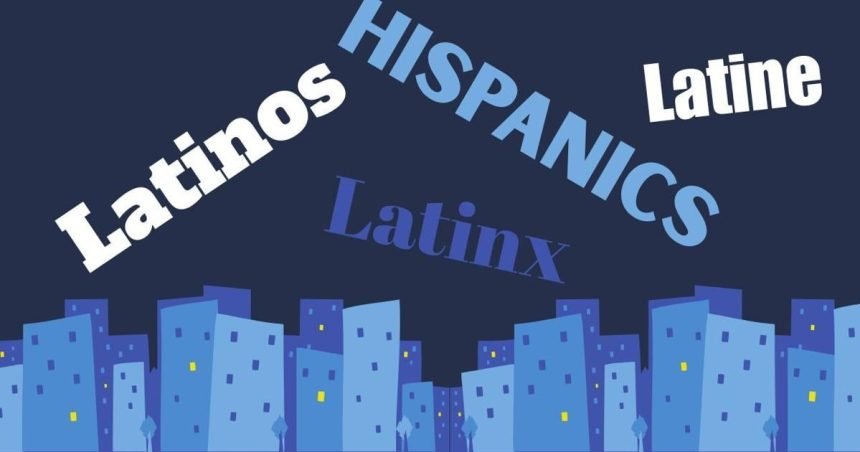
According to the survey, more than half prefer the term Hispanic (54%) to Latino (30%) and only 1% prefer Latinx or Latine. The remaining 14% said they have no preference for any of the pan-ethnic terms to describe people with roots in Spanish-speaking countries.
The label they use most often includes their place of origin or heritage (35%) or combined with American (18%), for example, Dominican American.
At the time of the survey, about 42% of Latino adults were immigrants, 31% were second-generation Latinos and 24% were third- or higher-generation.