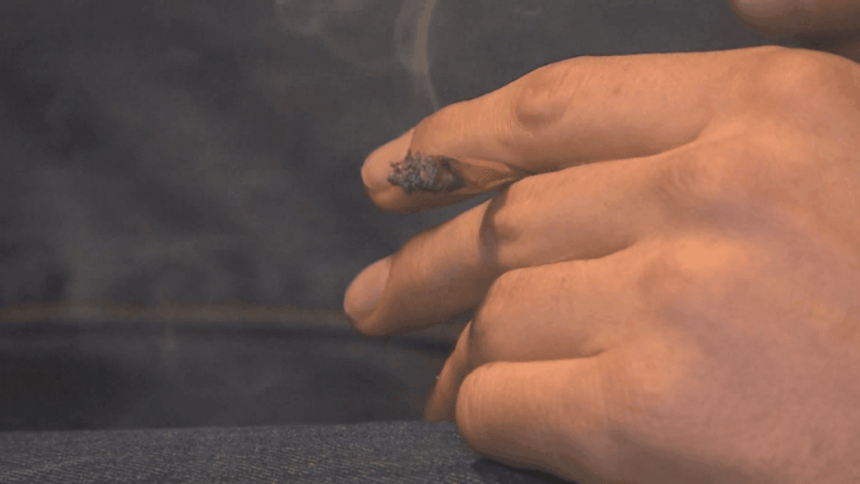
Five years after New York legalized recreational marijuana, the cannabis industry is booming, bringing in billions of dollars and expanding rapidly across the state.
According to state officials, New York’s legal cannabis market has generated more than $3.3 billion in retail sales, with more than 600 licensed dispensaries now operating statewide. On the five-year anniversary of legalization, leaders also marked a milestone: the opening of the state’s 600th dispensary, Pure Blossoms, in Manhattan.
But beyond the growth and the numbers, the impact of legalization isn’t one-size-fits-all.
What was once a largely underground market is now out in the open.
In Syracuse, The Higher Company, one of the city’s first licensed dispensaries, opened nearly two years ago with a focus on providing safe, regulated cannabis to the community.
Co-founder Mike Golden says the shift toward legal cannabis is noticeable.
“I think more and more people are choosing legal dispensaries people really appreciate knowing exactly what they’re getting and that it’s safer consumption,” Golden said.
As more dispensaries open and more products hit the shelves, the legal market continues to grow. State leaders say that growth is also paired with stronger enforcement, targeting illegal shops that operate outside regulations.
According to state and city officials, enforcement efforts have ramped up significantly. New York City’s Multi-Agency Task Force has padlocked 779 stores, while the New York State Cannabis Enforcement Task Force has shut down 230 locations statewide. In total, authorities say they’ve seized more than $63 million worth of illegal cannabis products.
Even with that progress, the illegal market hasn’t disappeared.
Unlicensed sellers can still be easier to access, and often cheaper, than regulated dispensaries, creating ongoing competition for the legal industry.
And for some people, legalization hasn’t changed much at all.
“Weed being legal hasn’t really changed anything for me,” said Syracuse resident David Ortiz. “My siblings smoke when they smoke and it didn’t really matter to us. Sometimes I do it with them and sometimes I don’t.”
His perspective reflects a broader reality: for those who already saw cannabis as a normal part of everyday life, legalization didn’t necessarily change behavior, it simply changed the rules around it.
Five years in, New York’s cannabis market is clearly expanding, bringing new business opportunities, increased access, and a more regulated system.
But whether that system is fully replacing the old one is still up for debate.
For some, legalization means safer products and more options.
For others, it’s business as usual.
As more dispensaries continue to open across the state, the next phase of legalization may depend on whether the legal market can fully take hold, or if it will continue to coexist with long-standing habits and alternative options.