The Heisman Trophy is supposed to go to the best player in college football. In reality, it often goes to the best player on one of the best teams.
That reality is what makes the path so difficult for LaNorris Sellers entering the 2026 season. His talent is not the issue. His situation is.
Sellers has already shown flashes of being a high-level quarterback. His ability to extend plays and impact the game with both his arm and his legs gives him the kind of profile that typically draws Heisman attention. That is why he entered last season with significant expectations.
Instead of building on that momentum, the season took a step back. The production dipped across the board, and the offense never found consistency. The numbers tell part of the story, but they do not fully explain what happened.
The bigger issue was everything around him. Poor offensive line play and inconsistent play calling limited what the offense could do. That matters because the Heisman Trophy is not won in difficult situations. It is won in systems that allow quarterbacks to thrive.
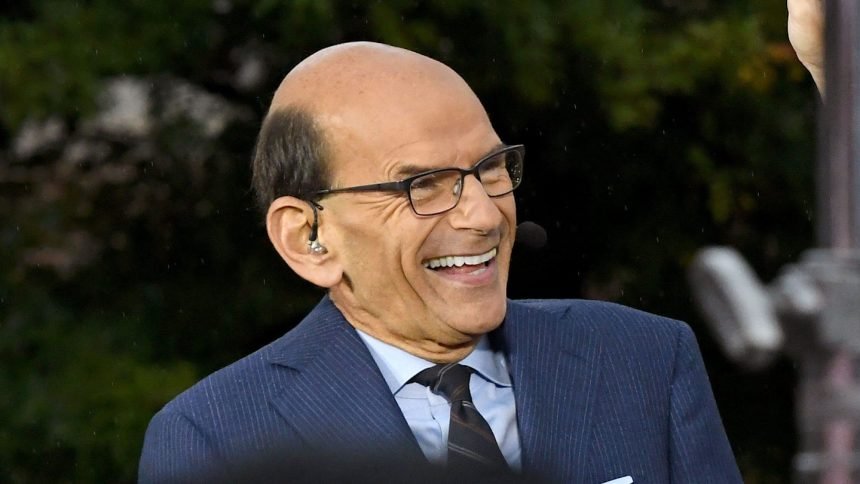
On “The Paul Finebaum Show,” the SEC Network analyst made it clear that the biggest obstacle for Sellers is not his ability. It is his team’s ceiling.
“I don’t think LaNorris can win the Heisman for the reason I’m about to answer,” Finebaum said. “I don’t think South Carolina will be in a high enough position… I think South Carolina could maybe get to eight wins… and there’s no way a four-loss team would go to the playoffs.”
That is the harsh truth of the Heisman race. It is not just about production. It is about visibility, relevance and playing in meaningful games late in the season.
If Sellers is leading a team that is hovering around .500 or even eight wins, he will not get the national attention needed to seriously contend for the award. Voters gravitate toward players on playoff teams or those in the national spotlight.
That does not mean it is impossible. It just means the margin for error is extremely small. Sellers would need to produce at an elite level week after week, putting up numbers that are impossible to ignore, regardless of team record.
The more realistic path is tied directly to team success. If the program takes a step forward and returns to something close to a nine-win season, the conversation changes. Winning creates exposure, and exposure fuels Heisman campaigns.
That is why this season feels like a turning point. Sellers has the ability to reenter the national conversation, but he needs the structure around him to improve. Quarterbacks do not win this award alone, even if they are the ones holding the trophy at the end.
If the offensive line improves and the system puts him in better positions, a bounce-back season is not just possible. It is expected. That would at least give him a chance to be part of the Heisman discussion.
If those issues remain, the outcome will be the same as last year. Solid play, limited recognition and no real path to the sport’s most prestigious award.
That is the reality of the Heisman race. Talent gets you noticed. Team success is what gets you invited.
 Add us as a preferred source on Google